Join our fixed departure treks.  4.9 of 528 reviews
 4.8 of 214 reviews
4.9 of 528 reviews 4.8 of 214 reviews 
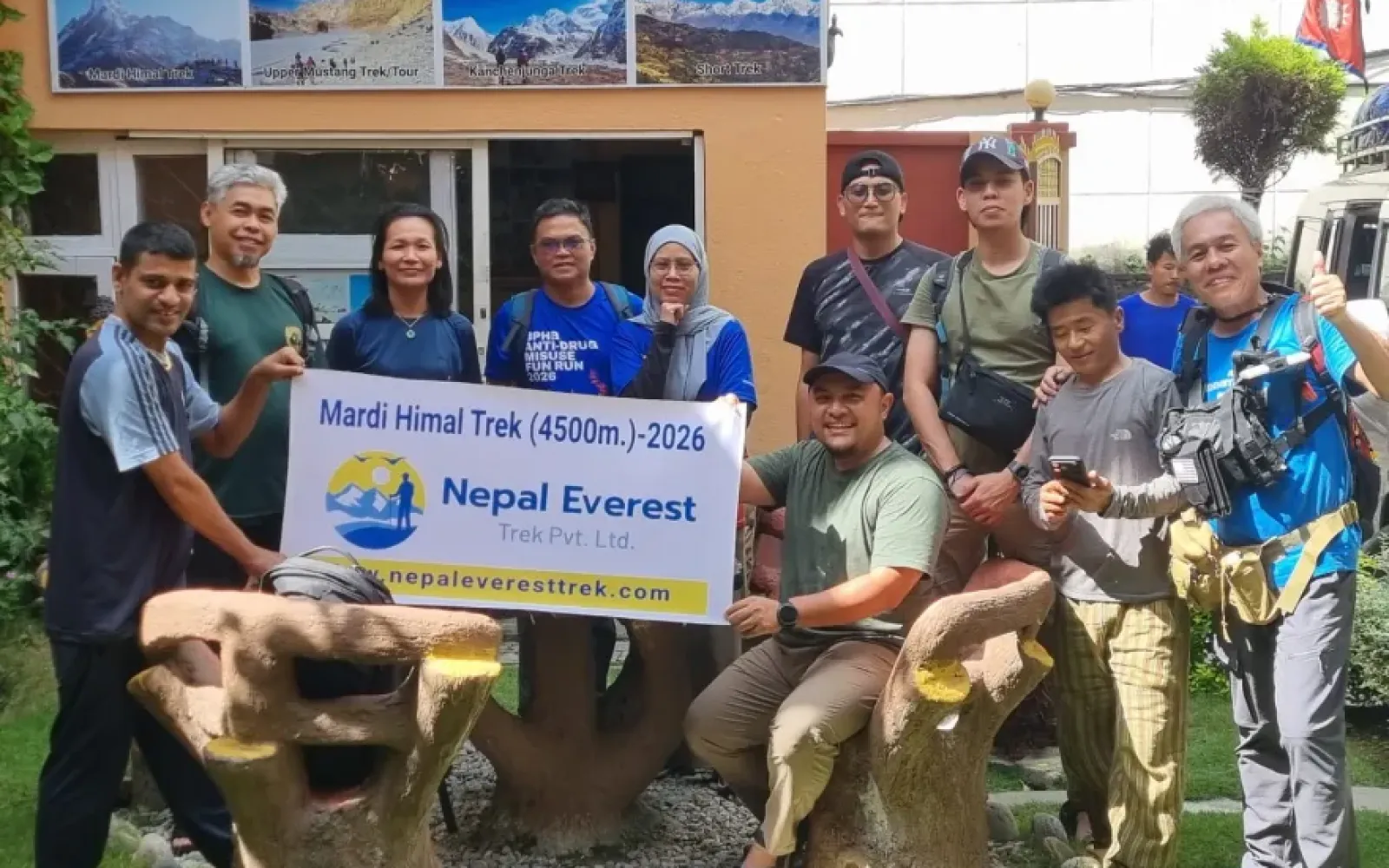
Mardi Himal Trekking is one of Nepal’s most rewarding short Himalayan adventures, combining peaceful forest trails, traditional mountain settlements, alpine landscapes, and spectacular views of the Annapurna range. The trek takes you from the vibrant Kathmandu Valley to Pokhara before ascending through lush rhododendron forests toward the high ridges beneath Mardi Himal. From the upper trail, trekkers can enjoy impressive panoramas of Mardi Himal, Machhapuchhre (Fishtail), Annapurna South, Hiunchuli, and surrounding Himalayan peaks.
Organized by Nepal Everest Trek, this 8-day itinerary is designed for travelers who want to experience the beauty of the Himalayas without committing to a very long trekking expedition. The route gradually gains altitude and includes scenic viewpoints, comfortable trekking stops, and a rewarding descent through the mountain landscape.
Mardi Himal Trekking is a relatively new and increasingly popular route in the Annapurna region. It offers an excellent combination of natural beauty and adventure while remaining less crowded than some of Nepal’s classic trekking routes. The trail passes through dense forests of rhododendron and oak before opening into high-altitude terrain with dramatic views of the Annapurna and Machhapuchhre ranges.
The journey begins with travel from Kathmandu to Pokhara, followed by a drive toward Kande. From there, the trekking section gradually climbs through Australian Camp and Forest Camp to High Camp. The final ascent toward Mardi View Point provides the trek’s most spectacular mountain scenery before the trail descends to Low Camp and Sidding.
Mardi Himal Trek is an ideal choice for travelers seeking a compact Himalayan experience with remarkable scenery. Unlike longer expeditions that require several weeks, this route allows trekkers to experience forests, alpine meadows, mountain ridges, and high Himalayan viewpoints within a manageable itinerary. The changing landscape throughout the trek makes each day different and memorable.
Another major attraction is the combination of accessibility and wilderness. Pokhara provides convenient access to the trekking area, while the trail itself leads into quieter mountain environments. With Nepal Everest Trek, travelers can enjoy a carefully organized itinerary with transportation, trekking arrangements, and route planning designed to make the journey comfortable and enjoyable.
The best seasons for Mardi Himal Trekking are generally spring and autumn. Spring, particularly from March to May, brings pleasant trekking conditions and colorful rhododendron forests. The clear mountain environment and blooming flowers create especially beautiful scenery along the lower and middle sections of the trail.
Autumn, from September to November, is another excellent period because the monsoon season has usually cleared the atmosphere. The skies are often clearer, visibility is better, and the mountain views can be spectacular. Winter can also provide beautiful snowy landscapes, but temperatures at higher elevations can be very cold. The monsoon months generally bring rain, clouds, and slippery trails.
The Mardi Himal route combines road travel and trekking to create an efficient 8-day Himalayan journey. After arriving in Kathmandu, the itinerary continues to Pokhara before reaching Kande, where the main trekking adventure begins. The trail passes through Australian Camp and Forest Camp before climbing toward Badal Danda and High Camp.
The highlight comes with the hike toward Mardi View Point at around 4,500m, where trekkers can admire the dramatic Himalayan panorama. After reaching the viewpoint, the route descends toward Low Camp and continues to Sidding. A drive then returns the group to Pokhara, followed by the journey back to Kathmandu before final departure.
The mountain scenery is the defining attraction of the Mardi Himal Trek. As the trail climbs above the forests, the views gradually become wider and more dramatic. From the higher sections, trekkers can see the distinctive summit of Machhapuchhre, along with Annapurna South, Hiunchuli, Mardi Himal, and other surrounding Himalayan peaks.
The ridge toward High Camp and Mardi View Point offers some of the most memorable scenery on the entire route. Early morning is particularly beautiful, when the first sunlight illuminates the snow-covered peaks. The combination of rugged ridges, deep valleys, alpine terrain, and towering mountains makes this trek an excellent choice for photographers and nature lovers.
With its combination of accessible trails, peaceful forests, dramatic ridges, and unforgettable Himalayan panoramas, Mardi Himal Trekking with Nepal Everest Trek offers a memorable way to discover the natural beauty of Nepal’s Annapurna region.
The Mardi Himal Trek offers an impressive variety of Himalayan landscapes, making it one of the most scenic short trekking adventures in Nepal. The trail begins in the lower hills around Pokhara and Kande, where green hills, terraced fields, and peaceful villages create a beautiful introduction to the journey. As trekkers ascend toward Forest Camp and High Camp, the landscape gradually changes from dense woodland to open alpine terrain and dramatic mountain ridges.
The higher sections provide breathtaking views of Mardi Himal, Machhapuchhre (Fishtail), Annapurna South, Hiunchuli, and other surrounding peaks. The ridge leading toward Mardi View Point is particularly spectacular, with expansive Himalayan panoramas and deep valleys stretching below. Nepal Everest Trek carefully organizes the journey so travelers can enjoy these changing landscapes while experiencing the natural beauty of the Annapurna region.
The Mardi Himal region is rich in Himalayan vegetation because the trail passes through several different ecological zones. Lower sections feature forests filled with rhododendron, oak, maple, and other native trees. During spring, rhododendron flowers add vibrant colors to the forest, creating especially beautiful scenery along the trekking route.
Wildlife can also be encountered in the surrounding forests and mountains, although sightings are not guaranteed. The wider Annapurna region provides habitat for various birds and Himalayan animals, while the quieter forest sections offer opportunities to observe the region's natural biodiversity. Trekkers should maintain a respectful distance from wildlife and avoid disturbing the natural environment.
The Mardi Himal Trek provides opportunities to experience the traditional lifestyle of communities living in the Annapurna foothills. Villages along and around the route reflect the cultural diversity of the region, with residents maintaining traditional customs, farming practices, architecture, and hospitality. Walking through these settlements gives trekkers a chance to see a quieter side of rural Nepal beyond the major tourist centers.
The journey also offers meaningful interactions with local people in teahouses, lodges, and villages. Traditional foods, local lifestyles, and mountain hospitality become an important part of the trekking experience. Nepal Everest Trek encourages responsible travel that respects local communities, cultural traditions, and the natural environment.
The Mardi Himal Trek is generally considered a moderate-level Himalayan trek, but the difficulty increases as the trail reaches higher elevations. The route includes uphill and downhill walking, uneven stone paths, forest trails, and steep sections. The ascent toward High Camp and Mardi View Point can be physically demanding because of the altitude and thinner air.
Good preparation can make the trek much more comfortable. Travelers should have reasonable cardiovascular fitness and be comfortable walking several hours a day on varied terrain. Regular walking, hiking, stair climbing, and endurance exercises before the journey can help prepare the body for the demands of the trail. Proper pacing, hydration, rest, and attention to altitude-related symptoms are also important.
Accommodation on the Mardi Himal Trek is generally provided in local teahouses and mountain lodges. These are simple but welcoming places where trekkers can rest after a day on the trail. Facilities become more basic as the route climbs to higher elevations, but the opportunity to stay in local lodges adds to the authentic Himalayan trekking experience.
Meals typically include a mixture of traditional Nepali dishes and familiar trekking foods. Dal bhat, consisting of rice, lentil soup, vegetables, and accompanying dishes, is a popular and filling choice for trekkers. Depending on the lodge, travelers may also find noodles, soups, pasta, potatoes, eggs, bread, and other simple meals. Nepal Everest Trek can help travelers plan their meals and accommodation arrangements according to the trekking itinerary.
Packing properly is essential for a comfortable and enjoyable Mardi Himal Trek. Because the route travels from relatively warm lower elevations to cold and windy high-altitude areas, trekkers should prepare for changing weather conditions. Lightweight, layered clothing is particularly useful because temperatures can vary considerably between daytime and nighttime.
A good pair of trekking boots, warm layers, rain protection, and a comfortable backpack are among the most important items. Nepal Everest Trek recommends keeping the overall load manageable and carrying only the equipment necessary for the trek. Personal medication, a basic first-aid kit, a water bottle, sun protection, and essential documents should also be included.
Trekkers visiting the Mardi Himal area need to complete the applicable trekking and conservation requirements before starting the journey. The route falls within the Annapurna region, so the necessary permits should be arranged in accordance with current regulations. Requirements and fees can change, making it important to confirm the latest rules before departure.
When trekking with Nepal Everest Trek, the company can assist travelers with the necessary documentation and preparations. Trekkers should carry their identification and permit documents throughout the journey, as they may be checked at designated points along the route.
Safety should remain a priority throughout the Mardi Himal Trek, particularly when approaching higher elevations. Trekkers should maintain a comfortable walking pace, drink sufficient water, take regular breaks, and pay attention to how their bodies respond to altitude. The ascent toward High Camp and Mardi View Point requires particular care because altitude-related symptoms can develop as elevation increases.
Weather in the mountains can change quickly, so trekkers should be prepared for cold temperatures, rain, wind, and reduced visibility. Following the guidance of experienced trekking staff and avoiding unnecessary risks can make the journey safer and more enjoyable. Nepal Everest Trek helps travelers follow an organized itinerary while providing practical guidance throughout the adventure.
The Mardi Himal Trek combines spectacular scenery with an authentic Himalayan trekking experience. One of its greatest attractions is the changing landscape, from green foothills and peaceful villages to dense rhododendron forests and high alpine ridges. As the trail climbs, the surrounding mountains become increasingly dramatic, creating numerous opportunities for memorable photographs and quiet moments in nature.
Reaching the higher viewpoints is the defining experience of the trek. From around Mardi View Point, trekkers can admire expansive views toward Mardi Himal, Machhapuchhre, Annapurna South, Hiunchuli, and other Himalayan peaks. Along the way, staying in mountain teahouses, meeting residents, walking through forests, and watching sunrise over the mountains add cultural and personal dimensions to the adventure.
Mardi Himal Trekking is a wonderful way to experience the diverse landscapes, mountain scenery, and cultural richness of Nepal within a relatively short Himalayan adventure. From the journey to Pokhara and the forest trails near Kande to the dramatic ridges above High Camp, every stage of the trek offers something distinctive. The spectacular views of Mardi Himal, Machhapuchhre, and the Annapurna range make the journey especially rewarding.
With thoughtful preparation, suitable equipment, responsible trekking practices, and a well-organized itinerary, the Mardi Himal Trek can become an unforgettable Himalayan experience. Nepal Everest Trek is committed to helping travelers explore this beautiful region with carefully planned trekking arrangements and an emphasis on safety, comfort, and memorable experiences.
Our travel experts are ready to assist you with any questions.
Send us a message.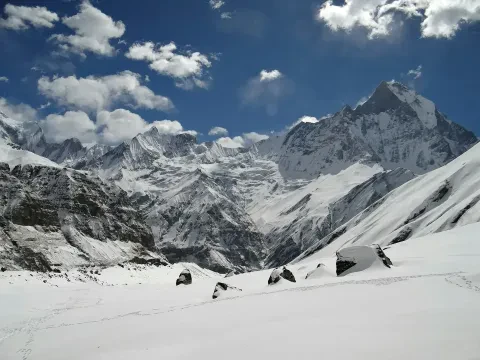
The Annapurna Base Camp Trek is one of Nepal’s most rewarding Himalayan adventures, combining mountain scenery, traditional villages, lush forests, dramatic landscapes, and the unforgettable experience of reaching Annapurna Base Camp at an elevation of 4,130 meters (13,546 feet).
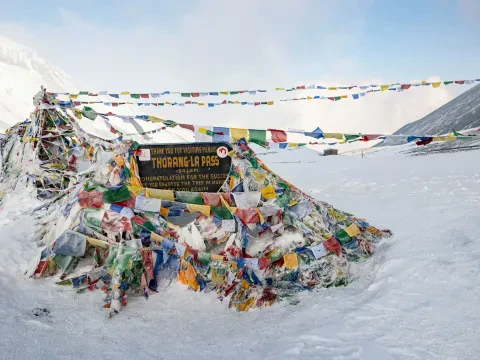
The Annapurna Circuit Trek is one of Nepal’s most celebrated Himalayan adventures, offering an extraordinary combination of mountain scenery, traditional villages, diverse landscapes, and rich cultural experiences. Organized by Nepal Everest Trek, this 17-day journey takes trekkers from the bustling Kathmandu Valley through the dramatic
Have a question before you book? Send your enquiry below and our travel experts will get back with the required information.