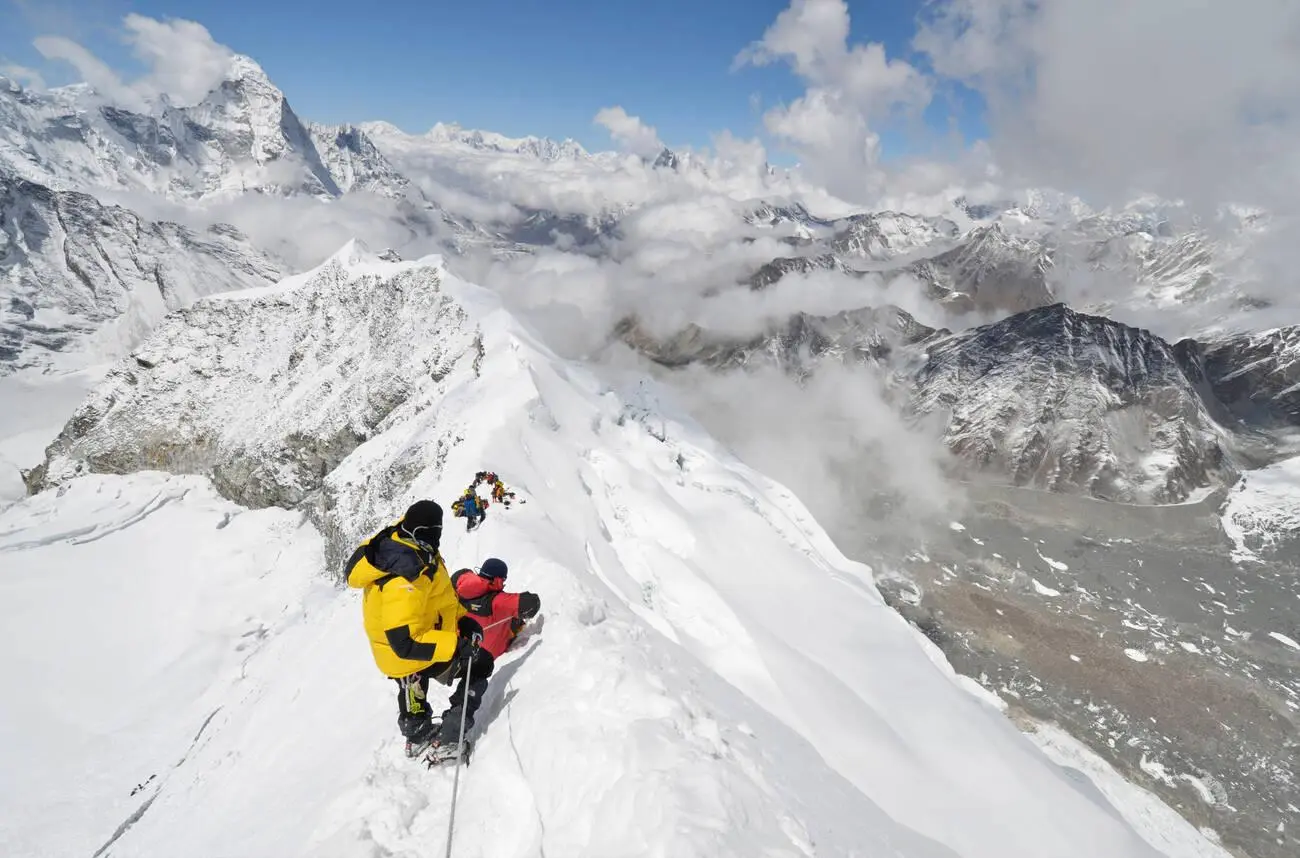
Island Peak, also known as Imja Tse, is a prominent trekking peak in the Khumbu region of Nepal, standing at 6,189 meters (20,305 ft). It is one of the most popular peaks for climbers aiming to gain high-altitude mountaineering experience before attempting taller Himalayan giants like Everest or Lhotse. The peak offers a perfect combination of trekking and climbing, allowing climbers to enjoy breathtaking Himalayan scenery, including views of Mount Everest, Lhotse, Nuptse, Ama Dablam, and Cho Oyu. The climb is often approached via the classic Everest Base Camp trekking route, making it accessible for those already acclimatized in the region.
Climbers usually start their journey in Kathmandu, followed by a scenic flight to Lukla, the gateway to the Everest region. The trek passes through charming Sherpa villages, rhododendron forests, suspension bridges, and high mountain passes. The Island Peak route offers a mix of trekking, glacier walking, ice climbing, and snow slopes, making it suitable for adventure seekers with some prior trekking or basic climbing experience. The summit is challenging yet rewarding, with panoramic views of the surrounding peaks that make all the effort worthwhile.
The best times for Island Peak climbing are generally in spring (March to May) and autumn (late September to November). These periods offer stable weather, clear skies, and relatively warmer temperatures, which make climbing safer and more enjoyable. During these seasons, the mountain is usually covered with snow, providing ideal conditions for ice and snow climbing, while the views of surrounding Himalayan giants are at their best.
Spring (March–May):
Autumn (Late September–November):
Winter climbs (December–February) are possible but extremely cold, with high risk of avalanches and strong winds, while the monsoon season (June–August) brings heavy snowfall, slippery trails, and frequent flight cancellations. Nepal Everest Trek ensures climbers choose the best window for weather, safety, and overall experience.
Island Peak is classified as a moderate to challenging trekking peak, suitable for climbers who have basic mountaineering experience or have undergone a short training program. The climb involves steep snow slopes, ice climbing sections, and navigating crevassed glaciers, especially near the summit. While not as technical as peaks over 7,000 meters, climbers must be physically fit and prepared for altitude sickness, frostbite risks, and long trekking days.
Transportation to the region:
The approach combines trekking and climbing, so proper acclimatization is crucial. Nepal Everest Trek provides experienced guides, porters, and high-quality climbing gear to ensure a smooth and safe journey. The team monitors weather and physical condition to prevent altitude-related illnesses.
Key difficulty points:
During the Island Peak expedition, accommodation is a combination of tea houses, lodges, and base camp tents, depending on the location. The lower regions of the trek, like Namche Bazaar and Tengboche, offer comfortable lodges with hot showers and Wi-Fi, while higher camps such as Lobuche, Chhukung, and Island Peak Base Camp provide basic yet sufficient shelter. At base camp and during summit attempts, climbers stay in well-equipped tents, often supplied with heated mess tents for meals.
Food is an important part of acclimatization and energy maintenance. Nepal Everest Trek ensures climbers are served high-calorie, nutritious meals, including:
Hydration is also critical; boiled or filtered water is recommended, and climbers are advised to drink at least 3–4 liters per day. The team provides oxygen, high-energy snacks, and proper nutrition to maintain strength during the climb.
Highlights:
Climbing Island Peak requires several official permits, which are mandatory for legal and safe trekking in the Everest region. Nepal Everest Trek assists with all required paperwork to ensure a smooth expedition.
Main permits include:
The permits help regulate tourism, protect the natural environment, and ensure climber safety. They also allow access to rescue and emergency services. Costs are manageable and vary depending on the season and peak regulations. Nepal Everest Trek handles all logistics, so climbers can focus on training, acclimatization, and summit attempts.
Island Peak offers a unique blend of trekking, cultural experience, and high-altitude mountaineering, making it an ideal choice for adventure enthusiasts. It provides:
Island Peak combines challenge and adventure while remaining achievable for well-prepared climbers. With proper training, guidance, and support from Nepal Everest Trek, climbers can safely reach the summit and create once-in-a-lifetime memories amidst the majestic Himalayas.
Key reasons to choose Island Peak:
Upon arrival at Tribhuvan International Airport in Kathmandu, you will be warmly welcomed by the Nepal Everest Trek team and transferred to your hotel. After settling in, there will be a short briefing on the expedition and necessary preparations. You will have the rest of the day to relax, explore the bustling streets of Thamel, or enjoy local Nepalese cuisine. This is the perfect time to adjust to the altitude, organize your trekking gear, and mentally prepare for the adventure ahead.
After an early breakfast, you will take a scenic mountain flight from Kathmandu to Lukla, known as one of the most thrilling airport experiences in the world. Upon landing, the trek begins with a gentle hike to Phakding. The trail winds along the Dudh Koshi River, passing small villages, monasteries, and suspension bridges. The combination of lush forests and stunning Himalayan views makes this a gradual and enjoyable start to the expedition. You will reach Phakding by late afternoon and settle into teahouse accommodations for the night.
Today, the trek becomes more challenging as you make your way to Namche Bazaar, the gateway to the high Himalayas. You will cross several suspension bridges and navigate through pine forests and rocky trails. The view of the majestic Everest, Lhotse, and Ama Dablam peaks begins to emerge as you approach Namche. Upon arrival, you will explore this vibrant Sherpa town with its bustling markets and traditional Tibetan architecture. Dinner at a local teahouse will give you a chance to meet fellow trekkers while enjoying panoramic mountain views.
Acclimatization is crucial at this altitude, so the day is spent hiking locally around Namche Bazaar. You may visit the Sherpa Museum or hike to the Everest View Hotel for breathtaking vistas of Everest, Lhotse, and Ama Dablam. This helps your body adjust to the thinner air and prepares you for higher altitudes. Afternoon leisure time allows for cultural interaction with local Sherpas or simply resting while soaking in the scenery. The day combines light activity with proper acclimatization, ensuring your body is ready for the more strenuous trekking ahead.
The trek today leads through beautiful rhododendron and pine forests toward Tengboche, famous for its monastery. The trail offers stunning views of Everest, Ama Dablam, and other Himalayan peaks. Reaching Tengboche, you will have the opportunity to visit the monastery, where monks chant and perform rituals that provide insight into Tibetan Buddhist culture. Staying overnight here offers spectacular sunset and sunrise views, and the altitude remains manageable, making it an excellent continuation of your acclimatization process.
Leaving Tengboche, the trail gradually climbs into the Imja Valley, offering increasingly panoramic views of towering peaks and glaciers. Passing through Pangboche, a traditional Sherpa village, you continue along rocky terrain with the Imja Khola River flowing alongside. Arriving in Dingboche, the “Summer Valley,” you will find yourself surrounded by alpine meadows and rugged peaks. The day is moderately challenging, preparing your body for higher altitudes while allowing you to admire the serene Himalayan environment. Overnight in a local teahouse provides a warm and comfortable rest.
Today is dedicated to acclimatization, essential for safe high-altitude trekking. You may hike to Nagarjun Hill or nearby ridges for panoramic views of Ama Dablam, Lhotse, and Island Peak. This short but steady trek strengthens your lungs and improves oxygen efficiency. The afternoon is free to rest, journal your journey, or enjoy tea while marveling at the surrounding peaks. Proper acclimatization here significantly reduces the risk of altitude sickness and ensures that you are physically prepared for the demanding climbs in the days ahead.
The journey to Lobuche begins with crossing moraine trails and following glacial paths, leading into increasingly rugged terrain. You will pass memorials of climbers who have perished on Everest, a sobering but inspiring reminder of the mountains’ majesty and danger. The small settlement of Lobuche serves as the base for trekkers heading toward Everest Base Camp and Island Peak. The high altitude requires steady pacing, and the breathtaking views of Pumori, Nuptse, and Khumbu Glacier keep spirits high. Lodging is in teahouses, providing essential rest before the summit push.
Trekking from Lobuche to Gorakshep, you gain further altitude as the trail winds through rocky glacial landscapes. Reaching Gorakshep, a small settlement near the base of Everest, you will take a side hike to Kala Patthar, the famous viewpoint. From here, you will witness a close-up view of Everest, Lhotse, and Nuptse, offering one of the most iconic Himalayan panoramas. The return to Gorakshep ensures an overnight stay at high altitude, critical for acclimatization before heading toward Island Peak. The day is physically demanding but immensely rewarding visually.
Descending from Gorakshep to Lobuche allows your body to recover from the previous day’s exertion while continuing to adapt to high altitude. This downhill trek is slightly easier physically but requires caution on rocky trails. Along the way, you can enjoy the vast glacial landscapes and the backdrop of towering Himalayan peaks. Reaching Lobuche, you will spend the night in comfortable teahouses, reviewing the upcoming sections of the expedition. This day serves as a necessary step in acclimatization while maintaining fitness and stamina for the Island Peak climb ahead.
The trail today crosses the Khongma La Pass, offering dramatic views of glacial valleys and Himalayan peaks. The hike to Chhukung is moderately challenging, with rugged terrain and occasional snow patches. Upon arrival in Chhukung, a small village at the base of Island Peak, you will witness stunning views of Imja Tse (Island Peak) and surrounding glaciers. Staying here allows you to prepare for the base camp ascent while soaking in the serene alpine environment. The day combines adventure with acclimatization, essential for the summit attempt.
Today, the trek leads to Island Peak Base Camp, where the high-altitude adventure truly begins. The trail passes moraines and glacial streams, offering panoramic views of Island Peak, Lhotse, and Ama Dablam. Reaching base camp, you will meet your climbing guides, organize climbing gear, and review safety and climbing protocols. Spending the night at 5,087 meters helps your body adapt to extreme altitude in preparation for the summit attempt. The evening at base camp is serene, with stars visible in crystal-clear mountain skies.
Summit day begins early, often before dawn, for a climb of Island Peak. Guided by experienced mountaineers, you will navigate snowfields, rock steps, and a short ice wall to reach the summit at 6,189 meters. The panoramic view of Everest, Lhotse, and Ama Dablam from the top is a once-in-a-lifetime experience. After celebrating and taking photographs, the descent back to Chhukung ensures a safe return. The day is physically demanding but exhilarating, marking the pinnacle of your expedition and providing memories that will last forever.
Descending from base camp to Pangboche, the trail follows rocky paths and alpine meadows. The descent allows your body to recover while enjoying the scenic beauty of the Khumbu region. Pangboche is home to one of the oldest monasteries in the area, providing a cultural highlight and an opportunity for reflection. The cooler valley climate and comfortable teahouses make this a restful day after the high-altitude exertion. Trekking gradually downhill helps prevent post-climb fatigue while giving you time to savor the Himalayan landscapes.
The trek back to Namche Bazaar takes you through forests and traditional Sherpa villages. Crossing suspension bridges and ascending ridges, you retrace parts of the original trail, now feeling a sense of accomplishment. Namche offers a vibrant marketplace and cozy lodges, providing a perfect place to relax and celebrate the successful summit. The afternoon can be spent exploring local shops, enjoying cultural interactions, or simply resting in the Himalayan ambiance. This day combines nostalgia with recovery as you descend from higher altitudes.
The final trekking day involves a long but manageable descent back to Lukla. The trail offers views of terraced fields, villages, and river valleys, giving you a final glimpse of the Khumbu region. The sense of accomplishment builds with every step as the journey winds down. Upon arrival in Lukla, you will stay overnight, ready for your flight back to Kathmandu. This day provides a reflective end to the trekking portion, allowing you to cherish memories of mountains, villages, and friendships formed along the way.
A morning flight from Lukla brings you back to Kathmandu, providing aerial views of the Everest region one last time. Upon arrival, you will be transferred to your hotel in the city. The day allows for rest, souvenir shopping, and exploration of Kathmandu’s cultural sites, such as Durbar Square or Swayambhunath Stupa. An evening farewell dinner hosted by Nepal Everest Trek offers a final opportunity to celebrate your successful expedition, share experiences with fellow trekkers, and enjoy authentic Nepalese cuisine.
After breakfast, you will be transferred to Tribhuvan International Airport for your onward journey. This marks the conclusion of your Island Peak Climbing adventure with Nepal Everest Trek. You leave with memories of towering peaks, Sherpa culture, and the personal achievement of summiting one of the Himalayas’ most iconic peaks. The expedition provides not just physical accomplishment but also a deep connection with Nepal’s natural and cultural heritage, ensuring an unforgettable experience that will stay with you forever.
Island Peak is considered a challenging yet achievable trekking peak, suitable for climbers with moderate trekking experience. The climb involves steep snow and ice slopes, crevasses, and a short fixed rope section near the summit. While technical equipment like crampons, ice axes, and harnesses are required, professional guides from Nepal Everest Trek provide full instruction and support. Physical fitness, endurance, and proper acclimatization are essential, as the summit reaches 6,189 meters. With preparation, determination, and guidance, most climbers successfully reach the top.
No prior mountaineering experience is strictly required, but basic trekking experience and physical fitness are essential. Nepal Everest Trek provides professional guides who teach essential climbing skills, including using crampons, ice axes, and ropes. While technical sections are brief, mental preparation and willingness to follow safety protocols are critical. For those seeking an introduction to high-altitude climbing, Island Peak is ideal, offering exposure to Himalayan climbing without the extreme demands of peaks like Everest or Cho Oyu.
Climbers should have good cardiovascular fitness, endurance, and strength to tackle long trekking days and high-altitude conditions. Training should include hiking with a backpack, stair climbing, running, or gym workouts for at least 8–12 weeks prior to the expedition. Daily treks can range from 4 to 8 hours, often on rocky or icy terrain. Proper acclimatization and a healthy diet during the expedition are crucial for energy and preventing altitude sickness. Nepal Everest Trek guides provide tips to maintain fitness before and during the climb.
The Island Peak package typically includes domestic flights (Kathmandu-Lukla-Kathmandu), accommodations in teahouses and hotels, three meals per day while trekking, climbing permits, insurance for guides and porters, professional climbing guides, trekking support staff, and transport of gear. Nepal Everest Trek ensures that all logistics, including acclimatization schedules, summit planning, and safety protocols, are handled. Personal climbing equipment like crampons and harnesses may be provided or rented, and the team offers guidance on what gear participants should bring for comfort and safety.
Yes, altitude sickness is a common concern at elevations above 3,500 meters. Symptoms include headache, nausea, dizziness, and fatigue. Nepal Everest Trek emphasizes proper acclimatization, gradual ascent, and hydration to minimize risks. The itinerary includes rest and acclimatization days in Namche Bazaar, Dingboche, and other key points to allow the body to adapt to thinner air. Guides monitor each climber for symptoms and take necessary precautions, including descending to lower altitudes if needed, to ensure safety while continuing the expedition responsibly.
The success rate for summiting Island Peak with proper guidance is high, often exceeding 80–90%, depending on weather, fitness, and acclimatization. Factors like heavy snowfall, high winds, or poor health may prevent climbers from reaching the summit. Nepal Everest Trek prioritizes safety over speed, ensuring climbers are well-prepared, trained, and acclimatized before attempting the final ascent. Careful planning, professional guidance, and adherence to safety protocols maximize the likelihood of a successful and memorable summit experience.
The best time to climb Island Peak is during the pre-monsoon season (March to May) and post-monsoon season (late September to November). During these periods, the weather is generally stable, with clear skies, moderate temperatures, and minimal snowfall. Pre-monsoon offers the advantage of blooming rhododendrons in the lower valleys, while post-monsoon provides crisp air, dry trails, and excellent visibility of Himalayan peaks. Climbing during the monsoon or winter is not recommended due to heavy snowfall, unpredictable weather, and increased risk of avalanches.
While trekking and climbing Island Peak, most meals are provided at teahouses along the route. Typical food includes Nepalese dishes like dal bhat, noodles, rice, vegetables, soups, and occasional pasta or pancakes. Accommodations are simple yet comfortable, with shared rooms or twin rooms and basic bedding. Hot showers may be available at some locations for a small fee. At base camp and higher elevations, conditions are more basic, but Nepal Everest Trek ensures clean, safe, and warm arrangements for climbers to rest and recover.
Yes, climbing Island Peak without a professional guide is strongly discouraged. Nepal Everest Trek provides certified mountaineering guides who ensure safety, teach technical skills, and manage logistics. Guides handle route planning, rope fixing, weather monitoring, and high-altitude decision-making, which are critical for a successful summit. While trekking portions may be manageable independently, technical climbing sections require supervision. The support team also helps with gear, meals, and emergency situations, making the overall expedition safer and more enjoyable for climbers of varying experience levels.
Porters and support staff play a vital role in the Island Peak expedition. They carry heavy gear, set up camps, assist with meal preparation, and ensure smooth logistics along the trek. Nepal Everest Trek carefully selects experienced porters familiar with high-altitude terrain to support climbers safely. While climbers carry personal items and climbing essentials, porters enable focus on physical exertion and acclimatization. Their knowledge of the route, local culture, and mountain conditions also enhances the overall experience, making the expedition safer, more comfortable, and highly organized.
Packing for Island Peak requires preparation for extreme temperatures, snow, and high-altitude conditions. Essential items include layered clothing (thermal base layers, fleece jackets, down jacket), waterproof outer layers, trekking boots, crampons, helmet, harness, gloves, hats, sunglasses, and a sleeping bag suitable for cold weather. Personal items like sunscreen, water bottles, medications, and a camera are recommended. Nepal Everest Trek provides a detailed packing list to ensure climbers are fully equipped while minimizing unnecessary weight, helping you stay comfortable, safe, and ready for the summit challenge.