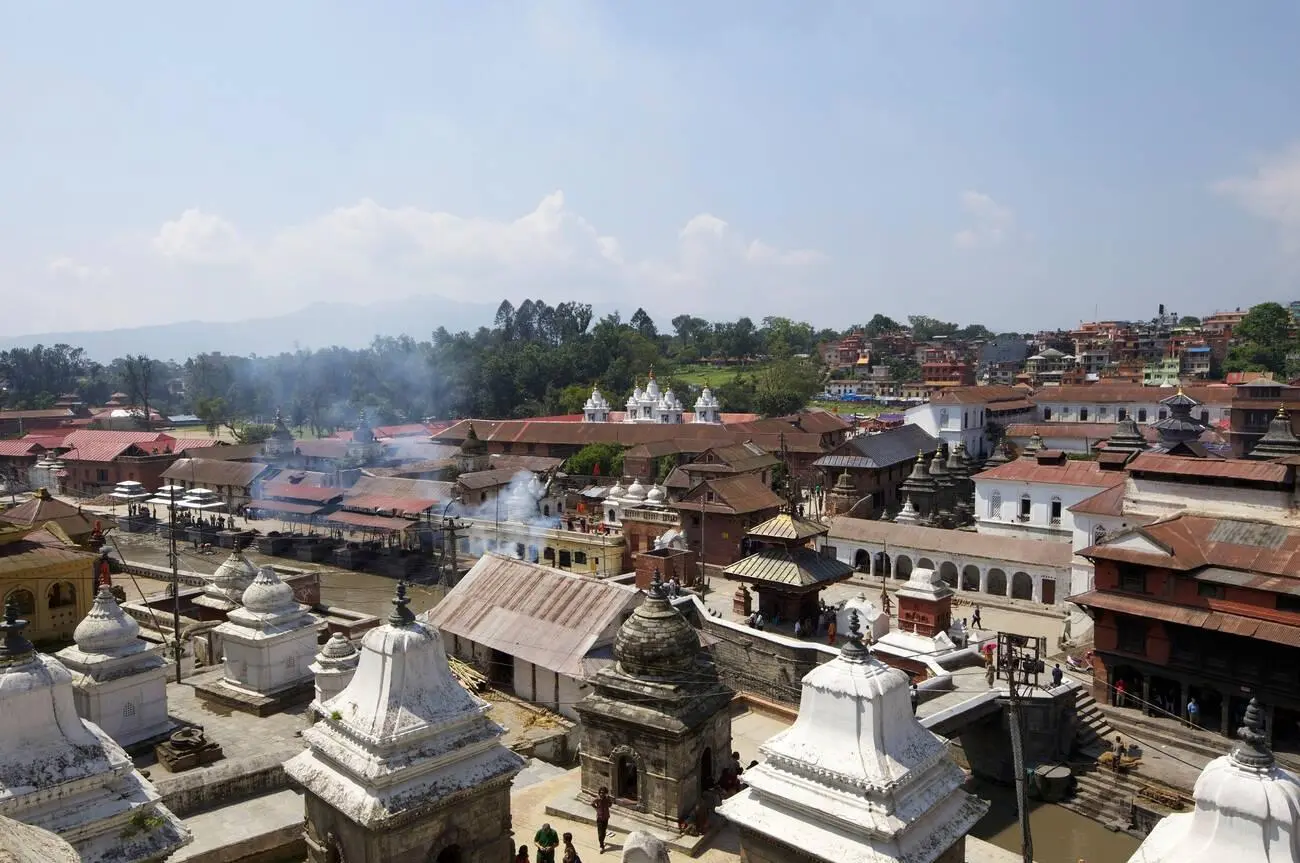
Nepal is a sacred land for Hindus, enriched with ancient temples, sacred rivers, and vibrant cultural traditions that have been preserved for centuries. A Hindu Pilgrimage Tour in Nepal offers spiritual seekers a journey through the most revered holy sites across the country. From the bustling streets of Kathmandu with its historic Pashupatinath Temple to the serene landscapes of Muktinath in Mustang, pilgrims experience a blend of devotion, history, and natural beauty.
This tour is designed for travelers seeking spiritual fulfillment and cultural immersion. Highlights include Pashupatinath, one of the holiest Shiva temples in the world; Changunarayan Temple, a UNESCO World Heritage Site; and Manakamana Temple, where devotees believe their wishes are granted. The journey also includes visits to traditional towns like Bhaktapur Durbar Square, where centuries-old architecture and rituals continue to flourish, and Sanga, a historic town with deep religious significance. Along the route, travelers can witness traditional Hindu rituals, interact with local priests, and participate in sacred ceremonies, making this pilgrimage both a spiritual and cultural exploration.
The best season for a Hindu Pilgrimage Tour in Nepal is during autumn (September to November) and spring (March to May). These months offer clear skies, pleasant temperatures, and excellent views of the Himalayan range, ensuring comfortable travel and a serene pilgrimage experience. Autumn is particularly festive, as it coincides with major Hindu festivals such as Dashain and Tihar, allowing pilgrims to witness vibrant celebrations at sacred temples.
Spring brings blooming rhododendrons and lush landscapes, adding to the spiritual ambiance of the journey. While the summer months (June to August) experience monsoon rains that can make travel challenging, the winter months (December to February) are cold, especially in Mustang and Muktinath, but still manageable for those prepared for colder conditions. Timing your pilgrimage during the recommended seasons ensures maximum comfort, cultural experiences, and opportunities for spiritual reflection without the hindrance of extreme weather.
Seasonal Tips:
The difficulty level of this tour is considered moderate, as it combines city exploration, scenic drives, and occasional short treks or uphill walks to reach temples like Muktinath. While most temples in the Kathmandu Valley and Pokhara are easily accessible, sites in Mustang and Manakamana require longer drives or cable car rides, which involve some physical stamina.
Transportation during the pilgrimage is a mix of private vehicles, flights, and cable cars for convenience. Nepal Everest Trek ensures comfortable travel with modern buses or private cars for road journeys. Flights from Pokhara to Jomsom save time and offer breathtaking aerial views of the Annapurna and Dhaulagiri ranges. Cable cars at Manakamana Temple provide easy access for those unable to walk uphill. Pilgrims are advised to wear comfortable shoes and carry light backpacks, as some sites involve uneven terrain or short walks from parking areas to temples.
Transportation & Difficulty Summary:
Nepal offers a wide variety of food that caters to pilgrims, ranging from vegetarian-friendly local dishes to international cuisine. Traditional Nepali meals include dal bhat (lentil soup with rice), momo (dumplings), and seasonal vegetables. On this pilgrimage, travelers can enjoy meals prepared at hotels, teahouses, or local eateries near sacred sites. Special arrangements for vegetarian or sattvic food can be made in advance, keeping the spiritual focus intact.
Accommodation on this pilgrimage varies from 3-star hotels in cities like Kathmandu and Pokhara to comfortable guesthouses in rural or mountainous regions like Muktinath and Mustang. Nepal Everest Trek ensures that all accommodations are clean, safe, and located conveniently near temples and pilgrimage sites. Some overnight stays in remote regions may have simpler facilities, reflecting the natural and spiritual environment of the area, allowing pilgrims to experience a more authentic connection with the Himalayan landscape.
Food & Accommodation Highlights:
Certain regions of Nepal, especially Mustang and Muktinath, require special permits for foreign travelers. The Upper Mustang Restricted Area Permit (RUP) is mandatory for visiting Mustang and can be arranged by Nepal Everest Trek. Additionally, the Annapurna Conservation Area Permit (ACAP) may be required for travel around Muktinath and nearby regions. These permits ensure regulated access to culturally and environmentally sensitive areas while preserving local heritage.
Nepal Everest Trek handles all permit arrangements, ensuring a hassle-free experience for pilgrims. Travelers are advised to carry valid passports and multiple passport-sized photographs for permit processing. Most urban temples, like those in Kathmandu and Bhaktapur, do not require permits, making the tour a combination of accessible city sites and restricted mountainous regions.
Permit Checklist:
Choosing the Hindu Pilgrimage Tour in Nepal with Nepal Everest Trek guarantees a spiritually fulfilling, culturally immersive, and hassle-free experience. The company specializes in curating tailored pilgrimages, combining historical insights, comfortable logistics, and expert guidance to ensure pilgrims can focus entirely on their spiritual journey.
Nepal Everest Trek’s expertise ensures safe transportation, knowledgeable guides who explain the religious significance of each site, and carefully selected accommodations near temples and pilgrimage routes. Travelers also enjoy flexibility in itineraries, local interactions, and opportunities to participate in rituals, making the journey both enriching and memorable. By choosing this tour, pilgrims experience not just the physical journey through Nepal but also an inner journey of devotion, reflection, and cultural discovery.
Reasons to Choose Nepal Everest Trek:
Upon your arrival at Tribhuvan International Airport in Kathmandu, you will be warmly welcomed by our representatives from Nepal Everest Trek. After completing airport formalities, you will be transferred to your comfortable hotel in the heart of the city. This day is dedicated to relaxing and acclimatizing to the cultural atmosphere of Kathmandu. Guests can take a leisurely walk in the nearby streets, experience the vibrant local life, and prepare for the spiritual journey ahead. In the evening, there will be a briefing about the pilgrimage itinerary, ensuring everyone is ready for the sacred journey that awaits.
On the second day, the tour begins with a spiritual exploration of Kathmandu’s most revered Hindu sites. You will visit the sacred Pashupatinath Temple, one of the holiest Shiva temples in the world, where you can witness devotees performing rituals along the Bagmati River. Later, the journey continues to Guhyeshwari Temple, dedicated to Goddess Shakti, followed by a visit to Kalinchok Mahadev Temple, where the atmosphere is serene and devotional. The day allows ample time for prayers, offerings, and photography, while guides explain the historical and spiritual significance of each site.
After breakfast, the tour proceeds to the ancient Changunarayan Temple, a UNESCO World Heritage Site dedicated to Lord Vishnu. This temple, renowned for its intricate stone carvings and historic significance, is considered one of the oldest Hindu temples in Nepal. Following this, we will explore the medieval charm of Bhaktapur Durbar Square, known for its exquisite temples, courtyards, and cultural heritage. The final stop of the day is Sanga, a village with historical temples where devotees often perform rituals and prayers. This day offers a perfect blend of spirituality, architecture, and cultural immersion.
Early morning, we drive towards Manakamana Temple, perched atop a hill and dedicated to the goddess of wish fulfillment, Bhagwati. The journey includes a scenic cable car ride offering breathtaking views of terraced fields and green hills. Upon reaching the temple, devotees can offer prayers, light incense, and participate in the local rituals. The spiritual energy here is profound, and pilgrims often feel a deep sense of peace and devotion. After the temple darshan, we spend time exploring the surrounding natural beauty and return to our hotel for a restful evening.
Today, we embark on a picturesque drive from Manakamana to Pokhara, the city of serene lakes and Himalayan views. The route passes through lush valleys, quaint villages, and riverside landscapes, providing an opportunity to observe rural life in Nepal. Upon arrival in Pokhara, guests can enjoy a relaxing walk along Phewa Lake, offering magnificent reflections of the Annapurna and Dhaulagiri ranges. The evening can be spent visiting local temples or simply unwinding while soaking in the tranquil atmosphere. Pokhara serves as a spiritual and scenic retreat before the journey to Mustang.
After an early breakfast, we take a short domestic flight from Pokhara to Jomsom, enjoying spectacular aerial views of the Annapurna and Nilgiri peaks. From Jomsom, a scenic drive brings us to Muktinath Temple, one of the holiest sites for Hindus and Buddhists alike. Situated at 3,710 meters, Muktinath is dedicated to Lord Vishnu and symbolizes liberation and purification. Pilgrims can perform rituals, offer prayers under the sacred 108 water spouts, and circumambulate the temple while soaking in the pristine Himalayan environment. The evening is spent acclimatizing and reflecting on the spiritual journey.
This day is fully devoted to exploring the sacred Muktinath Temple and its surroundings. Devotees can participate in the morning rituals, take holy dips in the cold waters believed to cleanse sins, and meditate in the serene Himalayan setting. The temple area also offers breathtaking views of the Mustang valley and the Thorong La mountain range. Guides from Nepal Everest Trek will provide insights into the temple’s legends, significance in Hindu mythology, and the unique blend of Hindu and Buddhist traditions observed here. Evening allows for peaceful reflection amid the tranquil mountains.
After a spiritually fulfilling morning, we begin the journey back to Pokhara. Depending on the weather and preference, this can be either a scenic drive or a short flight from Jomsom. The route showcases terraced fields, pine forests, and rivers flowing through valleys, providing ample photography opportunities. Upon arrival in Pokhara, guests can enjoy a relaxing evening by Phewa Lake, take a boat ride, or visit the nearby Bindhyabasini Temple for additional prayers. The day concludes with a traditional Nepali dinner and sharing experiences of the pilgrimage with fellow travelers.
Today, we travel back to Kathmandu by road, witnessing the changing landscapes from the peaceful Pokhara valley to the bustling Kathmandu Valley. En route, we may stop at scenic viewpoints and small villages to experience local culture. On arrival, guests are transferred to their hotel for rest and optional evening activities, such as a cultural show or shopping for spiritual souvenirs in Thamel. This day serves as a transition, allowing pilgrims to reflect on the spiritual experiences of the journey and prepare for the final day of departure.
On the last day of your pilgrimage, you will be transferred to Tribhuvan International Airport for your onward journey. Depending on your flight schedule, there may be time for last-minute shopping or visiting nearby temples in Kathmandu. The team from Nepal Everest Trek will ensure a smooth departure, assisting with luggage and airport formalities. As you bid farewell to Nepal, you carry home not just souvenirs but a profound spiritual experience, enriched by visits to some of the most sacred Hindu temples and pilgrimage sites in the Himalayas.
The Hindu Pilgrimage Tour in Nepal involves a mix of sightseeing in cities and travel to high-altitude temples, such as Muktinath at 3,710 meters. While the tour is suitable for individuals with moderate fitness, participants should be able to walk short distances, climb stairs, and endure brief periods at high altitudes. Nepal Everest Trek designs the itinerary with adequate rest days, acclimatization periods, and comfortable transportation options, making it accessible to most travelers, including seniors who maintain basic mobility and stamina.
High-altitude destinations like Muktinath are included with careful planning to ensure safety and comfort. The itinerary incorporates gradual acclimatization, short breaks during drives, and optional flights from Pokhara to Jomsom to reduce strain. Nepal Everest Trek provides guidance on preventing altitude sickness, including hydration, pacing, and mild acclimatization exercises. Pilgrims are encouraged to listen to their bodies and take extra time at high-altitude sites. Our experienced guides are trained to recognize early signs of altitude issues and provide appropriate support.
Yes, solo travelers are welcome on this Hindu pilgrimage tour. Nepal Everest Trek accommodates individuals by providing single rooms and ensuring group coordination for shared experiences while maintaining personal comfort. Solo travelers benefit from guided temple visits, cultural explanations, and safe transportation throughout the journey. The tour fosters opportunities to meet fellow pilgrims and engage in group rituals, enhancing both spiritual and social experiences, while also ensuring safety, security, and convenience for independent travelers exploring Nepal’s sacred sites.
Yes, the tour includes time to explore local markets, handicraft shops, and cultural sites in Kathmandu, Bhaktapur, and Pokhara. Pilgrims can purchase religious souvenirs, traditional jewelry, prayer beads, and handicrafts to commemorate their journey. Nepal Everest Trek also incorporates optional cultural activities, such as local dance performances or visits to artisan workshops, allowing travelers to experience Nepalese heritage firsthand. These moments provide a balance between spiritual pilgrimage and cultural immersion, giving participants a fuller understanding of Nepal’s religious traditions and vibrant lifestyle.
Most Hindu pilgrimage sites in Nepal, including Pashupatinath, Manakamana, and Muktinath, do not require a special permit for entry. However, domestic flights to destinations like Jomsom may require photo identification. Nepal Everest Trek assists pilgrims in ensuring all travel documents, flight tickets, and any necessary permits are in order before departure. While permits are minimal, respectful behavior, proper attire, and adherence to temple protocols are expected to maintain the sanctity of these sacred sites.
The ideal time to undertake a Hindu pilgrimage tour in Nepal is during the spring (March to May) and autumn (September to November) seasons. During these months, the weather is generally clear, with moderate temperatures and minimal rainfall, allowing for comfortable travel to high-altitude temples like Muktinath. Spring brings blooming rhododendrons, while autumn offers crisp skies and spectacular Himalayan views. Nepal Everest Trek ensures that tours are scheduled during these favorable periods to maximize both spiritual experience and scenic beauty.
Yes, comfortable accommodations are included throughout the tour. In Kathmandu, Pokhara, and near pilgrimage sites like Manakamana, hotels are carefully selected to ensure comfort, safety, and cultural ambiance. Nepal Everest Trek prioritizes hotels that provide clean rooms, hot water, and essential amenities. While staying in Pokhara and Kathmandu, guests can enjoy additional facilities such as Wi-Fi, cultural programs, and easy access to local temples. This ensures that pilgrims have a comfortable resting place after spiritually enriching but often physically demanding days.
Packing appropriately is essential for comfort and spiritual decorum. Travelers should bring layered clothing for varying temperatures, comfortable walking shoes, a hat, sunglasses, and sunscreen for sunny Himalayan days. Modest attire for temple visits, including clothes that cover shoulders and knees, is required. A small backpack for water, snacks, and personal items is recommended during site visits. Nepal Everest Trek also advises carrying basic medications, a reusable water bottle, camera, and travel documents. Adequate preparation ensures both safety and a fulfilling pilgrimage experience.
The tour includes daily breakfast at all accommodations, with options for vegetarian and non-vegetarian diets to suit different preferences. Some days, Nepal Everest Trek also arranges packed lunches during long journeys or visits to remote pilgrimage sites. Traditional Nepali meals, including dal bhat, momos, and local sweets, are offered whenever possible. Guests are encouraged to inform us of dietary restrictions in advance so that the team can make proper arrangements, ensuring a nutritious and satisfying culinary experience throughout the spiritual journey.
No prior knowledge of Nepali is required. Nepal Everest Trek provides English-speaking guides who accompany guests throughout the pilgrimage. The guides explain the history, legends, and religious significance of each temple and site, facilitating meaningful interactions with local priests and devotees. For those interested, basic Nepali phrases and rituals can be taught by guides to enrich participation. Communication with locals, purchases, and temple procedures are handled smoothly, ensuring travelers can focus on the spiritual and cultural experience without any language barriers.