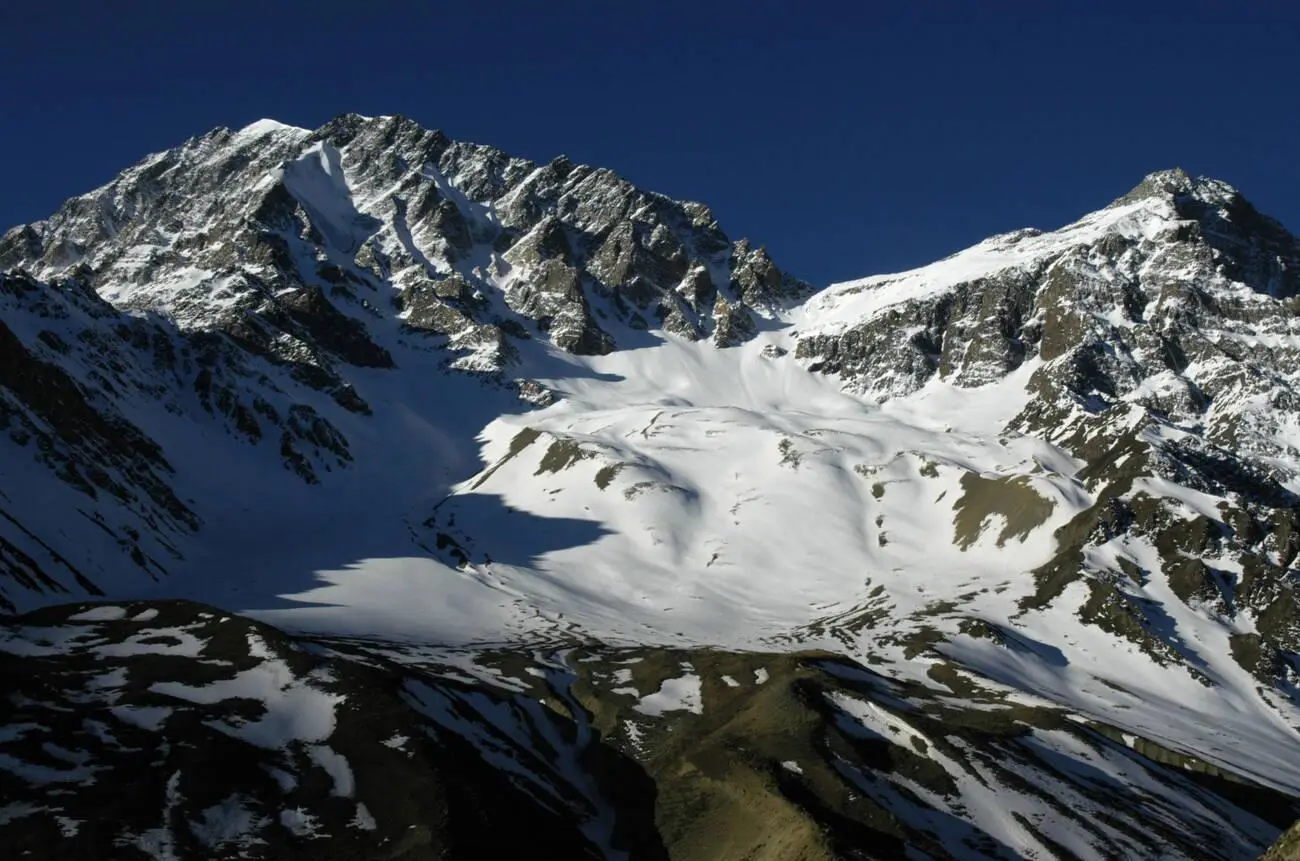
Pisang Peak, standing at 6,091 meters (19,985 ft) in the Annapurna region of Nepal, is one of the most popular trekking peaks for climbers seeking high-altitude adventure. Its striking pyramid shape rises dramatically above the Manang Valley, offering breathtaking views of the Annapurna II, Annapurna IV, Gangapurna, and Chulu East peaks. The climb combines trekking with basic mountaineering skills, making it ideal for those looking to experience Himalayan climbing without extreme technical challenges.
The expedition typically begins from Kathmandu, followed by a drive to Jagat and trekking through picturesque villages like Dharapani, Chame, Upper Pisang, and Manang Valley. Climbers spend several days at higher altitudes to acclimatize, ensuring a safe and enjoyable summit experience. The trek also passes through diverse landscapes, from subtropical forests to alpine meadows, providing a rich cultural and natural experience along the way.
The ideal time for Pisang Peak climbing is spring (March to May) and autumn (September to November). During these periods, the weather is relatively stable, with clear skies, moderate temperatures, and lower chances of snowstorms. Spring offers beautiful rhododendron blooms, while autumn provides crystal-clear mountain views and ideal climbing conditions.
Winter climbs are possible but colder and riskier due to heavy snow, while the monsoon season (June to August) is generally avoided because of frequent landslides and slippery trails. Proper timing ensures safer trekking, better acclimatization, and a higher chance of summiting successfully.
Season Highlights:
Pisang Peak is considered a moderate trekking peak, suitable for beginners with basic mountaineering training. The climb involves using ropes, crampons, and ice axes on glaciers and snow slopes, but technical sections are manageable with guidance. Physical fitness, proper acclimatization, and determination are key to a successful summit.
Transportation to the starting point is straightforward. Most climbers fly to Kathmandu and then drive to Jagat, the starting village of the trek. From there, trekking is the primary mode of movement. The route is well-marked and supported by local lodges, making navigation relatively easy.
Difficulty & Transport Overview:
Along the trekking route, climbers stay in tea houses and lodges, which provide comfortable beds, blankets, and basic amenities. Hot showers may be limited at higher altitudes, but accommodations are clean and welcoming. Upper Pisang and Manang offer the best options for acclimatization stops.
Food is a mix of Nepali, Tibetan, and Western cuisines, including dal bhat (lentil rice), noodles, soups, and pasta. Hydration is essential at high altitudes, so drinking boiled water or using purification tablets is recommended. The combination of hearty meals and cozy lodging ensures climbers are well-prepared for the ascent.
Accommodation & Food Highlights:
Climbers must secure proper permits before attempting Pisang Peak. The required permits include:
These permits are mandatory and ensure climbers follow safety guidelines and respect the environment. Nepal Everest Trek facilitates all permit arrangements, so clients can focus on their journey without bureaucratic stress.
Permit Highlights:
Nepal Everest Trek offers expert-guided expeditions to Pisang Peak, combining safety, comfort, and cultural immersion. Their experienced guides provide training on ropes, crampons, and ice axes, ensuring climbers feel confident throughout the journey. The company also handles all logistics, including permits, accommodation, meals, and transportation.
Choosing Nepal Everest Trek guarantees not only a successful climb but also a rich Himalayan experience, including interaction with local communities, breathtaking landscapes, and personalized support. Their commitment to safety, sustainability, and high-quality service makes them a top choice for Pisang Peak adventures.
Why Nepal Everest Trek:
Upon your arrival at Tribhuvan International Airport in Kathmandu, you will be warmly welcomed by our representative from Nepal Everest Trek and transferred to your comfortable hotel in the heart of the city. After settling in, you can relax and refresh after your flight. In the evening, the team will conduct a briefing about the Pisang Peak expedition, covering trekking routes, acclimatization strategies, and equipment requirements. This is also a great time to explore Thamel’s bustling streets, shop for trekking essentials, and enjoy your first taste of Nepali cuisine.
After breakfast, embark on an exciting scenic drive from Kathmandu to Jagat, a small village in the Lamjung district. The drive takes you through rolling hills, terraced farmland, and charming rural villages, offering an authentic glimpse of Nepali rural life. Along the way, enjoy the views of the Trishuli River and surrounding landscapes. Upon arrival in Jagat, you will settle into your guesthouse, meet your trekking crew, and prepare for the days ahead. This day also allows you to rest and stretch your legs after the long drive, ensuring you are ready for the trek.
The trek begins with a steady climb through lush forests of pine and rhododendron, crossing charming wooden bridges over glacial streams. You will pass through small villages where local people lead traditional lifestyles, providing a window into the culture of the region. The trail gradually ascends to Dharapani, a gateway to the Annapurna circuit, offering panoramic views of snow-capped peaks in the distance. The afternoon allows time to explore the village, interact with locals, and enjoy the pristine mountain environment. Your guide will also discuss proper acclimatization techniques and prepare you for the next day’s journey.
Leaving Dharapani, the trail climbs steadily through alpine forests, interspersed with terraced fields and stone settlements. You will pass through small villages like Bagarchhap, experiencing authentic rural Himalayan life. The trail opens up to reveal impressive views of Annapurna II and Lamjung Himal. By the afternoon, you will arrive in Chame, the district headquarters of Manang, where you can enjoy a warm meal and take in the breathtaking valley vistas. Chame offers basic amenities and is a perfect spot to rest and acclimatize further before heading higher into the mountains.
Today’s trek is both challenging and rewarding, as you climb higher into the mountains toward Upper Pisang. The trail gradually narrows, winding along the Marsyangdi River with spectacular views of towering peaks like Annapurna II and Pisang Peak. Small stone villages and mani walls (Buddhist prayer walls) add cultural depth to the hike. Upon reaching Upper Pisang, you are greeted with panoramic views of the Annapurna and Manaslu ranges. This altitude requires mindful pacing and hydration to acclimatize properly. The village itself is serene, with traditional Tibetan-style houses and prayer flags fluttering in the crisp mountain air.
An essential day for acclimatization, you will explore Upper Pisang and its surroundings. A short hike to nearby viewpoints, such as the Pisang Peak approach trail or the monastery, helps your body adjust to the high altitude. The day also provides time to interact with local residents, observe their daily routines, and learn about Tibetan Buddhist culture. Guides from Nepal Everest Trek will monitor your health and advise on proper hydration, diet, and rest strategies. This slow, deliberate day ensures your body is prepared for the demanding climb to Pisang Peak Base Camp.
The climb to Pisang Peak Base Camp begins with an ascent through rugged terrain and glacial moraine. You pass alpine meadows and rocky outcrops, gradually feeling the altitude as you approach 4,380 meters. Base Camp is set against the imposing backdrop of Pisang Peak’s steep slopes, providing an awe-inspiring environment for preparation. Here, the team will review technical climbing equipment, safety procedures, and summit strategies. The evening is spent organizing gear, resting, and absorbing the serene beauty of the surrounding peaks, knowing the summit attempt is imminent.
Today, you will ascend to High Camp, a strenuous climb requiring stamina and focus. The route traverses glaciers, steep rocky sections, and snow slopes. Your guides will ensure proper rope usage and climbing safety techniques, offering constant support and encouragement. The thin mountain air makes the trek challenging, so slow, steady pacing is crucial. High Camp provides an incredible vantage point over the surrounding Himalayas and allows climbers to rest before the early morning summit push. Preparation for the summit continues with equipment checks and acclimatization walks near the camp.
The summit day begins very early, often before sunrise, to take advantage of stable weather conditions. The climb to 6,091 meters is challenging, involving ice, snow, and rock climbing. Upon reaching the summit, you are rewarded with breathtaking 360-degree views of Annapurna, Manaslu, and surrounding peaks, a truly unforgettable experience. After spending some time at the top, you carefully descend back to Base Camp. The return journey requires caution to avoid fatigue-related mishaps. Celebrations and group photos mark the achievement, followed by rest and a hearty meal at Base Camp.
This extra day is reserved for unforeseen delays such as adverse weather or fatigue. It provides flexibility in the schedule, allowing for additional acclimatization or a safer ascent if needed. You can also use this day to explore nearby trails, interact with fellow trekkers, or simply rest and enjoy the serene Himalayan environment. The team from Nepal Everest Trek will ensure your safety and adjust plans accordingly, maintaining a balance between ambition and well-being while preparing for the continuation of the trek.
Descending from Base Camp, the trail winds through rocky valleys and past high alpine landscapes. You will pass small glaciers, streams, and sparsely populated settlements as you move into the more hospitable Manang Valley. The town of Manang offers lodges, bakeries, and breathtaking views of Gangapurna and Annapurna III. This descent allows your body to recover from the climb while continuing gradual acclimatization for the next phase of the journey. The evening provides time to explore Manang’s streets and experience the local culture of this high-altitude settlement.
Today’s trek leads you to Yak Kharka, a small alpine settlement named after the yaks grazing in the area. The trail ascends gently, passing through open landscapes with stunning views of glaciers and snow-capped peaks. Yak Kharka serves as an overnight stop before tackling Thorong La Pass. The village is quiet, providing a sense of isolation and peace high in the mountains. Here, trekkers can enjoy a warm meal, rest, and prepare for the altitude gain ahead, with guidance from the Nepal Everest Trek team on pacing and acclimatization techniques.
The trail to Thorong Phedi climbs steadily, winding through rugged terrain and offering increasingly dramatic views of the Annapurna range. Thorong Phedi is the last stop before the challenging Thorong La Pass, making it a critical resting point. Trekkers can prepare for the early morning ascent by organizing gear, hydrating, and reviewing safety protocols. The small settlement consists of teahouses and lodges, providing basic comfort and support. The evening is spent resting early to ensure energy for the demanding climb over the pass.
An early start takes you on the final push to Thorong La Pass, the highest point of the trek at 5,416 meters. The ascent is challenging, with steep snow and rocky sections, but the panoramic views from the pass make every step worthwhile. After summiting, you descend to the sacred Muktinath Temple, a pilgrimage site for Hindus and Buddhists alike. Continuing the descent, you reach Jomsom, a vibrant town in the Kali Gandaki valley. Here, trekkers can rest, enjoy local cuisine, and reflect on the awe-inspiring journey they have completed.
A short scenic flight from Jomsom to Pokhara allows you to rest while enjoying breathtaking views of the Annapurna and Dhaulagiri ranges from above. Pokhara, a picturesque lakeside city, offers modern amenities, beautiful landscapes, and a chance to relax after weeks in the mountains. The evening can be spent exploring Phewa Lake, strolling along the lakeside promenade, or enjoying local restaurants. The city provides a comfortable environment to rejuvenate before returning to Kathmandu.
The journey back to Kathmandu is a scenic drive through hills, rivers, and small towns, offering your last glimpse of rural Nepal. Upon arrival, you are transferred to your hotel for rest and leisure. The afternoon can be spent shopping for souvenirs, exploring cultural landmarks, or simply relaxing. In the evening, the Nepal Everest Trek team hosts a farewell dinner to celebrate the successful Pisang Peak expedition, sharing stories and photographs from the adventure.
After breakfast, you will be transferred to Tribhuvan International Airport for your onward flight. This marks the conclusion of your unforgettable Pisang Peak adventure. Memories of soaring Himalayan peaks, challenging climbs, and cultural encounters will accompany you home. The team from Nepal Everest Trek ensures a smooth departure, leaving you with a sense of accomplishment and the inspiration to return to the majestic landscapes of Nepal.
Pisang Peak is classified as a trekking peak, meaning it is suitable for climbers with good physical fitness and trekking experience at high altitudes. You should be comfortable walking for 5–7 hours daily on rugged trails and capable of handling moderate snow and ice slopes during the climb. Nepal Everest Trek emphasizes the importance of cardiovascular endurance, leg strength, and stamina, as well as mental preparedness for high-altitude conditions. Regular hiking and training before the expedition greatly improve your chances of a successful summit.
No prior technical climbing experience is strictly necessary to attempt Pisang Peak, as it is considered a trekking peak. However, basic familiarity with ice axe and crampon usage, as well as rope handling, will be beneficial. Nepal Everest Trek provides professional guides and support, including climbing equipment and instruction, to ensure safety during the ascent. Even first-time climbers can summit Pisang Peak successfully with proper training, guidance, and careful acclimatization. Previous trekking experience at moderate altitude is highly recommended.
Proper acclimatization is crucial to avoid altitude sickness on Pisang Peak. Nepal Everest Trek structures the itinerary to allow gradual ascent with designated rest and acclimatization days, such as in Upper Pisang. Climbers are encouraged to follow the “climb high, sleep low” principle, stay hydrated, and monitor symptoms closely. Guides perform regular health checks, and contingency days are built into the schedule to provide flexibility in case extra acclimatization is needed. This structured approach increases safety and the likelihood of reaching the summit successfully.
Yes, Nepal Everest Trek offers flexible and customizable itineraries for Pisang Peak based on your schedule, fitness level, and preferences. Custom plans can include extended acclimatization days, alternative trekking routes, or combining the climb with Annapurna Circuit highlights. The team works closely with clients to accommodate personal requirements, such as dietary preferences or private guiding services. Customization ensures a more comfortable and personalized expedition experience while maintaining safety standards and maximizing opportunities for a successful summit.
The Pisang Peak expedition typically lasts 16–17 days, depending on acclimatization needs and weather conditions. Nepal Everest Trek carefully plans the schedule to include trek days, acclimatization periods, the summit attempt, and contingency days. The journey includes trekking through scenic villages, alpine landscapes, and high-altitude passes, culminating in the technical climb to Pisang Peak’s summit. This timeframe balances adventure, acclimatization, and recovery, ensuring climbers can reach the summit safely while enjoying the natural and cultural highlights along the route.
The best time to climb Pisang Peak is during the pre-monsoon (March to May) and post-monsoon (September to November) seasons. These periods offer stable weather, clear skies, and breathtaking mountain views. During these months, temperatures are moderate, and the trails are generally dry, making both trekking and climbing safer. Nepal Everest Trek recommends avoiding the monsoon season due to heavy rainfall, landslides, and slippery trails, while winter months can be extremely cold with higher risks of avalanches and snowstorms.
Climbers need a combination of trekking and technical climbing gear. Essential items include insulated jackets, trekking boots, crampons, harnesses, helmets, gloves, and a sleeping bag rated for high altitudes. Nepal Everest Trek provides technical climbing gear like ropes, ice axes, and protective equipment, but personal items such as clothing, headlamps, and trekking poles are required. Layered clothing is essential to adapt to varying temperatures during trekking and climbing. Guides provide detailed packing lists to ensure climbers are fully prepared for all conditions.
Pisang Peak is considered a safe trekking peak when climbed with proper guidance and preparation. Nepal Everest Trek ensures safety through professional mountaineering guides, trained support staff, and comprehensive equipment. Daily health checks, gradual acclimatization, and weather monitoring are integral parts of the expedition. Guides are trained in first aid and altitude sickness management, and contingency plans exist for emergencies. Climbers are briefed on safety protocols, and rescue arrangements are in place if necessary. Following instructions and pacing oneself are crucial for a safe climb.
During the trek to Pisang Peak, climbers will stay in teahouses, lodges, and base camp tents, depending on the location. These accommodations provide basic comfort, warm meals, and hot showers where available. Nepal Everest Trek ensures a balance of nutritious, high-energy meals, often including local Nepali cuisine, rice dishes, soups, and fresh vegetables. At higher altitudes like Base Camp and High Camp, simple yet calorie-rich meals are provided to sustain energy levels. Tea, coffee, and boiled water are available throughout the trek.
To climb Pisang Peak, two main permits are required: the Annapurna Conservation Area Permit (ACAP) and the Trekking Peak Permit issued by the Nepal Mountaineering Association. Nepal Everest Trek assists in obtaining all necessary permits before departure, ensuring a smooth process without delays. These permits are essential for legal access to the region and contribute to environmental conservation and local development. Carrying valid identification, such as a passport or citizenship certificate, is also required, and the trekking company guides clients through all documentation requirements.
Yes, travel insurance is highly recommended for Pisang Peak climbers. It should cover high-altitude trekking, mountaineering activities, emergency evacuation, medical treatment, and trip cancellations. Nepal Everest Trek requires climbers to have insurance as part of safety protocols. High-altitude expeditions involve unpredictable weather, altitude sickness, and challenging terrain, making insurance essential for protection and peace of mind. Adequate coverage ensures climbers can focus on the adventure without worrying about unforeseen emergencies or medical costs.