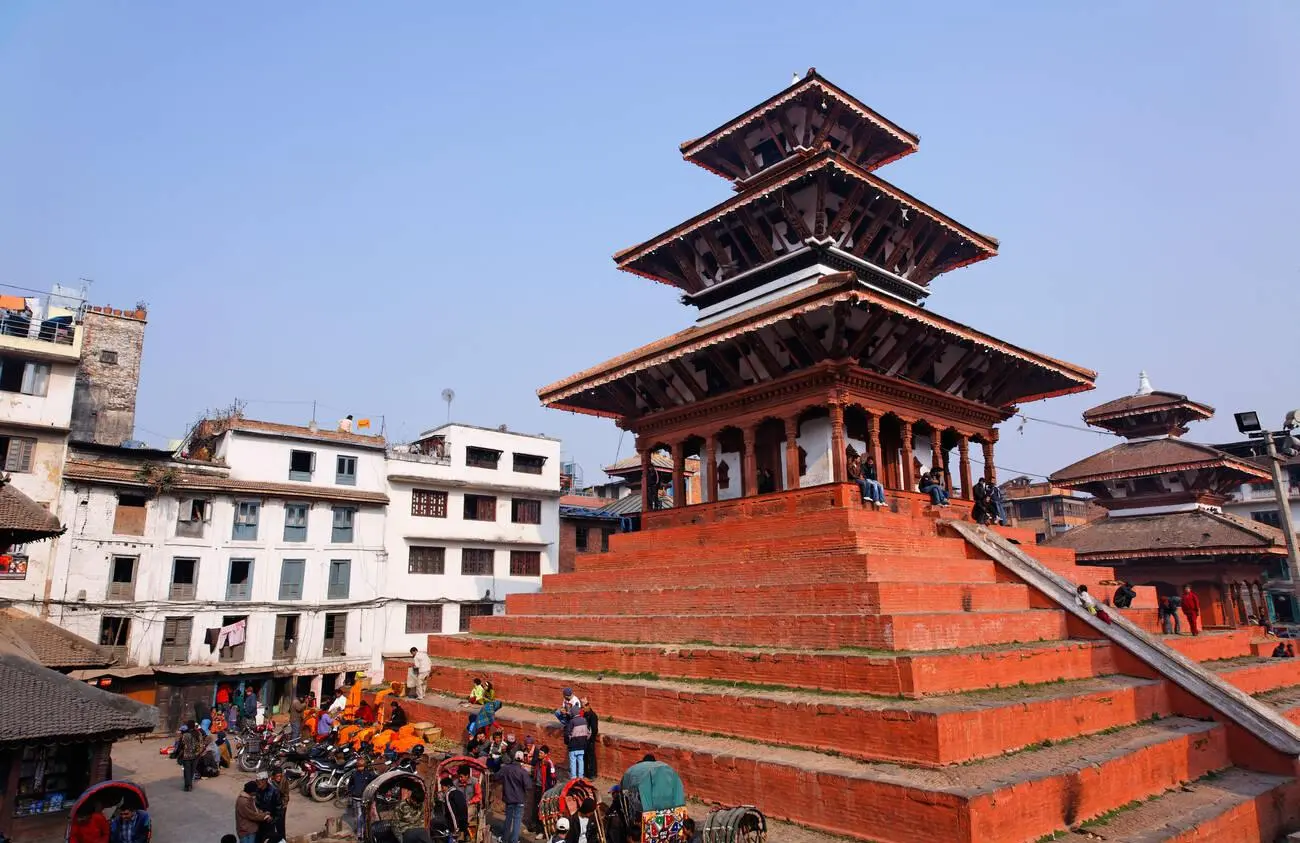
The Kathmandu Sightseeing Tour offered by Nepal Everest Trek is an immersive journey through the rich cultural, historical, and spiritual heart of Nepal. This full-day tour allows travelers to explore Kathmandu Valley’s most iconic landmarks, each reflecting centuries of architectural brilliance and religious devotion. The day begins at Swayambhunath Stupa, famously called the Monkey Temple, perched atop a hill offering panoramic views of the valley. Visitors are greeted by playful monkeys and fluttering prayer flags along the stairway, creating a lively yet serene atmosphere. The main stupa, with its gilded spire and intricate carvings, provides a perfect introduction to Buddhist heritage, while smaller shrines and prayer wheels allow for quiet reflection and cultural engagement.
Next, the tour proceeds to Pashupatinath Temple, one of the most sacred Hindu temples in the world. Located along the tranquil Bagmati River, this temple offers visitors a unique glimpse into daily rituals, holy bathing ceremonies, and traditional cremation practices. Observing wandering sadhus and devotees adds depth to the understanding of Nepalese spiritual life. The pagoda-style architecture, adorned with ornate woodwork and golden roofs, showcases exquisite craftsmanship that has been preserved for centuries. The day continues to Boudhanath Stupa, a UNESCO World Heritage site and a center of Tibetan Buddhist culture. Travelers can circumnavigate the massive stupa, spin prayer wheels, and witness monks performing rituals while exploring surrounding monasteries, handicraft shops, and traditional cafés, making it a blend of serenity and cultural vibrancy.
The final stop is Kathmandu Durbar Square, a historical hub filled with palaces, temples, and courtyards from the Malla dynasty. Highlights include Hanuman Dhoka Palace, home of the Living Goddess Kumari, and the magnificent Taleju Temple. Strolling through bustling streets and local markets offers an intimate experience of city life, making the tour a perfect combination of spiritual heritage, architectural marvels, and cultural immersion before returning to your hotel.
Kathmandu is a year-round destination, but certain seasons enhance the sightseeing experience. Autumn (September to November) is considered the best season, with clear skies, moderate temperatures, and vibrant cultural festivals. This period offers excellent visibility for panoramic views of the valley and surrounding Himalayan peaks. Spring (March to May) is another favorable time, with blooming rhododendrons, pleasant weather, and festive energy, making city exploration more enjoyable.
During winter (December to February), mornings can be chilly, but the skies are crisp and clear, perfect for photography. Monsoon season (June to August) is less ideal due to heavy rainfall and occasional travel disruptions, but it brings lush greenery and fewer crowds. Travelers planning a Kathmandu sightseeing tour should prioritize autumn or spring for a blend of comfort, scenic beauty, and cultural vibrancy.
Best Seasons at a Glance:
Choosing Nepal Everest Trek for your Kathmandu sightseeing tour ensures a seamless blend of comfort, local expertise, and cultural depth. The company specializes in curated experiences that highlight the spiritual, historical, and artistic treasures of Kathmandu Valley. With knowledgeable guides, travelers gain insider insights into each site’s history, rituals, and architecture, far beyond what a self-guided tour could offer.
Additionally, Nepal Everest Trek focuses on flexible, personalized itineraries. Whether you prefer a photography-focused day, cultural immersion, or a relaxed pace, the tour can be tailored to your interests. The company also provides comfortable transportation, meals, and local interaction opportunities, ensuring safety and convenience. Choosing a trusted operator like Nepal Everest Trek guarantees not only the chance to explore the landmarks but also to understand the living culture, spiritual practices, and vibrant traditions that make Kathmandu truly unique.
Reasons to Choose Nepal Everest Trek:
Your Kathmandu adventure begins with a visit to the iconic Swayambhunath Stupa, famously known as the Monkey Temple. Perched atop a hill, this sacred site offers sweeping panoramic views of the Kathmandu Valley, ideal for photography and sunrise vistas. As you climb the stairway decorated with fluttering prayer flags, playful monkeys greet you along the path, creating a lively and memorable experience. Explore the magnificent main stupa with its gilded spire, intricate carvings, and numerous smaller shrines, while soaking in the spiritual ambiance. The site perfectly blends history, religious devotion, and local traditions, giving travelers a profound introduction to Nepalese culture.
Next, the tour continues to Pashupatinath Temple, one of the most revered Hindu temples in the world, situated along the serene Bagmati River. Here, you can observe daily rituals, holy bathing ceremonies, and traditional cremation practices, offering deep insight into Nepalese spiritual life. Admire the pagoda-style architecture adorned with elaborate wood carvings and glistening golden roofs, reflecting centuries of artistic craftsmanship. Interactions with wandering sadhus—ascetic holy men—further enrich your understanding of devotion and religious practices. The peaceful riverbank, accompanied by melodic chanting, creates a reflective and culturally immersive experience for visitors.
The journey then leads to Boudhanath Stupa, a UNESCO World Heritage site and one of the largest stupas in Nepal, central to Tibetan Buddhist culture. Circumambulate the massive stupa while spinning prayer wheels, and witness monks performing their daily rituals, which exude tranquility and devotion. The surrounding area is alive with Tibetan monasteries, local handicraft shops, and quaint cafes where visitors can experience traditional Tibetan culture firsthand. The vibrant neighborhood allows for both contemplative walks and lively cultural interactions, making it a must-visit destination for travelers seeking serenity intertwined with local life.
Finally, conclude your day at Kathmandu Durbar Square (Basantapur Durbar Square), a historic hub that beautifully showcases palaces, temples, and courtyards dating back to the Malla dynasty. Explore the Hanuman Dhoka Palace, home to the Living Goddess Kumari, and admire Taleju Temple along with other intricately carved monuments that narrate stories from Hindu mythology. Stroll through bustling streets and local markets, soaking up the vibrant city culture and historical charm. This final stop encapsulates the essence of Kathmandu, combining spiritual heritage, architectural brilliance, and the dynamic energy of city life before returning to your hotel for an overnight stay.
The owner is very friendly and provides a lot of complete service information, according to personal experience, preferences, schedule to help you choose the trip, there is a chance to recommend this!
The Kathmandu Sightseeing Tour with Nepal Everest Trek includes a full-day guided exploration of the city’s most iconic landmarks, such as Swayambhunath Stupa, Pashupatinath Temple, Boudhanath Stupa, and Kathmandu Durbar Square. The package typically covers private transportation, an experienced English-speaking guide, entrance fees to major attractions, and hotel pick-up and drop-off. Meals are usually not included unless specified. The itinerary is designed to provide a balance of cultural immersion, spiritual insight, and historical exploration for travelers of all ages.
The Kathmandu Sightseeing Tour is designed as a full-day experience, typically lasting 7 to 9 hours. Depending on your interests and pace, it may start in the morning around 8:00 AM and conclude by late afternoon or early evening. The tour allows ample time at each site for photography, exploration, and interaction with locals, ensuring that visitors can absorb the spiritual, historical, and cultural significance of each landmark without feeling rushed.
While the Kathmandu Sightseeing Tour is suitable for most travelers, participants should be able to walk moderate distances, climb stairs, and navigate uneven surfaces, especially at locations like Swayambhunath Stupa and Kathmandu Durbar Square. Comfortable walking shoes are recommended. The tour is not physically strenuous, but those with mobility challenges may need assistance. Nepal Everest Trek can accommodate special requests, including arranging vehicles closer to entrances or shorter walking routes, to ensure that all travelers can enjoy the experience safely and comfortably.
Yes, the Kathmandu Sightseeing Tour is family-friendly and suitable for elderly travelers, provided they can manage moderate walking and stair climbing. Children will find the vibrant colors, bustling markets, and playful monkeys at Swayambhunath Stupa particularly engaging. Nepal Everest Trek guides tailor the pace and focus of the tour according to the group’s age and interest, ensuring both educational and entertaining experiences for visitors of all ages, making it a memorable cultural journey for families, students, and senior travelers alike.
Photography is allowed at most sites, including Swayambhunath Stupa, Boudhanath Stupa, and Kathmandu Durbar Square. However, at Pashupatinath Temple and in certain areas of religious ceremonies, photography may be restricted, especially during cremation rituals or in areas designated for worshippers. Nepal Everest Trek guides provide information on where photography is permitted and offer tips for capturing the best angles while respecting local traditions. Travelers are encouraged to be mindful of cultural sensitivities and always ask before photographing individuals, particularly sadhus or monks.
The Kathmandu Sightseeing Tour involves moderate walking at each landmark, including climbing stairs at Swayambhunath Stupa and exploring courtyards at Kathmandu Durbar Square. While transportation is provided between sites, visitors should be prepared for walking distances of 1–3 kilometers in total throughout the day. Nepal Everest Trek advises comfortable footwear and occasional breaks, and guides are available to adjust the pace for those needing extra rest, ensuring a comfortable experience without missing the highlights of each historic and cultural site.
Kathmandu can be visited year-round, but the most pleasant seasons for sightseeing are spring (March to May) and autumn (September to November). During these months, the weather is generally mild, skies are clear, and the views of the Kathmandu Valley are spectacular. Summer can be warm with occasional rainfall, while winter can be chilly, especially in the early mornings. Nepal Everest Trek recommends planning your tour during spring or autumn for the best combination of weather, visibility, and cultural events.
Visitors are encouraged to dress modestly and comfortably for the tour. Lightweight, breathable clothing is ideal in spring and summer, while warmer layers are recommended in winter. Since many sites are religious, including Pashupatinath Temple and Boudhanath Stupa, shoulders and knees should be covered out of respect for local customs. Comfortable walking shoes are essential for navigating stairs and uneven terrain. Accessories such as hats, sunglasses, and sunscreen are recommended, and scarves can be useful when entering religious sites that require additional modesty.
Meals are typically not included in the standard sightseeing tour package. However, Nepal Everest Trek can arrange lunch at local restaurants upon request, offering traditional Nepali cuisine or international options. Snacks and bottled water are recommended for the day, especially during the warmer months. Visiting local cafes around Boudhanath Stupa or Thamel can provide an opportunity to experience authentic food and beverages, enhancing the cultural experience alongside sightseeing. Special dietary requirements can usually be accommodated with prior notice.
Booking the Kathmandu Sightseeing Tour with Nepal Everest Trek is simple and can be done online through the company website or by contacting their travel consultants via email or phone. The booking process involves selecting your preferred date, providing traveler details, and confirming payment. Nepal Everest Trek offers flexible options, including private tours, group tours, and customizable itineraries. Once booked, you will receive a confirmation with detailed instructions, pick-up time, and guide information, ensuring a smooth and well-organized sightseeing experience from start to finish.