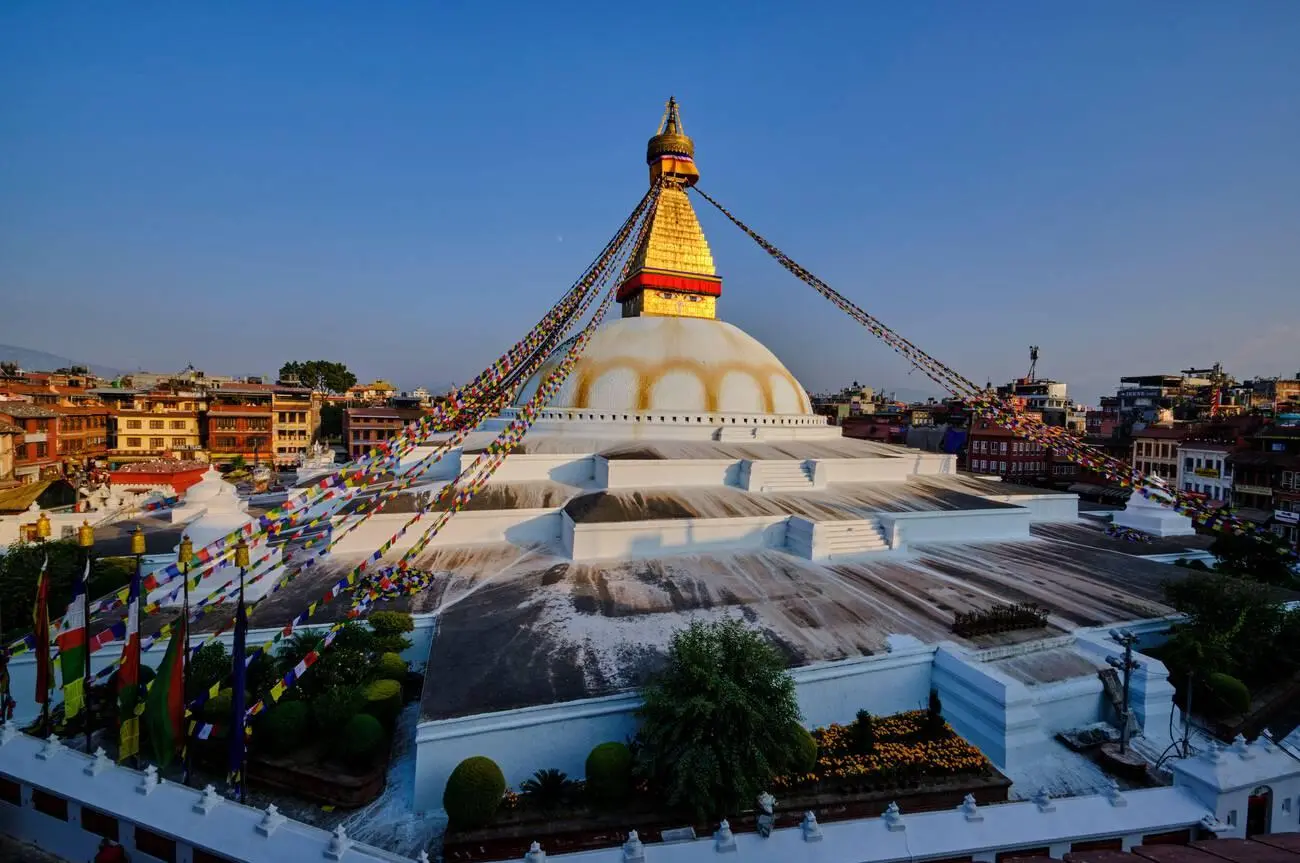
The Buddhist Pilgrimage Tour in Nepal with Nepal Everest Trek offers a unique journey through the sacred sites of Nepal, the birthplace of Lord Buddha. This tour takes you to historically and spiritually significant destinations, combining cultural exploration with serene landscapes. From the bustling streets of Kathmandu to the tranquil monasteries of Pokhara and the holy grounds of Lumbini, pilgrims will experience the essence of Buddhist heritage.
The tour begins in Kathmandu, visiting the iconic Boudhanath Stupa, one of the largest Buddhist stupas in the world, and exploring monasteries like Kapan Monastery, known for meditation retreats and spiritual learning. A visit to Swayambhunath, or the Monkey Temple, provides panoramic views of Kathmandu Valley and insights into Tibetan Buddhism. Traveling to Pokhara, you can marvel at the World Peace Pagoda and Tibetan settlements like Hyangja Refugee Camp, fostering a deep understanding of Buddhist traditions. Finally, the journey culminates in Lumbini, the birthplace of Lord Buddha, where the sacred Mayadevi Temple, Ashokan Pillar, and monastic zones offer an unforgettable spiritual experience.
The ideal time to undertake this spiritual journey is during autumn (September to November) or spring (March to May). During these seasons, the weather is generally clear, providing excellent views of the Himalayas, comfortable travel conditions, and vibrant cultural festivals.
Traveling during these seasons ensures that pilgrims can enjoy both spiritual contemplation and scenic beauty without interruptions from extreme weather.
This pilgrimage tour is designed for travelers of moderate fitness levels. Most activities involve short walks or moderate sightseeing, with no intense trekking required, making it suitable for all age groups interested in Buddhist culture.
Transportation is provided via comfortable vehicles for long distances between cities such as Kathmandu, Pokhara, and Lumbini. Local sightseeing involves short drives and gentle walking around monasteries and temple complexes.
Travel Details:
Nepal Everest Trek ensures a comfortable and culturally immersive stay throughout the journey. Guests are accommodated in 3–4 star hotels in Kathmandu and Pokhara, and comfortable lodges in Lumbini.
Meals include a mix of Nepalese, Tibetan, and vegetarian options, catering especially to pilgrims observing dietary restrictions. Local cafés offer freshly brewed tea and traditional dishes, enhancing the cultural experience.
Key Points:
For this tour, international visitors are required to have a valid passport and a Nepal Tourist Visa, which can be obtained on arrival at Kathmandu airport or in advance from Nepalese consulates.
Special permits are not required for Buddhist pilgrimage sites like Boudhanath, Swayambhunath, or Lumbini, making the journey hassle-free. Visitors are encouraged to respect local customs and temple regulations.
Checklist:
Choosing Nepal Everest Trek for your Buddhist pilgrimage ensures a well-organized, safe, and spiritually fulfilling journey. With experienced guides, comfortable accommodations, and a thoughtfully planned itinerary, the tour allows you to deeply connect with Buddhist heritage while enjoying Nepal’s natural beauty.
Benefits:
This pilgrimage is perfect for travelers seeking spiritual growth, cultural exploration, and scenic tranquility, offering a journey that resonates with both heart and soul.
Upon arrival at Tribhuvan International Airport in Kathmandu, you will be warmly welcomed by our representative from Nepal Everest Trek and transferred to your comfortable hotel. After settling in, you can take some time to relax and acclimatize to the city’s altitude and vibrant atmosphere. The evening can be spent enjoying a traditional Nepali welcome dinner while discussing the week’s pilgrimage itinerary. This gentle introduction to Nepal allows travelers to refresh after their journey, preparing both mind and body for the spiritual journey ahead.
Today begins with a serene visit to Boudhanath Stupa, one of the largest and most sacred Buddhist stupas in Nepal, where pilgrims spin prayer wheels and immerse themselves in the chants and rituals performed by local monks. We will explore several surrounding monasteries, learning about their history, architecture, and meditation practices. In the afternoon, the journey continues to Kapan Monastery, a peaceful retreat offering breathtaking views of the Kathmandu Valley. Here, participants can observe meditation sessions, participate in discussions on Buddhist teachings, and absorb the tranquil atmosphere.
The day begins with a visit to Swayambhunath, also known as the Monkey Temple, perched atop a hill offering panoramic views of Kathmandu. The stupa, adorned with the iconic Buddha eyes, provides a spiritual start to the morning. After a guided exploration and an opportunity for personal reflection, we embark on a scenic drive to Pokhara, a picturesque lakeside city renowned for its natural beauty. Along the way, travelers will witness the transition from the bustling valley to serene landscapes, with rolling hills, rivers, and terraced fields setting the tone for the spiritual immersion ahead.
In Pokhara, the pilgrimage continues with a visit to the World Peace Pagoda, an impressive white stupa overlooking Phewa Lake and the majestic Annapurna mountain range. Here, participants can engage in meditation and enjoy the calming ambiance. Next, we explore Malepatan Gumba, a Tibetan Buddhist monastery with colorful murals and a peaceful environment for reflection. The day concludes with a visit to the Hyangja Tibetan Refugee Camp, where visitors learn about Tibetan culture, rituals, and the lives of displaced monks, fostering understanding of Buddhist resilience and spirituality in exile.
After an early breakfast, we depart for Lumbini, the birthplace of Lord Buddha, driving through Nepal’s lush Terai region. This scenic journey offers glimpses of rural life, fertile plains, and small villages, connecting pilgrims to the heart of Nepalese culture. Upon arrival in Lumbini, travelers are introduced to the sacred area, visiting the Maya Devi Temple and other nearby historical monuments. The evening is reserved for quiet reflection and optional spiritual walks through the peaceful gardens, allowing pilgrims to absorb the sacredness of this UNESCO World Heritage site.
Today is dedicated to a full exploration of Lumbini, including the sacred Maya Devi Temple, where Buddha was born, and other significant monuments like the Ashokan Pillar. Pilgrims can visit monasteries built by different Buddhist countries, each reflecting unique architectural styles and cultural traditions. The serene Lumbini Garden offers space for meditation, chanting, and contemplation. Throughout the day, guided discussions and explanations deepen understanding of Buddha’s early life, teachings, and the evolution of Buddhist practice. Evening reflections provide a profound spiritual connection in the birthplace of Buddhism.
After breakfast, we journey back to Kathmandu, retracing the scenic route through the Terai plains and the Kathmandu Valley. Upon arrival, travelers are transferred to their hotel and have the afternoon free for shopping, exploring local markets, or revisiting favorite spiritual sites. In the evening, a farewell dinner is organized by Nepal Everest Trek, where participants share experiences, reflections, and memories from the pilgrimage. This day balances travel with introspection, allowing time to absorb the teachings, culture, and serenity encountered throughout the journey.
On the final day, after breakfast, you will be transferred to Tribhuvan International Airport for your onward journey. Depending on your flight schedule, there may be time for a brief visit to local markets or a final walk around Kathmandu’s spiritual streets. The memories, experiences, and spiritual insights from the pilgrimage will accompany you home. Our team at Nepal Everest Trek ensures a smooth departure, marking the conclusion of a transformative journey through Nepal’s sacred Buddhist sites.
The tour covers the most sacred Buddhist sites in Nepal, starting with Boudhanath Stupa and Kapan Monastery in Kathmandu, Swayambhunath (Monkey Temple), World Peace Pagoda, Malepatan Gumba, and the Hyangja Tibetan Refugee Camp in Pokhara. The journey also includes Lumbini, the birthplace of Lord Buddha, with visits to Maya Devi Temple, Ashokan Pillar, and international monasteries. Each destination is carefully chosen by Nepal Everest Trek to provide both spiritual immersion and cultural understanding, allowing pilgrims to experience the diversity of Buddhist traditions in Nepal.
Absolutely. The Buddhist pilgrimage tour is designed to accommodate first-time visitors, combining spiritual exploration with cultural immersion and manageable travel schedules. Nepal Everest Trek ensures that the itinerary is balanced, with sightseeing, meditation opportunities, and comfortable transportation between cities. Experienced guides provide explanations, historical context, and support for travelers unfamiliar with Nepalese customs. Whether you are a beginner in Buddhist practices or simply seeking cultural understanding, this pilgrimage is tailored to provide a meaningful, stress-free experience.
The Buddhist pilgrimage tour in Nepal is designed to be gentle and accessible for travelers of various fitness levels. Most activities involve short walks, sightseeing, and gentle hikes rather than strenuous trekking. Travel between cities is by comfortable private vehicle. Some minor climbing, such as stairs at Swayambhunath or small hilltop monasteries, is required, but Nepal Everest Trek ensures adequate rest and acclimatization time. Pilgrims are encouraged to wear comfortable walking shoes and stay hydrated while enjoying a spiritually enriching yet physically manageable journey.
Yes, the tour provides multiple opportunities to participate in meditation, chanting, and prayer rituals under the guidance of resident monks at various monasteries. Pilgrims visiting Kapan Monastery, Malepatan Gumba, or Lumbini can join short meditation sessions, prayer ceremonies, and discussions on Buddhist philosophy. Nepal Everest Trek ensures that participation is voluntary and respectful, giving travelers a chance to experience authentic spiritual practices without pressure, while also learning the significance of rituals, mindfulness, and devotion in the Buddhist tradition.
Yes, Nepal Everest Trek offers flexible options to customize your Buddhist pilgrimage tour. Travelers can adjust the duration, add extra meditation or retreat sessions, include additional monasteries, or explore nearby cultural sites based on personal interest. Customization ensures that the pilgrimage aligns with individual spiritual goals, physical capabilities, or travel schedules. Pilgrims can discuss preferences with our travel advisors, and we will create a tailored itinerary that balances spiritual engagement, cultural exploration, and comfortable travel, making your experience deeply meaningful and unique.
The ideal time for a Buddhist pilgrimage tour in Nepal is during the spring (March to May) and autumn (September to November) seasons. During these months, the weather is pleasant, skies are clear, and the landscapes, including the Himalayan views, are at their most stunning. Nepal Everest Trek recommends planning your pilgrimage during these periods to avoid monsoon rains, cold winters, or dusty summer conditions, ensuring a comfortable journey while fully enjoying spiritual sites like Lumbini, Boudhanath, and Swayambhunath.
No special permits are required for visiting most Buddhist pilgrimage sites in Nepal. Sites like Boudhanath Stupa, Swayambhunath, and Lumbini are open to all tourists. However, certain monasteries may request respectful attire and limited photography. For the pilgrimage organized by Nepal Everest Trek, all necessary arrangements, local guidance, and entry protocols are handled in advance to ensure a smooth experience. Pilgrims are only expected to follow monastery rules, dress modestly, and show respect during prayer sessions or rituals.
Accommodation throughout the pilgrimage is carefully selected to provide comfort, cleanliness, and proximity to the sacred sites. In Kathmandu and Pokhara, pilgrims stay in 3- or 4-star hotels with modern amenities, while in Lumbini, lodgings are peaceful, close to the monastery complexes, and ideal for meditation. Nepal Everest Trek ensures that all accommodations maintain a balance between comfort and immersion in local culture. Meals are often provided in the hotel or at nearby restaurants, offering both Nepali and vegetarian-friendly options suitable for spiritual travelers.
Yes, meals are included for most days of the tour. The menu usually features a combination of traditional Nepali cuisine, vegetarian meals, and international dishes to accommodate different dietary preferences. Special attention is given to ensuring meals are wholesome, nutritious, and suitable for pilgrims seeking spiritual or mindful eating experiences. Nepal Everest Trek can also accommodate vegan or other dietary restrictions if requested in advance, making sure your pilgrimage is comfortable and sustains your energy for both travel and meditation sessions throughout the journey.
Yes, comfortable and reliable transportation is included throughout the pilgrimage. Travelers are provided with private vehicles for city transfers, sightseeing excursions, and long-distance travel between Kathmandu, Pokhara, and Lumbini. Experienced drivers ensure safety on the road, while scenic stops along the way allow pilgrims to enjoy Nepal’s diverse landscapes. Nepal Everest Trek organizes the logistics to provide stress-free travel, including airport pickups and drop-offs, ensuring that participants can focus entirely on the spiritual and cultural experience of the pilgrimage.