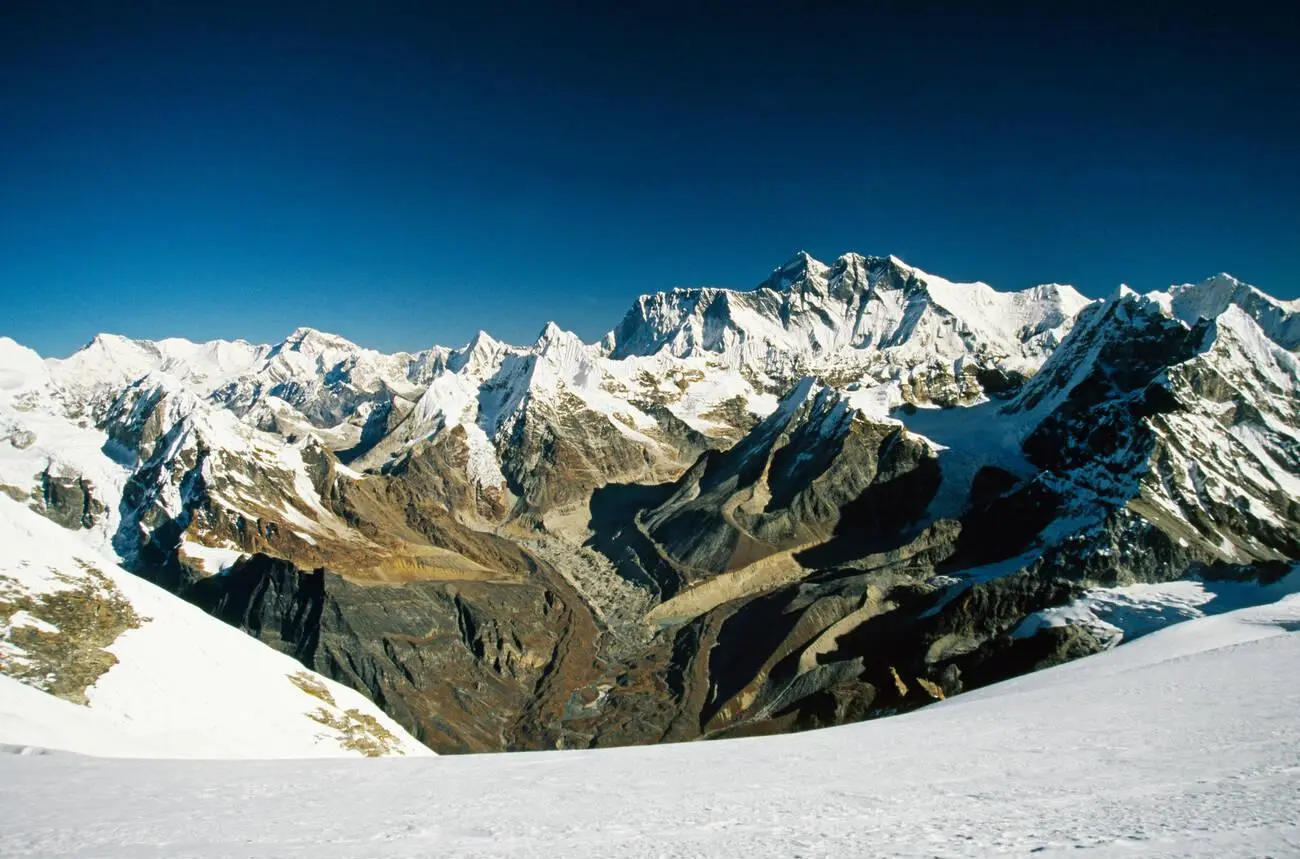
Mera Peak, standing at 6,461 meters (21,199 ft), is the highest trekking peak in Nepal and offers climbers a perfect blend of adventure, culture, and panoramic Himalayan views. Located in the Khumbu region, Mera Peak presents a unique opportunity to experience the grandeur of the Everest, Makalu, Cho Oyu, and Lhotse ranges from one vantage point. The climb is not only a physical challenge but also an immersive experience into the Sherpa culture, high-altitude trekking lifestyle, and pristine landscapes of Nepal. With Nepal Everest Trek, climbers are guided by experienced mountaineers, ensuring safety, acclimatization, and an enjoyable journey throughout the expedition.
The trek usually begins with a scenic flight from Kathmandu to Lukla, followed by gradual trekking through villages, valleys, and passes such as Paiya, Panggom, Ningsow, and Zatrwa La. Trekkers pass through picturesque landscapes, lush forests, and glacial rivers while staying in teahouses or tents, gradually acclimatizing to higher altitudes. The ascent to Mera High Camp at 5,780m (18,964 ft) is a crucial phase for acclimatization, preparing climbers for the final summit push. On summit day, climbers are rewarded with breathtaking 360-degree views of the Himalayan giants.
Mera Peak is climbable year-round, but the best seasons are spring (March–May) and autumn (September–November). During these months, weather conditions are most favorable with clear skies, minimal rainfall, and stable temperatures, which are ideal for both trekking and climbing. Spring offers blooming rhododendron forests along the lower trekking routes, while autumn provides crisp air and spectacular visibility of the Himalayan ranges.
Winter climbs (December–February) are possible but involve extreme cold, higher avalanche risks, and shorter daylight hours. Monsoon season (June–August) is generally avoided because of heavy rainfall, slippery trails, and cloud cover that obscures mountain views. Climbers aiming for a summit attempt should plan their trek to allow gradual acclimatization, minimizing the risks of altitude sickness and ensuring a safer ascent.
Advantages of Climbing During Peak Seasons:
Nepal Everest Trek offers tailored itineraries depending on the season, optimizing safety, sightseeing, and the climbing experience.
Mera Peak is classified as a moderate trekking peak, making it suitable for climbers with some trekking experience and basic mountaineering skills. While technical skills are minimal compared to major peaks, the climb requires proper acclimatization, endurance, and preparation for high-altitude conditions. The final ascent involves glacier trekking and using fixed ropes, crampons, and ice axes under the supervision of expert guides.
Transportation logistics begin with an early morning flight from Kathmandu to Lukla, a thrilling 30–40 minute journey over rugged Himalayan terrain. From Lukla, trekking begins along well-marked trails passing through Paiya, Panggom, Ningsow, and the Khumbu valley. Porters or yaks can carry heavy equipment, allowing trekkers to focus on acclimatization and enjoying the scenery. Descending via Zatrwa La Pass ensures a looped trekking experience back to Lukla.
Difficulty and Transportation Highlights:
With Nepal Everest Trek, all logistics, including flights, porters, gear, and guides, are professionally managed to ensure a smooth and safe experience.
During the Mera Peak expedition, trekkers are accommodated in a combination of teahouses, lodges, and base camp tents. In lower regions such as Lukla, Paiya, and Panggom, teahouses provide simple rooms with basic bedding and shared bathrooms. At higher altitudes like Khare and Mera High Camp, tents equipped with sleeping bags and dining facilities are used to ensure comfort in extreme conditions. Nepal Everest Trek ensures hygienic and comfortable accommodations throughout the trek.
Food on the trail focuses on high-energy, nutritious meals to support climbers at altitude. Typical meals include Dal Bhat (rice and lentils), noodles, soups, pasta, and dried fruits. Hot drinks like tea and coffee are essential for warmth and hydration. Guides and cooks provided by Nepal Everest Trek help tailor meals to climbers’ dietary needs, ensuring sufficient calories for trekking and climbing.
Food and Accommodation Highlights:
This careful arrangement of accommodation and food ensures climbers maintain energy levels and rest adequately, critical for a successful summit.
Climbing Mera Peak requires obtaining multiple permits issued by the Nepal government. These include:
Permits can be arranged in Kathmandu before the trek or facilitated by a professional trekking company. The costs vary depending on nationality, peak category, and duration of the climb. Nepal Everest Trek handles all permit arrangements, ensuring climbers comply with legal regulations without delays or complications.
Permit Highlights:
Having permits in place guarantees climbers a safe and lawful expedition while contributing to conservation efforts in the Himalayan region.
Mera Peak is ideal for trekkers and climbers seeking a challenging yet achievable summit. It combines adventure, breathtaking Himalayan views, cultural exposure, and personal achievement. Unlike Everest, Mera Peak does not require extreme technical skills, making it accessible to motivated adventurers with moderate experience. Summit views offer unparalleled panoramas of Everest, Cho Oyu, Lhotse, and Makalu, creating memories of a lifetime.
Choosing Nepal Everest Trek enhances the experience with professional guides, detailed itineraries, high-quality equipment, safety measures, and logistical support. The company ensures gradual acclimatization, comfortable accommodations, nutritious meals, and contingency plans for weather or health issues. The team’s expertise allows climbers to focus on the adventure and enjoy the trek without worrying about technical or bureaucratic challenges.
Reasons to Choose Mera Peak Climbing with Nepal Everest Trek:
Mera Peak climbing is more than a trek—it is a journey of self-discovery, resilience, and awe-inspiring natural beauty, perfectly facilitated by Nepal Everest Trek.
Upon arrival at Tribhuvan International Airport in Kathmandu, you will be warmly welcomed by our Nepal Everest Trek representative and transferred to your hotel. Today is dedicated to rest and relaxation after your international flight. In the evening, you may take a leisurely stroll around Thamel, the tourist hub of Kathmandu, to explore its vibrant streets, local shops, and cafes. Our team will brief you about the Mera Peak expedition, provide essential information, and ensure your trekking permits and paperwork are ready for the adventure ahead.
After breakfast, we will embark on a sightseeing tour of Kathmandu’s UNESCO World Heritage Sites, including the sacred Pashupatinath Temple, the impressive Boudhanath Stupa, and the historic Patan Durbar Square. These sites offer a deep cultural insight into Nepal’s heritage. Post sightseeing, our team will conduct a comprehensive pre-trek briefing, checking your trekking gear, distributing trekking documents, and providing instructions for high-altitude safety. The evening is free for shopping or personal preparation, allowing you to acclimatize mentally before the adventure begins.
Today we take a thrilling early morning flight from Kathmandu to Lukla, famed for its dramatic Himalayan runway. From Lukla, we begin trekking through the scenic Dudh Koshi Valley, crossing suspension bridges and passing rustic Sherpa villages. The trail is lined with pine forests and terraced fields, creating a perfect introduction to the region. After approximately five to six hours of trekking, we reach Paiya, where we settle into a teahouse. Evening views of surrounding peaks make for an enchanting sunset experience.
Today’s trek takes us from Paiya to Panggom, a trail that gently ascends through lush forests, small settlements, and flowing streams. We pass by Mani walls and prayer flags, experiencing the deep-rooted Buddhist culture of the Khumbu region. The day’s moderate trekking allows your body to adjust to higher altitudes while enjoying panoramic views of distant snow-capped peaks. Arrival in Panggom provides time to rest and explore the surrounding area. In the evening, we gather for dinner and discuss the plan for the next day’s journey.
The trek today is relatively short but scenic, taking us to Ningsow. The path winds through rhododendron and pine forests, alongside sparkling streams and small Sherpa settlements. Trekking at a relaxed pace helps with acclimatization as we gradually gain altitude. Upon arrival in Ningsow, the team sets up the teahouse accommodations, and we take time to rest and enjoy the serene mountain surroundings. The day offers a peaceful introduction to trekking life in the Everest region.
The trek today is longer and slightly more challenging, taking approximately seven to eight hours. The route descends gently at first, crossing the Bhote Koshi River, then ascends along rolling hills and terraced farmlands. Passing through traditional villages, we experience local life and the warm hospitality of Sherpa families. Reaching Chhatra Khola, we rest and enjoy the views of the surrounding peaks. The day is perfect for observing wildlife, local flora, and the interplay of rivers and valleys, making the long trekking day richly rewarding.
Today, we gain significant altitude as we trek to Kothe, passing through rhododendron forests, rocky ridges, and traditional villages. The air becomes thinner, and the breathtaking panorama of snow-capped peaks grows with every step. We also encounter mani stones and prayer flags, symbols of Sherpa culture. Upon reaching Kothe, we are treated to magnificent views of Mera Peak and the surrounding mountains. This is a key acclimatization point, helping the body adjust before higher altitude treks. Dinner is accompanied by preparation discussions for the next day.
The trek to Thaknak is shorter but steep, helping with acclimatization before heading to Khare. The trail ascends through moraine valleys, glacial streams, and scattered alpine vegetation. From Thaknak, the views of the Mera La Pass and the Hinku Valley are stunning. Despite the shorter duration, the altitude makes this a challenging but manageable day. Reaching Thaknak, we rest, hydrate, and prepare our gear for the next stage, knowing that the climb to Khare brings us closer to Mera Peak Base Camp.
Today’s trek takes us to Khare, the last village before the Mera Peak climbing route. The trail follows a glacial moraine, and we gain altitude steadily. Upon arrival in Khare, our expedition team sets up camp, conducts an equipment check, and initiates high-altitude acclimatization exercises. This is a critical point where climbers prepare physically and mentally for the technical ascent of Mera Peak. Evening activities include reviewing climbing techniques, understanding safety protocols, and resting to conserve energy for the summit push.
Khare is the perfect spot for acclimatization and pre-climb preparation. Today involves light trekking around the area, stretching, and practicing using crampons, ice axes, and ropes under expert guidance. The day ensures climbers adjust to the high altitude and minimize the risks of altitude sickness. Our team also conducts a detailed briefing on summit strategies, weather conditions, and emergency protocols. The evening is reserved for rest, hydration, and nutrition, providing climbers the strength and mental focus needed for the final ascent of Mera Peak.
We begin the climb to Mera High Camp early in the morning. The trail passes rugged terrain, glacial moraine, and ice-covered slopes, requiring careful navigation. The views of towering Himalayan peaks, including Makalu and Cho Oyu, are breathtaking and serve as motivation during the steep ascent. Upon reaching High Camp, climbers rest and hydrate while taking in panoramic vistas of the surrounding snowfields. Evening preparations include checking climbing gear, reviewing the route to the summit, and ensuring all equipment is secure for the early morning summit push.
Summit day begins very early, often before sunrise, to ensure a safe climb. The ascent involves snow and ice slopes, requiring crampons and rope techniques. Reaching the summit of Mera Peak provides unparalleled views of Everest, Lhotse, Cho Oyu, and Makalu. After savoring the achievement and photographs, we carefully descend back to Khare for rest. This is a physically demanding but incredibly rewarding day, marking the pinnacle of the expedition, both literally and figuratively.
This day serves as a buffer in case of bad weather, altitude sickness, or other unforeseen delays. Climbers can rest, acclimatize further, or attempt a secondary summit approach if conditions permit. The day also allows time to explore nearby trails and take in the serenity of the high Himalayas. Our guides review expedition experiences and ensure everyone is safely prepared for the descent phase. Meals are nutritious, and hydration is emphasized to help the body recover from the summit day exertions.
The descent begins, retracing our steps through the stunning Khumbu region. Trekking downhill is physically less demanding but requires careful attention to avoid slips. Along the way, the landscape changes from high alpine terrain to forested valleys. Arriving in Kothe offers comfort in familiar teahouse accommodations. This stage is perfect for reflecting on the climb, enjoying the mountain scenery, and sharing experiences with fellow climbers while beginning to feel the excitement of returning to lower altitudes.
The trail today leads us through high pastures and grazing lands, with gradual ascents and descents along rocky terrain. Thuli Kharka offers sweeping views of glaciers and peaks while still providing opportunities for rest and acclimatization. Trekking at this stage allows for gentle movement to prevent stiffness after the summit climb. Evenings in Thuli Kharka are peaceful, with clear skies often offering spectacular stargazing opportunities in the crisp Himalayan air.
The trek reaches its final high point at Zatrwa La Pass, where climbers are rewarded with panoramic views of surrounding Himalayan peaks and valleys. Descending towards Lukla, we cross glacial streams and pass traditional Sherpa villages. The trek is long but invigorating, offering a sense of accomplishment as we return to more populated areas. Arriving in Lukla, climbers are greeted with a celebratory feeling of completing the expedition portion of the journey and prepare for the flight back to Kathmandu.
After breakfast, we board the scenic morning flight back to Kathmandu. The aerial views of the Himalayas, including Everest and surrounding peaks, provide a final majestic glimpse of the mountains. Upon arrival, we transfer to our hotel in Kathmandu for rest and relaxation. The evening can be spent enjoying local cuisine, shopping for souvenirs, and reflecting on the memories and accomplishments of the Mera Peak expedition. Our team also conducts a short debrief and celebrates the successful climb.
Today marks the end of the journey. After breakfast, you will be transferred to Tribhuvan International Airport for your onward flight. The memories, photos, and sense of achievement from summiting Mera Peak will stay with you forever. Our team at Nepal Everest Trek bids farewell, wishing you safe travels and hoping to welcome you back for another Himalayan adventure in the future.
Mera Peak is considered a trekking peak, but it still requires a good level of physical fitness, endurance, and mental preparation. Climbers should be able to walk for 5–7 hours a day on uneven trails with a moderate to steep gradient while carrying a daypack. Cardiovascular fitness, leg strength, and acclimatization experience at high altitude are essential. Regular cardio exercises, trekking practice, and stair climbing in advance will significantly improve your readiness and help you avoid altitude sickness.
While Mera Peak is a technically easier trekking peak compared to other Himalayan summits, prior high-altitude trekking experience is highly recommended. The climb involves using crampons, ice axes, and fixed ropes on snow and ice slopes above 5,500 meters. Nepal Everest Trek provides pre-climb training and guidance to ensure safety and technique, but familiarity with high-altitude trekking, basic climbing skills, and a willingness to learn are essential for a successful ascent.
Altitude sickness is a serious consideration on Mera Peak due to elevations exceeding 6,000 meters. Nepal Everest Trek ensures gradual acclimatization by scheduling shorter trekking days, rest days, and a pre-climb acclimatization day at Khare. Our guides are trained to recognize early symptoms and can adjust the itinerary or descend if necessary. Hydration, proper nutrition, and avoiding overexertion are emphasized. Oxygen cylinders and first-aid medical kits are carried during the climb to handle emergencies promptly.
Summit day is the most challenging part of the expedition due to steep snow and ice slopes and thin air above 6,000 meters. Climbers face early morning starts, extreme cold, and hours of continuous effort requiring endurance, concentration, and mental strength. Nepal Everest Trek guides provide rope support, fixed lines, and step-by-step instructions, ensuring climbers maintain a safe pace. Despite the difficulty, reaching the summit is immensely rewarding, offering panoramic views of Everest, Makalu, Cho Oyu, and other Himalayan giants.
The ideal time to climb Mera Peak is during the pre-monsoon (spring: late March to May) and post-monsoon (autumn: late September to November) seasons. During these periods, the weather is generally stable, skies are clear, and mountain visibility is excellent. Spring offers blooming rhododendrons and moderate temperatures, while autumn provides crisp, clear air with stunning views of the Himalayan peaks. Climbing during the monsoon or winter seasons is not recommended due to heavy snowfall, unpredictable weather, and increased avalanche risk.
Climbing Mera Peak requires several permits issued by the Government of Nepal. These include the Sagarmatha National Park entry permit, a trekking permit, and the Mera Peak climbing permit. Nepal Everest Trek handles all permit arrangements on your behalf, ensuring all documents are authentic and ready before the trek begins. Carrying your passport-sized photos and personal identification is necessary, and the permits must be presented at various checkpoints during the trek.
The cost typically includes domestic flights (Kathmandu-Lukla-Kathmandu), airport transfers, accommodation in hotels and teahouses, meals during trekking, experienced guides and support staff, climbing equipment, trekking permits, and rescue insurance for staff. It may also cover pre-climb training, first-aid kits, and contingency planning for weather delays. Personal expenses, international airfare, tips, and personal climbing gear are usually not included. Nepal Everest Trek ensures transparent pricing and a professional expedition experience with safety and comfort as priorities.
During the trek, accommodation is mostly in teahouses or lodges that provide basic but comfortable amenities. Rooms may be shared or private depending on availability, usually with simple beds and blankets. Hot showers are limited at higher altitudes, and electricity may only be available in the evenings. Nepal Everest Trek ensures that all accommodations are clean, safe, and strategically located to support acclimatization. Meals are freshly prepared and include local and international cuisine to maintain energy levels.
Packing the right gear is essential for comfort, safety, and success. Key items include high-altitude clothing layers, insulated jackets, waterproof trekking pants, gloves, hat, sunglasses, climbing boots, crampons, and a sleeping bag rated for cold temperatures. Personal essentials such as sunscreen, trekking poles, and a first-aid kit are also important. Nepal Everest Trek provides a detailed packing list and can assist in arranging or renting climbing equipment to reduce luggage burden.
Mera Peak is considered one of the safest trekking peaks in Nepal, but like any high-altitude expedition, it carries inherent risks. Nepal Everest Trek ensures safety through experienced guides, proper acclimatization schedules, pre-climb training, and up-to-date weather monitoring. Technical sections are managed with ropes, fixed ladders, and step cutting when necessary. While the climb is achievable for fit and prepared trekkers, respecting the mountain, following guides’ instructions, and being aware of weather conditions is critical for safety.
Climbing Mera Peak without a guide is not recommended. Nepalese authorities require climbers to have certified guides for trekking peaks above 5,000 meters, and the technical sections of Mera Peak involve fixed ropes and steep snow slopes. Nepal Everest Trek provides experienced guides and support staff to ensure safety, route navigation, acclimatization, and emergency management. Climbing with a professional team also enhances the experience, as guides offer training, encouragement, and knowledge of local culture and geography.