Join our fixed departure treks.  4.9 of 528 reviews
 4.8 of 214 reviews
4.9 of 528 reviews 4.8 of 214 reviews 
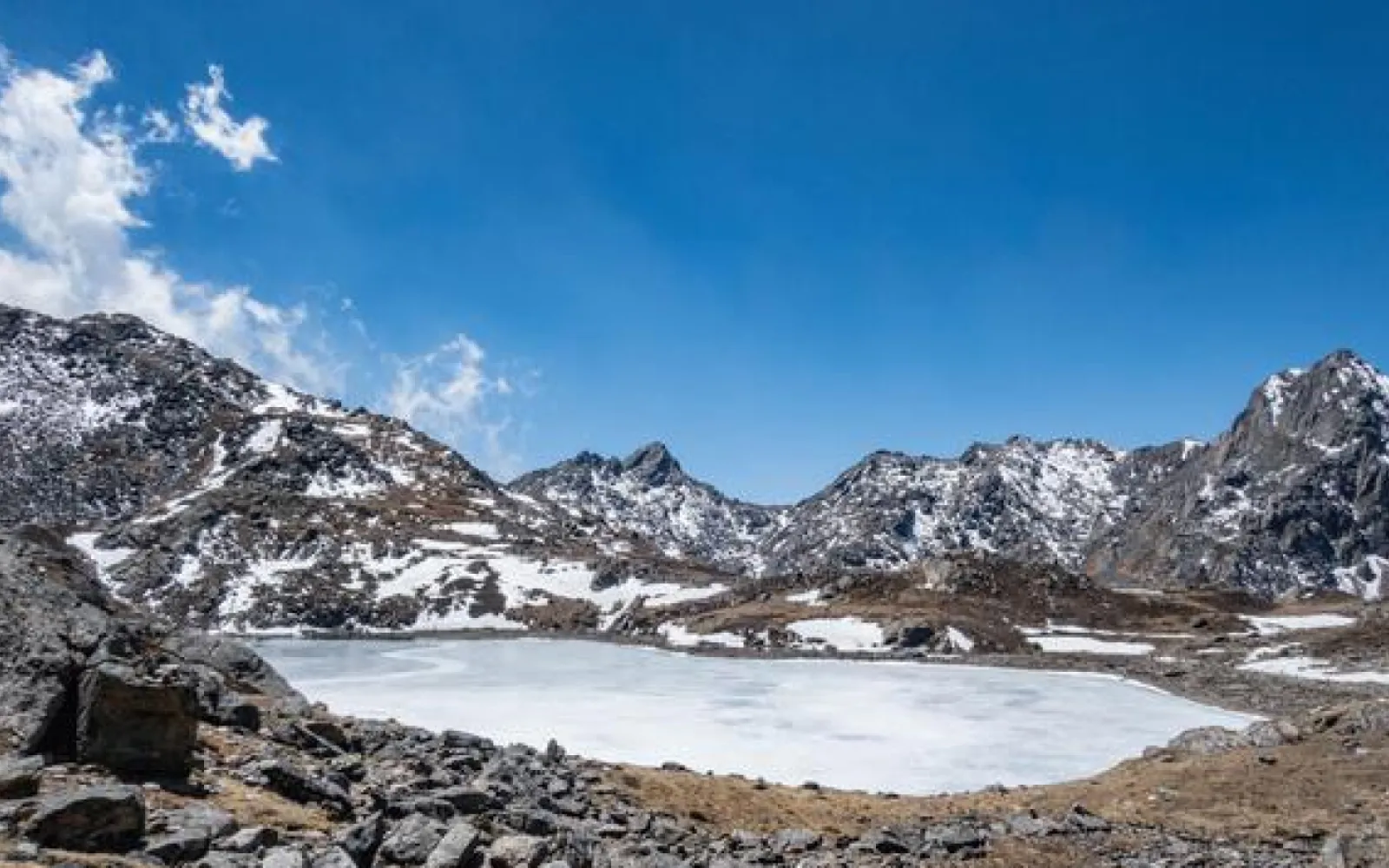
The Langtang Gosaikunda Trek is one of the most beautiful and rewarding trekking adventures in Nepal, offering an unforgettable combination of spectacular Himalayan mountains, sacred alpine lakes, traditional villages, and rich local culture. This 14-day journey takes trekkers through the breathtaking landscapes of the Langtang Valley and the sacred Gosaikunda Lake region, providing an excellent opportunity to experience Nepal's natural beauty and cultural heritage.
Organized by Nepal Everest Trek, this adventure begins in Kathmandu and follows a scenic route through Syabrubesi, Lama Hotel, Langtang Village, and Kyanjin Gompa before reaching the spectacular Tserko Ri viewpoint at approximately 5,000 meters. The journey continues toward Thulo Syabru, Sing Gompa, and the sacred Gosaikunda Lakes before returning to Kathmandu.
The Langtang Gosaikunda Trek is an exciting Himalayan adventure that combines the natural wonders of Langtang National Park with the spiritual atmosphere of the Gosaikunda Lake region. It is an excellent trekking destination for travelers who want to experience stunning mountain scenery, peaceful Himalayan settlements, and authentic Nepalese culture without traveling to the more crowded Everest or Annapurna regions.
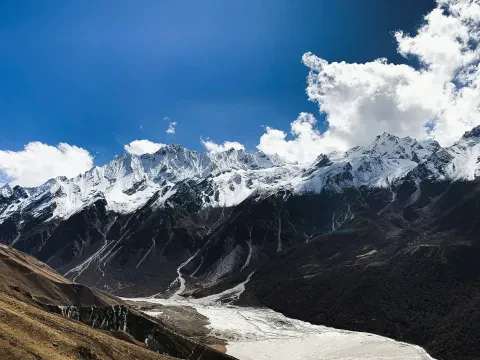
During this 14-day trekking adventure, you will gradually ascend through lush forests, beautiful river valleys, traditional mountain villages, and high-altitude landscapes. The journey offers opportunities to observe local traditions, interact with friendly Tamang communities, visit ancient monasteries, and enjoy breathtaking views of snow-covered Himalayan mountains.
With the professional guidance and travel arrangements of Nepal Everest Trek, trekkers can enjoy a memorable experience while discovering the highlights of both Langtang Valley and Gosaikunda.
Major experiences of this trek include:
The Langtang Gosaikunda Trek is located in the northern part of Nepal, within Langtang National Park in Rasuwa District, Bagmati Province. The trekking region lies close to the Nepal–Tibet border and is approximately 30 kilometers north of Kathmandu in a straight line, although the road journey to the trailhead takes considerably longer.
The adventure generally begins with a scenic drive from Kathmandu to Syabrubesi, the main gateway to the Langtang Valley. From there, the trekking route follows the Langtang River through beautiful forests and traditional settlements before reaching Langtang Village and Kyanjin Gompa. After exploring the surrounding mountains, the trail connects with the Gosaikunda region through Thulo Syabru and Sing Gompa.
Gosaikunda Lake is situated at approximately 4,380 meters above sea level and is surrounded by impressive Himalayan landscapes. This high-altitude lake region is particularly famous for its natural beauty and religious importance among Hindu and Buddhist communities.
Important geographical highlights include:
The Langtang Gosaikunda Trek is an excellent choice for travelers seeking a combination of Himalayan adventure, cultural exploration, and spiritual discovery. Unlike some of Nepal's longer and more commercially developed trekking routes, this journey offers a wonderful opportunity to explore peaceful mountain communities and experience the authentic lifestyle of the Himalayan region.
One of the biggest attractions of this trek is its incredible diversity. Within 14 days, trekkers can explore green forests, beautiful rivers, traditional villages, high mountain viewpoints, ancient monasteries, and sacred alpine lakes. The route also provides spectacular opportunities for photography, nature exploration, and cultural interaction.
Another reason to choose this adventure is its cultural significance. The Langtang region is home to many Tamang communities whose traditions, language, architecture, and Buddhist heritage reflect strong Tibetan cultural influences. Gosaikunda, meanwhile, is an important pilgrimage destination with deep religious significance.
Reasons to choose this trek:
With Nepal Everest Trek, travelers can enjoy organized trekking services, experienced local guides, and assistance throughout the journey.
The Langtang Himalayan region is famous for its magnificent mountain scenery, dramatic valleys, glaciers, and peaceful alpine landscapes. Throughout the trekking journey, travelers are surrounded by towering snow-covered peaks, deep river valleys, and beautiful mountain forests that create an unforgettable Himalayan atmosphere.
Langtang Lirung is one of the most prominent mountains in the region, rising to approximately 7,227 meters. Its impressive snow-covered slopes dominate much of the surrounding landscape. Other notable peaks in the wider region include Langtang Ri, Dorje Lakpa, and Yala Peak, creating spectacular views along different sections of the trekking route.
As you trek from Syabrubesi toward Lama Hotel and Langtang Village, the scenery gradually changes from subtropical forests to alpine environments. Reaching Kyanjin Gompa provides even more impressive mountain views, while the challenging hike to Tserko Ri rewards trekkers with breathtaking panoramic scenery of the surrounding Himalayan peaks and glaciers.
Mountain highlights of the Langtang region include:
The mountain scenery is one of the major reasons why travelers choose this destination. With every step, the landscapes become more dramatic, offering wonderful opportunities to appreciate the beauty and peaceful atmosphere of the Nepalese Himalayas.
Gosaikunda Lake is one of the most beautiful and spiritually significant alpine lake destinations in Nepal. Located at approximately 4,380 meters above sea level in the Langtang region, this spectacular high-altitude lake is surrounded by rugged mountain slopes, rocky landscapes, and snow-covered Himalayan peaks.
According to Hindu mythology, Gosaikunda is believed to have been created by Lord Shiva. The legend says that Lord Shiva struck the mountain with his trident to obtain water after consuming poison during the cosmic event known as Samudra Manthan. The lake is therefore considered sacred by Hindu devotees, particularly those who visit during the Janai Purnima festival.
The Gosaikunda region includes several beautiful alpine lakes, creating a peaceful and extraordinary natural environment. During the trekking journey, visitors can explore the lake surroundings, admire the mountain reflections, enjoy the fresh Himalayan atmosphere, and learn about the religious traditions associated with this sacred destination.
For both nature lovers and spiritual travelers, Gosaikunda offers a unique experience that combines Himalayan beauty with religious significance.
Highlights of exploring Gosaikunda Lakes include:
The visit to Gosaikunda is one of the most memorable experiences of the 14-day Langtang Gosaikunda Trek. With Nepal Everest Trek, travelers can discover this remarkable destination while enjoying a journey filled with mountain adventure, cultural encounters, and unforgettable Himalayan scenery.
One of the most fascinating aspects of the Langtang Gosaikunda Trek is the opportunity to discover the traditional culture and lifestyle of Himalayan communities. The Langtang region is predominantly home to the Tamang people, whose cultural heritage is strongly influenced by Tibetan Buddhism. Their traditional houses, colorful prayer flags, Buddhist monasteries, mani walls, and prayer wheels create a unique cultural atmosphere throughout the trekking journey.
As you walk through villages such as Syabrubesi, Lama Hotel, Langtang Village, and Kyanjin Gompa, you can interact with local families, experience their warm hospitality, and learn about their traditional customs. The wider trekking region also reflects Tibetan cultural influences and Himalayan Buddhist traditions. These cultural encounters provide a deeper understanding of the people who have lived in the mountains for generations.
With Nepal Everest Trek, trekkers can enjoy meaningful cultural experiences while exploring the natural beauty of the Langtang and Gosaikunda regions.
Cultural highlights include:
The Langtang Gosaikunda Trek takes you through several charming Himalayan villages where traditional lifestyles, beautiful mountain scenery, and friendly local communities create an unforgettable experience. Each settlement along the route offers something different, from peaceful riverside villages and forest surroundings to traditional stone houses and spectacular mountain views.
During the journey from Syabrubesi to Lama Hotel, Langtang Village, and Kyanjin Gompa, trekkers can experience the simple lifestyle of mountain communities. Local people traditionally depend on agriculture, livestock farming, tourism, and small businesses for their livelihoods. You can observe yak and sheep herding, traditional farming practices, and the preparation of local meals while enjoying the peaceful atmosphere of the mountains.
The return journey toward Thulo Syabru, Sing Gompa, and Dhunche introduces another beautiful side of Himalayan village life. Traditional teahouses, friendly hosts, and breathtaking landscapes make every stop along the trail special. Nepal Everest Trek provides opportunities to experience these authentic village environments throughout the adventure.
Village and lifestyle highlights include:
Langtang National Park is one of Nepal's most beautiful protected areas, offering incredible biodiversity, diverse landscapes, and spectacular Himalayan scenery. Established in 1976, it is located in the northern part of Nepal and protects forests, rivers, alpine meadows, glaciers, and high mountain ecosystems. The park is an important destination for nature lovers, wildlife enthusiasts, photographers, and trekking adventurers.
During the Langtang Gosaikunda Trek, the trail passes through different ecological zones, beginning with subtropical forests and gradually ascending toward alpine landscapes. Along the way, trekkers can enjoy beautiful rhododendron forests, bamboo groves, oak trees, waterfalls, and mountain streams. During spring, blooming rhododendrons add vibrant colors to the forest surroundings.
The park is also home to several fascinating wildlife species, including the elusive red panda, Himalayan tahr, musk deer, and various bird species. Although wildlife sightings are never guaranteed, trekkers may encounter different animals and birds while walking quietly through the forest trails.
Natural and wildlife highlights include:
For travelers who appreciate nature and wildlife, this national park adds another memorable dimension to the adventure. Nepal Everest Trek invites visitors to explore this beautiful protected region while respecting its natural environment and wildlife conservation efforts.
Kyanjin Gompa is one of the most beautiful and culturally significant destinations in the Langtang Valley. Situated at approximately 3,870 meters above sea level, this traditional Himalayan settlement is surrounded by spectacular snow-covered mountains, glaciers, and alpine landscapes. It is an important stop on the Langtang Gosaikunda Trek and provides an excellent opportunity to experience the spiritual and natural beauty of the region.
The village is particularly famous for its Buddhist monastery, which reflects the strong Tibetan cultural influences of the Langtang region. Visitors can explore the monastery, observe traditional Buddhist practices, and enjoy the peaceful atmosphere of this high-altitude settlement. The surrounding area also offers beautiful views of Langtang Lirung and other impressive Himalayan peaks.
Kyanjin Gompa is also an excellent base for acclimatization and additional hiking adventures. One of the most popular activities is the challenging day hike to Tserko Ri, approximately 5,000 meters above sea level. From this viewpoint, trekkers can enjoy breathtaking panoramic views of the Langtang Himalayan range, glaciers, and surrounding mountain valleys.
Major attractions of Kyanjin Gompa include:
Kyanjin Gompa is undoubtedly one of the highlights of the 14-day adventure. With Nepal Everest Trek, travelers can enjoy time to explore the village, appreciate its cultural heritage, and experience the remarkable Himalayan surroundings.
Lauribina Pass, commonly associated with the Lauribina La crossing on the Gosaikunda trekking route, is one of the spectacular high-altitude sections of the wider Langtang and Gosaikunda region. The area offers dramatic mountain scenery, rugged trails, alpine landscapes, and impressive views of the surrounding Himalayan peaks. It is particularly attractive to adventure seekers who want to experience the natural beauty of Nepal's high mountain environment.
Although the 14-day itinerary described here visits Gosaikunda Lake and returns through Sing Gompa and Dhunche, it does not include a crossing of Lauribina La. The Lauribina La route is generally associated with the trekking connection between Gosaikunda and the Helambu region. Trekkers interested in crossing this pass should consider an alternative itinerary with appropriate route planning.
For those exploring the wider Gosaikunda region, the Lauribina area offers a wonderful opportunity to appreciate the dramatic landscapes surrounding the sacred lakes. The high-altitude environment features rocky mountain trails, beautiful lake views, and breathtaking Himalayan panoramas.
Lauribina region highlights include:
With Nepal Everest Trek, adventure enthusiasts can receive guidance on suitable trekking routes and itinerary options for exploring the wider Langtang and Gosaikunda region safely and comfortably.
Choosing the right season is important for enjoying the natural beauty, mountain views, and cultural experiences of the Langtang Gosaikunda Trek. The best seasons for this adventure are generally spring (March to May) and autumn (September to November). During these periods, the weather is usually more favorable, the skies are clearer, and the mountain views are spectacular. These seasons also offer comfortable trekking conditions for exploring Langtang Valley, Kyanjin Gompa, Tserko Ri, and the sacred Gosaikunda Lakes.
Spring is especially beautiful because the forests become colorful with blooming rhododendrons and other Himalayan flowers. The temperatures are generally pleasant at lower elevations, making it a wonderful time to explore traditional villages and mountain landscapes. Autumn is another excellent season, offering clear skies, fresh mountain air, and excellent visibility of the snow-covered Himalayan peaks. Winter trekking is also possible for experienced and well-prepared trekkers, although snowfall and freezing temperatures can make high-altitude sections challenging. The monsoon season brings heavy rainfall, cloudy mountain views, slippery trails, and possible landslides.
Best seasons for the Langtang Gosaikunda Trek include:
With Nepal Everest Trek, travelers can choose a suitable departure season according to their preferences, trekking experience, and weather conditions to enjoy a memorable Himalayan adventure.
The Langtang Gosaikunda Trek is generally considered a moderate to challenging trekking adventure because of its long walking days, continuous ascents and descents, and high-altitude destinations. The 14-day itinerary includes trekking through Syabrubesi, Lama Hotel, Langtang Village, Kyanjin Gompa, Thulo Syabru, Sing Gompa, and Gosaikunda Lake. The highest point of the itinerary is the Tserko Ri viewpoint at approximately 5,000 meters, which requires good physical fitness and proper acclimatization.
Altitude is one of the biggest challenges of this adventure. As trekkers gradually gain elevation, the amount of available oxygen decreases, increasing the risk of altitude sickness. The hike to Tserko Ri and the overnight stay around Gosaikunda require particular attention to altitude-related symptoms. Trekkers should walk at a comfortable pace, stay hydrated, eat nutritious meals, and communicate any symptoms to their guide. Proper acclimatization and a flexible itinerary are essential for a safer experience.
Physical preparation before the journey can make the trek more comfortable and enjoyable. Regular walking, hiking, cycling, jogging, and stair climbing can help improve endurance and cardiovascular fitness. It is also important to carry appropriate clothing and equipment to manage changing temperatures and weather conditions.
Essential preparation and trekking requirements include:
Having appropriate travel insurance that covers high-altitude trekking and emergency evacuation.
Nepal Everest Trek recommends proper preparation, experienced local guides, and responsible trekking practices to help travelers enjoy this challenging Himalayan adventure safely.
Food and accommodation are important parts of the Langtang Gosaikunda Trek, adding comfort and cultural experiences throughout the journey. Along the trekking route, travelers generally stay in local teahouses and mountain lodges operated by Himalayan families. These accommodations provide basic but welcoming facilities, allowing trekkers to rest, enjoy warm meals, and experience traditional mountain hospitality after a day of walking.
The food available along the trail includes a mixture of traditional Nepalese dishes and simple international meals. Dal Bhat, consisting of rice, lentil soup, vegetables, and pickles, is one of the most popular meals among trekkers because it provides energy for long walking days. Other common options include noodles, soups, fried rice, potatoes, Tibetan bread, momos, porridge, eggs, and tea.
Local hospitality is another special feature of this trekking adventure. The Tamang communities and other Himalayan residents are known for welcoming visitors and sharing their cultural traditions. Staying in family-run teahouses gives travelers an opportunity to interact with local people, learn about their daily lives, and enjoy the peaceful atmosphere of mountain villages.
Food and accommodation highlights include:
With Nepal Everest Trek, travelers receive assistance with accommodation arrangements and meal planning throughout the trekking journey, helping make the experience comfortable and enjoyable.
Responsible trekking is essential for protecting the natural environment and cultural heritage of the Langtang and Gosaikunda regions. These destinations are home to beautiful forests, rare wildlife, alpine lakes, glaciers, and traditional Himalayan communities. As tourism continues to grow, trekkers have an important responsibility to minimize their environmental impact and help preserve these remarkable landscapes for future generations.
During the Langtang Gosaikunda Trek, travelers should follow environmentally friendly practices, including avoiding plastic waste, respecting wildlife, using designated trails, and keeping rivers and lakes clean. Gosaikunda is a sacred destination, so visitors should also respect local religious beliefs, cultural traditions, and pilgrimage practices. Responsible behavior helps maintain the peaceful atmosphere and natural beauty of this important Himalayan region.
Supporting local communities is equally important. Choosing locally operated teahouses, hiring experienced local guides and porters, purchasing local products, and respecting traditional customs help create economic opportunities for mountain residents. These small actions contribute to sustainable tourism and support the livelihoods of families living in remote Himalayan villages.
Responsible trekking practices include:
Nepal Everest Trek encourages responsible and sustainable tourism by promoting environmental awareness, supporting local communities, and encouraging travelers to respect the natural and cultural heritage of Nepal's Himalayan regions.
The Langtang Gosaikunda Trek is a remarkable Himalayan adventure that combines spectacular mountain scenery, beautiful alpine lakes, traditional villages, and rich cultural experiences. This 14-day journey offers an incredible opportunity to explore two of Nepal's most fascinating trekking destinations while discovering the natural beauty and spiritual significance of the Langtang and Gosaikunda regions.
From the scenic drive to Syabrubesi and the beautiful trails of Langtang Valley to the spectacular viewpoint of Tserko Ri, every stage of the journey provides something special. Exploring Kyanjin Gompa, experiencing traditional Tamang culture, walking through Langtang National Park, and visiting the sacred Gosaikunda Lake creates lasting memories for adventure seekers and nature lovers. The combination of mountain landscapes, local hospitality, Buddhist traditions, and sacred pilgrimage sites makes this trek a truly unique experience.
Whether you are interested in Himalayan photography, cultural exploration, nature, spirituality, or challenging mountain adventures, the Langtang Gosaikunda Trek offers a rewarding experience in the heart of Nepal.
Why this journey deserves a place on your trekking bucket list:
With Nepal Everest Trek, you can experience the beauty of the Langtang Gosaikunda region through an organized trekking adventure supported by local knowledge and Himalayan hospitality.
Explore the mountains, discover the sacred lakes, experience the local culture, and make your next Himalayan adventure unforgettable with Nepal Everest Trek!
Our travel experts are ready to assist you with any questions.
Send us a message.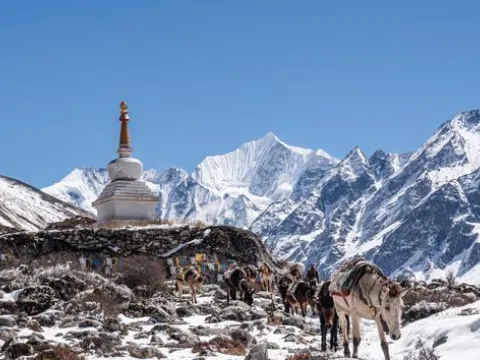
The Langtang Valley Trek is one of Nepal’s most rewarding Himalayan adventures, offering spectacular mountain scenery, traditional Tamang culture, peaceful forests, and beautiful alpine landscapes. Located north of Kathmandu near the Tibetan border, the Langtang region is famous for its snow-capped peaks, glacial valleys, Buddhist monasteries, and welcoming mountain communities.
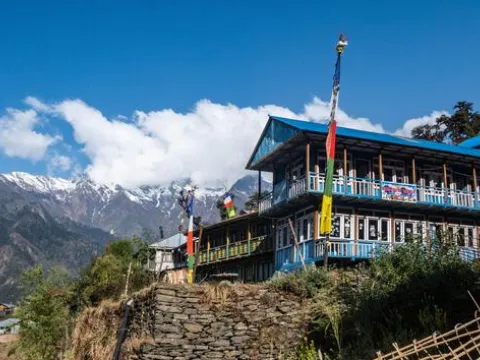
The Tamang Heritage Trail Trek is one of the most rewarding cultural and scenic trekking experiences in Nepal. Located in the beautiful Langtang region, close to the Nepal–Tibet border, this trek offers an excellent opportunity to explore traditional Tamang villages, experience Himalayan hospitality, discover ancient Buddhist traditions, and enjoy spectacular mountain scenery.
Have a question before you book? Send your enquiry below and our travel experts will get back with the required information.