Join our fixed departure treks.  4.9 of 528 reviews
 4.8 of 214 reviews
4.9 of 528 reviews 4.8 of 214 reviews 
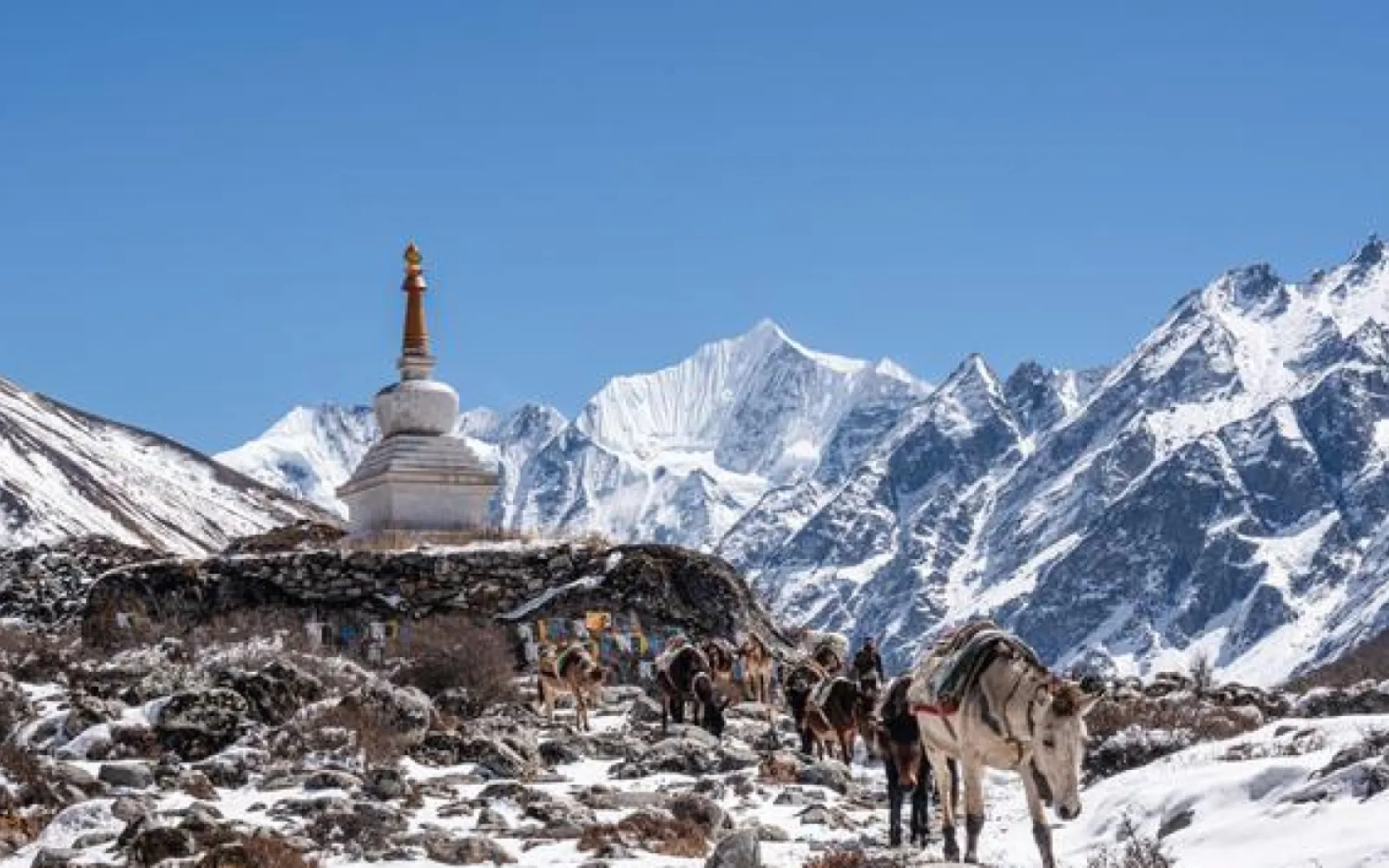
The Langtang Valley Trek is one of Nepal’s most rewarding Himalayan adventures, offering spectacular mountain scenery, traditional Tamang culture, peaceful forests, and beautiful alpine landscapes. Located north of Kathmandu near the Tibetan border, the Langtang region is famous for its snow-capped peaks, glacial valleys, Buddhist monasteries, and welcoming mountain communities. Organized by Nepal Everest Trek, this journey provides an excellent opportunity to explore the natural beauty and cultural heritage of the Himalayas without committing to a long expedition.
This 10-day Langtang Valley Trek combines a scenic drive from Kathmandu to Syabrubesi, several days of trekking through the Langtang National Park, and an exciting high-altitude hike to Tserko Ri. Along the trail, trekkers pass through lush forests, riverside paths, traditional villages, yak pastures, and magnificent mountain viewpoints. The itinerary is suitable for trekkers with a reasonable level of fitness who want to experience the Himalayan wilderness, local traditions, and unforgettable mountain adventures.
The Langtang Valley Trek is a classic trekking route that introduces visitors to the diverse landscapes and rich cultural traditions of Nepal’s central Himalayas. The adventure begins in Kathmandu, where trekkers prepare for their journey before driving north to Syabrubesi, the gateway to the Langtang region. From there, the trail follows beautiful river valleys, crosses forested hillsides, and gradually climbs toward the spectacular alpine scenery surrounding Langtang Village and Kyanjin Gompa.
One of the most memorable aspects of the trek is the opportunity to experience the traditional lifestyle of the Tamang people. Their culture reflects centuries of Himalayan history, with Tibetan-influenced architecture, Buddhist prayer flags, mani walls, monasteries, and local hospitality. As the trail gains elevation, the landscape changes from subtropical forest to alpine meadows and rugged mountain terrain, creating an extraordinary contrast of natural environments within a relatively short trekking holiday.
The journey also includes a challenging excursion to Tserko Ri, a prominent viewpoint near Kyanjin Gompa. At approximately 5,000 meters, this high-altitude hike rewards prepared trekkers with panoramic views of the surrounding Himalayan peaks and glaciers when weather conditions permit. With careful planning and an appropriate pace, the Langtang Valley Trek offers a memorable combination of adventure, nature, culture, and personal achievement.
What makes the journey special?
The Langtang Valley Trek is an excellent choice for travelers seeking a rewarding Himalayan experience close to Kathmandu. Compared with some of Nepal’s longer trekking routes, Langtang offers an opportunity to reach dramatic mountain scenery within a relatively short holiday. Its combination of forest trails, traditional settlements, glacial landscapes, and high-altitude viewpoints makes it appealing to both first-time Himalayan trekkers with good preparation and experienced hikers looking for a culturally rich adventure.
Another reason to choose Langtang is its distinctive cultural atmosphere. The region is home to Tamang communities whose traditions, architecture, food, and Buddhist practices contribute to the character of the trail. Trekkers can spend time in local teahouses, learn about mountain life, visit monasteries, and appreciate the relationship between the local communities and their natural surroundings. Traveling with Nepal Everest Trek can help organize transportation, trekking logistics, accommodation, and guiding arrangements so that visitors can focus on enjoying the experience.
The trek also offers a satisfying physical challenge. Although much of the route follows established trails, the increasing elevation requires steady pacing and sensible acclimatization. The ascent to Tserko Ri is particularly demanding because of its altitude and length. Trekkers who prepare through regular walking, hiking, and cardiovascular exercise can enjoy the adventure more comfortably while allowing sufficient time for rest and recovery.
Top reasons to choose this trek:
The Langtang Valley Trek features a remarkable variety of landscapes and experiences. The journey starts with a drive through the hills north of Kathmandu before entering the green river valleys and forests surrounding Syabrubesi. As trekkers follow the trail toward Lama Hotel, Langtang Village, and Kyanjin Gompa, the scenery gradually becomes more dramatic, with towering mountains, rocky slopes, open pastures, and views of glaciers.
Kyanjin Gompa is one of the principal highlights of the itinerary. Surrounded by impressive Himalayan scenery, this settlement provides a wonderful place to explore local culture, rest after the ascent, and prepare for the high-altitude excursion to Tserko Ri. The viewpoint hike is often the physical highlight of the trek, offering expansive mountain vistas to those who reach the summit area in suitable weather. The descent then retraces the trail through the valley, providing another opportunity to appreciate the region’s natural beauty.
Beyond the mountain views, the trek is equally memorable for its quieter experiences. Walking beside rivers, listening to the sounds of the forest, seeing prayer flags flutter in the mountain breeze, and sharing meals in local teahouses create a deeper connection with the Himalayas. These moments make Langtang a destination for more than just scenic photography; it is also an opportunity to appreciate the environment and communities that make the region special.
Major highlights include:
Choosing the right season can significantly improve your Langtang Valley Trek experience. Spring and autumn are generally considered the best periods because they often provide favorable trekking conditions, comfortable daytime temperatures, and excellent mountain visibility. However, weather in the Himalayas can change quickly, and conditions vary with altitude, so trekkers should always prepare for cold temperatures, wind, rain, or snow.
Spring, from March to May, is especially attractive for those who enjoy flowering landscapes and fresh mountain scenery. Lower and middle elevations may feature blooming rhododendrons and other alpine vegetation, while the higher reaches remain cold. Autumn, from September to November, is another popular season, with generally clearer skies after the monsoon and favorable conditions for enjoying distant Himalayan views. These months are often ideal for photography and trekking, although popular periods can be busier on the trail.
Winter, from December to February, can bring snow, icy paths, and very cold nights, especially around Kyanjin Gompa and on the Tserko Ri ascent. The monsoon season, generally from June to August, often brings heavy rainfall, cloudy views, muddy trails, and an increased risk of landslides on the road and trekking route. Trekking is possible outside the main seasons with suitable preparation, but the weather, trail conditions, transportation, and availability of accommodation should be assessed before departure.
Seasonal trekking guide:
Our recommendation: For most trekkers, March to May or late September to November is a sensible starting point when planning the Langtang Valley Trek with Nepal Everest Trek. Before departure, check the current weather forecast, road conditions, local trail reports, and any applicable park or trekking requirements.
The 10-day Langtang Valley Trek itinerary is designed to take you from Kathmandu into the heart of the Langtang region, with time to experience the local culture, natural landscapes, and high-altitude mountain scenery. The journey includes a road transfer to Syabrubesi, a gradual approach through the valley, an excursion to Tserko Ri, and a return to Kathmandu.
The trek follows an established route through Lama Hotel, Langtang Village, and Kyanjin Gompa before retracing the trail toward Syabrubesi. Daily walking times are approximate and can vary according to weather, trail conditions, individual fitness, rest breaks, and acclimatization needs. Because the Tserko Ri hike reaches approximately 5,000 meters, trekkers should walk at a comfortable pace and be prepared to adjust the plan if altitude-related symptoms or unfavorable conditions arise.
Day 1: Arrival in Kathmandu (1,300 m) and Transfer to Hotel
Welcome to Kathmandu, Nepal’s vibrant capital and the starting point of your Langtang Valley adventure. Upon arrival at Tribhuvan International Airport, transfer to your hotel and settle in after your journey. Depending on your arrival time, you may have an opportunity to explore the surrounding streets, experience Nepalese hospitality, or enjoy your first traditional Nepali meal.
Later, meet your trekking representative or guide to discuss the itinerary, check essential equipment, and review the arrangements for the journey ahead. This is a good opportunity to purchase any last-minute supplies and prepare for the road trip to Syabrubesi. Rest well and stay hydrated before beginning the trekking adventure.
Day highlights:
Day 2: Drive from Kathmandu to Syabrubesi (1,550 m / 5,085 ft) – 7–8 Hours
After breakfast, begin the scenic drive from Kathmandu toward Syabrubesi, the gateway to the Langtang Valley. The road passes through hillside settlements, terraced farmland, river valleys, and small towns, offering an introduction to rural life in Nepal. Along the way, you can observe the changing landscape as the route moves north toward the Himalayan foothills.
The journey usually takes around seven to eight hours, although road conditions, traffic, weather, and stops can affect the total travel time. After reaching Syabrubesi, check into your lodge, organize your trekking equipment, and prepare for the first day on the trail. Enjoy a relaxed evening and get enough rest before the walk toward Lama Hotel.
Day highlights:
Day 3: Trek to Lama Hotel (2,380 m / 7,808 ft) – 6 Hours
Begin the trekking portion of the journey after breakfast in Syabrubesi. The trail follows the Langtang River through forested terrain, crossing suspension bridges and winding through peaceful sections of the valley. The route includes gradual climbs and descents, with shaded paths beneath oak, pine, and other mountain vegetation.
As you continue toward Lama Hotel, the surrounding environment becomes increasingly quiet and immersed in nature. Along the trail, you may encounter local settlements, fellow trekkers, and opportunities to pause beside the river. After approximately six hours of walking, arrive at Lama Hotel and settle into your teahouse. Enjoy a warm meal and rest before the next day’s ascent.
Day highlights:
Day 4: Trek from Lama Hotel to Langtang Village (3,430 m / 11,253 ft) – 7 Hours
After breakfast, continue climbing through the Langtang Valley toward Langtang Village. The trail passes through dense forests and gradually opens to more expansive mountain scenery as you gain elevation. Depending on the season and conditions, you may see waterfalls, flowering vegetation, mountain birds, and glimpses of surrounding peaks.
As you approach Langtang Village, the landscape becomes more open, with traditional buildings, cultivated areas, and mountain views becoming more prominent. The village is an important cultural stop where visitors can learn about the resilience and traditions of the local Tamang community. After approximately seven hours of trekking, check into your accommodation, enjoy dinner, and rest at the higher altitude.
Day highlights:
Day 5: Trek from Langtang Village to Kyanjin Gompa (3,870 m / 12,696 ft) – 3 Hours
Today’s trek takes you from Langtang Village to Kyanjin Gompa, one of the most scenic settlements in the region. The relatively short walking day follows open trails through alpine terrain, traditional settlements, and areas surrounded by dramatic mountain slopes. As you gain elevation, the landscape becomes more rugged, with broad views of the surrounding Himalayan peaks.
After approximately three hours, arrive at Kyanjin Gompa and settle into your teahouse. Depending on the weather and how you feel, you may have time to explore the settlement, visit its Buddhist monastery, or take a gentle walk nearby. Use the afternoon to rest, hydrate, and prepare for the demanding Tserko Ri hike the following day. Although the walking distance is shorter, the altitude makes it important to avoid unnecessary exertion.
Day highlights:
Day 6: Hike from Kyanjin Gompa to Tserko Ri and Return (Approximately 5,000 m / 16,404 ft) – 8–9 Hours
Today is the major hiking challenge of the Langtang Valley Trek. Start early from Kyanjin Gompa and ascend toward Tserko Ri, a renowned viewpoint overlooking the surrounding Himalayan landscape. The route climbs through exposed alpine terrain and becomes increasingly demanding as the altitude rises. A steady pace, suitable clothing, adequate water, and careful attention to how your body responds are essential.
If weather and conditions are favorable, the upper viewpoint offers sweeping views of snow-covered mountains, glacial terrain, and the dramatic Langtang range. Spend some time enjoying the scenery before descending carefully to Kyanjin Gompa. The round trip usually takes approximately eight to nine hours, although the duration varies according to fitness, acclimatization, snow, and trail conditions. If you develop symptoms of altitude sickness, do not continue upward; descend and seek appropriate assistance.
Day highlights:
Day 7: Trek from Kyanjin Gompa to Lama Hotel (2,380 m / 7,808 ft) – 6–7 Hours
After breakfast, begin the return journey from Kyanjin Gompa toward Lama Hotel. The trail descends through the alpine landscape and retraces the route past familiar mountain scenery, settlements, and forested sections of the Langtang Valley. Walking downhill can be easier on your breathing than ascending, but it can place considerable strain on your knees, so trekking poles may be helpful.
As you lose elevation, the vegetation becomes greener and the air gradually warmer. Take time to enjoy the landscape from a different perspective and stop for refreshments along the way. After approximately six to seven hours of walking, arrive at Lama Hotel and settle into your accommodation. A relaxed evening and a good meal will help you recover from the long trekking day.
Day highlights:
Day 8: Trek from Lama Hotel to Syabrubesi (1,550 m / 5,085 ft) – 6–7 Hours
Today, continue descending through the forested Langtang Valley toward Syabrubesi. The trail follows familiar sections of the route, with river views, suspension bridges, and shaded woodland paths. Although the elevation loss makes the air feel more comfortable, the walk still requires care because some sections may be uneven, rocky, or slippery.
Arrive in Syabrubesi after approximately six to seven hours of trekking, depending on your pace and trail conditions. Once there, enjoy a well-earned rest and reflect on the highlights of the journey, from traditional villages to the spectacular views around Kyanjin Gompa and Tserko Ri. Prepare your belongings for the drive back to Kathmandu the following day.
Day highlights:
Day 9: Drive from Syabrubesi to Kathmandu (Approximately 1,380 m / 4,528 ft) – 8–9 Hours
After breakfast, leave Syabrubesi and drive back to Kathmandu. The return journey follows mountain roads through rural settlements, terraced hillsides, and river valleys before reaching the capital. The drive typically takes eight to nine hours, but traffic, roadwork, weather, and other local conditions may extend the journey.
Upon arrival in Kathmandu, transfer to your hotel and enjoy some time at leisure. You may wish to explore the city, shop for souvenirs, or enjoy a farewell dinner celebrating the completion of your Langtang Valley adventure. This is also an opportunity to rest before your international departure.
Day highlights:
Day 10: Final Departure
Your Langtang Valley Trek concludes today. Depending on your flight schedule, enjoy breakfast at your hotel and take some final moments to reflect on the mountain landscapes, cultural encounters, and memorable experiences from your journey. When it is time to leave, arrange your transfer to Tribhuvan International Airport for your onward flight.
The team at Nepal Everest Trek hopes you depart with lasting memories of Nepal’s beautiful Himalayas and warm hospitality. If you have additional time in Nepal, you may consider extending your holiday with a cultural sightseeing tour, a wildlife excursion, or another trekking adventure.
Day highlights:
Important Itinerary Notes
The Langtang Valley Trek is generally considered a moderate to challenging Himalayan trekking adventure, making it suitable for travelers with a reasonable level of fitness and a willingness to walk for several hours each day. Organized by Nepal Everest Trek, this 10-day journey takes you through forested trails, traditional mountain villages, alpine landscapes, and spectacular Himalayan viewpoints. Although the main trekking route does not require technical climbing skills, the changing terrain, steep ascents and descents, and increasing altitude make proper preparation essential.
The most physically demanding part of the itinerary is the hike from Kyanjin Gompa to Tserko Ri, which reaches approximately 5,000 meters (16,404 feet). This excursion involves a long day of uphill walking at high altitude, where reduced oxygen levels can make even moderate physical activity feel difficult. Trekkers should prepare with regular hiking, walking, stair climbing, and cardiovascular exercise before departure. Walking slowly, staying hydrated, eating adequately, and allowing sufficient rest are important throughout the journey.
The duration of the trek can vary depending on weather, trail conditions, individual fitness, and the pace of the group. Your itinerary includes two long road journeys between Kathmandu and Syabrubesi, several days of trekking, and a full day for the Tserko Ri excursion. Travelers should remain flexible because road delays, altitude-related symptoms, or unfavorable weather may require adjustments to the schedule.
Key difficulty and duration details:
With thoughtful preparation and a responsible pace, the Langtang Valley Trek can be a rewarding experience for adventurous travelers. Nepal Everest Trek can help you prepare for the journey by providing itinerary guidance, practical packing advice, and information about the physical demands of each trekking day.
Before starting the Langtang Valley Trek, travelers must arrange the applicable entry permits and comply with the current regulations for Langtang National Park. These requirements help support conservation efforts, protect the natural environment, and regulate visitor access to the region. Since permit rules, fees, and procedures may change, trekkers should confirm the latest requirements with the relevant authorities or Nepal Everest Trek before departure.
The principal requirement is generally the Langtang National Park entry permit, which allows visitors to enter the protected area along the trekking route. Depending on the regulations in effect at the time of travel, additional documentation or trekking-related requirements may apply. Travelers should carry their passport and relevant permit documents throughout the trek, as officials may request to see them at designated checkpoints.
It is also important to understand that entry permits and guide requirements are separate matters. Rules concerning independent trekking, registered guides, and any applicable local requirements should be checked before traveling. Nepal Everest Trek can assist with understanding the necessary arrangements and ensuring that the relevant documentation is prepared in advance.
Important permit information:
Preparing permits before the trek helps reduce unnecessary delays and allows you to focus on enjoying the Himalayan scenery and cultural experiences. For the most reliable information, verify current requirements with the Nepal Tourism Board, the Department of National Parks and Wildlife Conservation, or the appropriate local authorities before departure.
The Langtang Valley Trek begins in Kathmandu, the capital of Nepal, which serves as the main gateway for travelers visiting the Langtang region. Most international visitors arrive at Tribhuvan International Airport and transfer to a hotel in the city. After meeting the trekking team, checking equipment, and preparing the necessary documentation, the journey continues by road toward Syabrubesi, the starting point of the main trekking route.
The drive from Kathmandu to Syabrubesi generally takes around 7–9 hours, although your itinerary allows approximately 7–8 hours for the outward journey. The road passes through towns, rural settlements, terraced hillsides, and scenic river valleys before reaching the Langtang region. Travel time can vary considerably depending on road conditions, traffic, construction, weather, and seasonal disruptions. A private vehicle may offer greater flexibility, while shared transportation can be a more economical alternative when available.
Once you arrive in Syabrubesi, the trekking portion of the adventure begins. From here, the route continues on foot through the Langtang Valley toward Lama Hotel, Langtang Village, and Kyanjin Gompa. After completing the trek and returning to Syabrubesi, you travel back to Kathmandu by road. Organizing transportation in advance with Nepal Everest Trek can make the journey more convenient and help you plan around road conditions and your overall travel schedule.
Transportation options for reaching Langtang Valley:
For a comfortable experience, consider allowing some flexibility in your schedule, particularly during the monsoon season or periods of road construction. Nepal Everest Trek can assist with transportation planning, hotel arrangements, and coordination of the trekking itinerary so you can begin your Himalayan adventure with greater confidence.
Langtang National Park is one of Nepal's remarkable protected areas, known for its diverse ecosystems, dramatic mountain scenery, rich biodiversity, and peaceful Himalayan valleys. Established in 1976, the park encompasses a wide range of elevations, from forested lower valleys to rugged alpine landscapes and high mountain terrain. The Langtang Valley Trek offers an opportunity to experience this diversity while following established trails through riverside forests, traditional settlements, open pastures, and spectacular mountain surroundings.
As you trek from Syabrubesi toward Kyanjin Gompa, the landscape changes gradually with increasing elevation. Lower sections feature lush vegetation, flowing rivers, and forests containing oak, pine, and rhododendron. Higher up, the forest becomes less dense and gives way to alpine meadows, rocky slopes, glacial terrain, and expansive views of the surrounding Himalayan peaks. During spring, rhododendron blooms can add vibrant colors to parts of the trail, while autumn often brings excellent opportunities for mountain photography when the skies are clear.
The park is also home to a variety of wildlife, including Himalayan tahr, musk deer, red pandas, and numerous bird species. However, sightings are never guaranteed, as many animals are shy and inhabit remote or densely forested areas. Trekkers can help protect this fragile environment by staying on established trails, avoiding litter, respecting wildlife, and following local conservation guidelines. The natural beauty of Langtang is not limited to its highest viewpoints; the quiet forests, rushing rivers, and changing mountain landscapes make every section of the journey memorable.
Natural highlights of Langtang National Park:
With Nepal Everest Trek, travelers can experience the natural diversity of Langtang while learning about responsible trekking practices. Respecting local conservation measures and minimizing environmental impact helps preserve this extraordinary Himalayan destination for future generations.
One of the most meaningful aspects of the Langtang Valley Trek is the opportunity to experience the traditions and hospitality of the Tamang communities. The Langtang region has a strong Tibetan cultural influence, reflected in its language, architecture, Buddhist practices, traditional clothing, food, and community life. As you walk through villages along the trekking route, you can observe how local people maintain their cultural heritage while adapting to the challenges and opportunities of life in the mountains.
Throughout the journey, trekkers may encounter Buddhist monasteries, colorful prayer flags, carved mani stones, and walls engraved with sacred Buddhist inscriptions. These features are important elements of the region's spiritual landscape. Kyanjin Gompa is a particularly memorable place to appreciate the connection between Himalayan culture and the surrounding mountains. Visitors should approach religious sites respectfully, follow local guidance, and ask permission before photographing people or private ceremonies.
Local teahouses also provide opportunities to experience everyday Himalayan hospitality. Meals may include dal bhat, noodle soups, Tibetan-style bread, momos, and other regional dishes, depending on the establishment and available ingredients. Sharing a meal, speaking with local hosts, and learning about village life can provide valuable insight into the region beyond its natural scenery. The Langtang area was severely affected by the 2015 earthquake, and its communities have continued rebuilding and welcoming visitors. Responsible tourism can contribute to local livelihoods by supporting family-run lodges, local guides, and small businesses.
Cultural experiences along the Langtang Valley Trek:
Traveling with Nepal Everest Trek offers an opportunity to appreciate both the natural and cultural dimensions of the Langtang region. By respecting local traditions, choosing responsible tourism services, and engaging thoughtfully with the communities you visit, you can help make your Himalayan adventure more meaningful for both visitors and residents.
The Langtang Valley Trek is a wonderful opportunity to explore Nepal's diverse Himalayan landscapes, from lush forests and flowing rivers to alpine meadows, rugged mountain slopes, and snow-covered peaks. Located within Langtang National Park, the region offers a remarkable variety of natural environments along a relatively compact trekking route. As you travel from Syabrubesi toward Lama Hotel, Langtang Village, and Kyanjin Gompa, the scenery changes with elevation, creating an unforgettable experience for nature lovers, photographers, and outdoor enthusiasts.
The lower sections of the trail pass through forested valleys where oak, pine, bamboo, and rhododendron vegetation can be found in suitable habitats. These forests provide shelter for numerous bird species and other wildlife. Lucky trekkers may spot Himalayan tahr, musk deer, or signs of red pandas, although sightings are never guaranteed because many animals are elusive and live in remote areas. The sounds of flowing water, birdsong, and wind moving through the trees add to the peaceful atmosphere of the journey.
As the trail climbs higher, the dense forests gradually give way to open alpine terrain and dramatic mountain scenery. Around Kyanjin Gompa, trekkers can enjoy expansive views of surrounding peaks, rocky ridges, and glacial landscapes. The excursion to Tserko Ri provides an opportunity to appreciate the grandeur of the Langtang Himalayas from a high viewpoint, weather permitting. These changing landscapes make every stage of the trek special, whether you are enjoying a quiet forest walk or taking in a panoramic mountain view.
Wildlife and natural highlights of Langtang Valley:
With Nepal Everest Trek, travelers can discover the natural beauty of Langtang Valley while following responsible trekking practices. Staying on established trails, avoiding litter, keeping a respectful distance from wildlife, and following park regulations help protect the fragile Himalayan ecosystem for future generations.
Accommodation on the Langtang Valley Trek is generally provided by local teahouses and mountain lodges along the trekking route. These establishments offer a practical and welcoming place to rest after a day of walking. Most rooms are simple and may include twin beds, mattresses, pillows, and blankets, although facilities and comfort levels vary between villages and individual lodges. Bathrooms may be shared, and hot showers, charging facilities, and Wi-Fi may be available for an additional fee or may be limited in more remote locations.
In Kathmandu, trekkers typically stay in a hotel before and after the journey. Once the trek begins, accommodation becomes simpler as the route moves farther into the mountains. At popular stops such as Lama Hotel, Langtang Village, and Kyanjin Gompa, teahouses provide basic rooms and communal dining areas where travelers can relax, enjoy warm meals, and interact with other trekkers. During busy spring and autumn periods, arranging accommodation in advance can help reduce uncertainty, particularly for groups.
Food during the Langtang Valley Trek usually includes a mixture of traditional Nepali dishes and familiar international options. Dal bhat, consisting of rice, lentil soup, vegetables, and sometimes additional accompaniments, is a common meal that provides energy for long trekking days. Other options may include noodle soup, fried rice, pasta, potatoes, eggs, Tibetan-style bread, pancakes, momos, and porridge. Availability varies by lodge and altitude, so it is helpful to remain flexible with meal choices.
Staying hydrated and eating regularly are important throughout the trek, especially as you gain altitude. Hot drinks such as tea, ginger tea, and hot lemon are commonly available, while safe drinking water can be obtained through appropriate treatment, filtration, or verified purification methods. Trekkers should carry a reusable water bottle and avoid relying on untreated water from streams or rivers.
Accommodation and food highlights:
Travelers should expect more basic facilities at higher elevations and understand that availability can change with weather and supply conditions. Nepal Everest Trek can help coordinate accommodation and meal arrangements according to the itinerary, group size, and available services along the route.
The cost of the Langtang Valley Trek depends on several factors, including the duration of the trip, group size, transportation arrangements, accommodation standards, guide and porter services, meals, permits, and the season of travel. Compared with some longer Himalayan expeditions, Langtang can be a relatively accessible trekking destination because it begins with a road journey from Kathmandu rather than requiring a domestic flight. However, the final budget depends on the level of comfort and support you choose.
For a typical 10-day itinerary, the main expenses may include hotel accommodation in Kathmandu, transportation between Kathmandu and Syabrubesi, teahouse accommodation during the trek, meals, trekking staff, applicable park permits, and logistical support. Private transportation generally costs more than shared transport, while hiring a porter can increase the package price but reduce the physical burden of carrying a heavy backpack. Additional expenses may include travel insurance, personal trekking equipment, snacks, hot showers, charging devices, Wi-Fi, tips, and emergency arrangements.
As a general planning estimate, a guided Langtang Valley Trek may cost approximately US$600–US$1,200 per person for a 10-day trip, depending on group size, inclusions, transportation, and service standards. This is an indicative range rather than a confirmed quotation from Nepal Everest Trek. Independent trekkers may spend less on some arrangements, while private trips with additional comfort or more extensive support can cost more. Current prices should always be confirmed before booking.
To manage your budget effectively, review the package inclusions carefully. Ask whether transportation, accommodation, meals, permits, guide services, porter services, and airport transfers are included. Comparing the total value of different packages is more useful than selecting an itinerary based only on the lowest advertised price.
Main expenses to consider:
Booking with Nepal Everest Trek allows you to discuss your preferred travel style, group size, and budget before finalizing the itinerary. Request a detailed quotation that clearly explains included and excluded services so you can estimate the total cost and avoid unexpected expenses during the journey.
Packing appropriately for the Langtang Valley Trek is essential because temperatures, weather, and trail conditions can change significantly as you gain elevation. Lower sections of the route may be relatively warm during the day, while evenings and mornings at Langtang Village and Kyanjin Gompa can be cold. The Tserko Ri excursion reaches approximately 5,000 meters, where wind, low temperatures, snow, and rapidly changing weather may create challenging conditions.
The most effective approach is to dress in layers that can be added or removed according to conditions. Moisture-wicking base layers help keep you comfortable during uphill walking, insulating mid-layers provide warmth, and a waterproof, wind-resistant outer shell protects against rain, snow, and wind. Good trekking boots with reliable grip are particularly important for uneven trails and steep sections. Trekking poles can also help improve stability and reduce stress on your knees during long descents.
Your backpack should contain the essentials for each day without becoming unnecessarily heavy. Carry drinking water, snacks, sun protection, a first-aid kit, personal medication, and extra clothing for changing conditions. A warm sleeping bag may be useful depending on the season and the bedding provided by teahouses. Electronics such as a phone, camera, headlamp, and power bank can also be helpful, but remember that charging options may be limited in remote villages.
Before departure, check your equipment and ensure that your boots are comfortable and properly broken in. Nepal Everest Trek can provide additional packing guidance based on the season, expected weather, group arrangements, and whether you plan to hire a porter.
Essential clothing:
Essential trekking equipment:
Additional items for the Tserko Ri hike:
Avoid packing unnecessary items, as carrying excess weight can make long trekking days more tiring. Keep essential documents, medication, valuables, and weather-sensitive electronics protected and accessible. A well-planned packing list helps you stay comfortable, safe, and prepared for the varied conditions of the Langtang Valley.
Safety should be a priority throughout the Langtang Valley Trek, particularly because the route climbs to high elevations and includes a demanding excursion to Tserko Ri. Although the main trail is an established trekking route, hikers may encounter steep paths, uneven ground, slippery sections, cold temperatures, and rapidly changing weather. Proper preparation, suitable equipment, sensible decision-making, and attention to local guidance can help reduce risks throughout the journey.
Altitude is one of the most important considerations. The itinerary reaches Kyanjin Gompa at approximately 3,870 meters before the ascent toward Tserko Ri at approximately 5,000 meters. Acute mountain sickness can affect trekkers regardless of their age, fitness, or previous trekking experience. Common symptoms include headache, nausea, dizziness, fatigue, and reduced appetite. If symptoms develop, stop ascending and inform your guide or trekking companions. Worsening symptoms require immediate descent and medical assessment; confusion, difficulty walking straight, or breathlessness at rest are emergency warning signs.
Weather and trail conditions also require careful attention. Rain can make paths slippery, while snow and ice can increase the difficulty of the Tserko Ri ascent. Landslides or road disruptions may affect transportation during the monsoon season. Start hikes early when appropriate, check the forecast, carry suitable clothing, and be prepared to change your plans if conditions become unsafe. Never feel pressured to reach a viewpoint when your health or the weather makes continuing dangerous.
Travelers should also prepare for limited facilities in remote areas. Mobile coverage, internet access, electricity, and medical services may be unreliable or unavailable in some locations. Carry sufficient cash, keep emergency contacts accessible, and obtain travel insurance that specifically covers trekking at your intended altitude and emergency helicopter evacuation where available. Discuss emergency procedures with your guide before beginning the trek.
Essential safety tips:
Responsible Travel Advice from Nepal Everest Trek
Before beginning the trek, make sure your itinerary, transportation, permits, accommodation, and trekking support are properly organized. Inform your guide about any relevant health concerns, dietary needs, or previous difficulties with altitude. Travelers with pre-existing medical conditions should seek professional medical advice before attempting a high-altitude trek.
Respecting local communities and the natural environment is also part of responsible travel. Avoid littering, use reusable water containers where practical, ask permission before photographing people, and follow local customs at monasteries and religious sites. Support local teahouses and businesses whenever possible, and follow your guide's instructions around wildlife and environmentally sensitive areas.
With sensible preparation and a flexible attitude, the Langtang Valley Trek can be a safe and memorable Himalayan adventure. Nepal Everest Trek encourages trekkers to prioritize health, responsible travel, and enjoyment of the journey rather than focusing only on reaching the highest viewpoint.
Our travel experts are ready to assist you with any questions.
Send us a message.Have a question before you book? Send your enquiry below and our travel experts will get back with the required information.