Join our fixed departure treks.  4.9 of 528 reviews
 4.8 of 214 reviews
4.9 of 528 reviews 4.8 of 214 reviews 
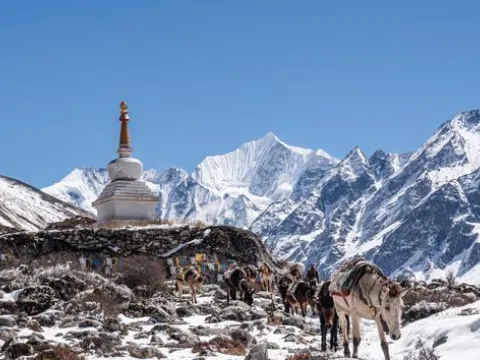
The Tamang Heritage Trail Trek is one of the most rewarding cultural and scenic trekking experiences in Nepal. Located in the beautiful Langtang region, close to the Nepal–Tibet border, this trek offers an excellent opportunity to explore traditional Tamang villages, experience Himalayan hospitality, discover ancient Buddhist traditions, and enjoy spectacular mountain scenery. Unlike some of Nepal's more crowded trekking routes, the Tamang Heritage Trail provides a peaceful journey through authentic mountain communities and beautiful natural landscapes.
Organized by Nepal Everest Trek, this 10-day adventure combines cultural exploration, moderate trekking, mountain views, and comfortable teahouse accommodation. The journey begins in Kathmandu and continues by road to Syabrubesi, where the trekking adventure starts. Along the way, trekkers visit traditional settlements such as Gatlang, Tatopani, Thuman, and Briddhim before returning to Syabrubesi and Kathmandu.
The trek is particularly suitable for travelers who want to experience Nepalese culture alongside Himalayan adventure without undertaking an extremely demanding high-altitude expedition.
The Tamang Heritage Trail Trek is a unique Himalayan journey that introduces visitors to the traditional lifestyle, culture, and heritage of the Tamang people. The Tamang community has a long history in the Himalayan region and shares strong cultural connections with Tibetan traditions. Their language, architecture, Buddhist practices, festivals, traditional clothing, and daily activities make this region especially fascinating for cultural travelers.
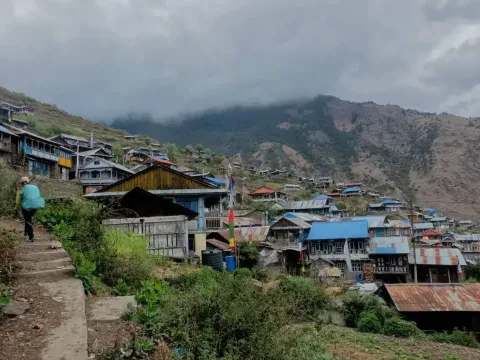
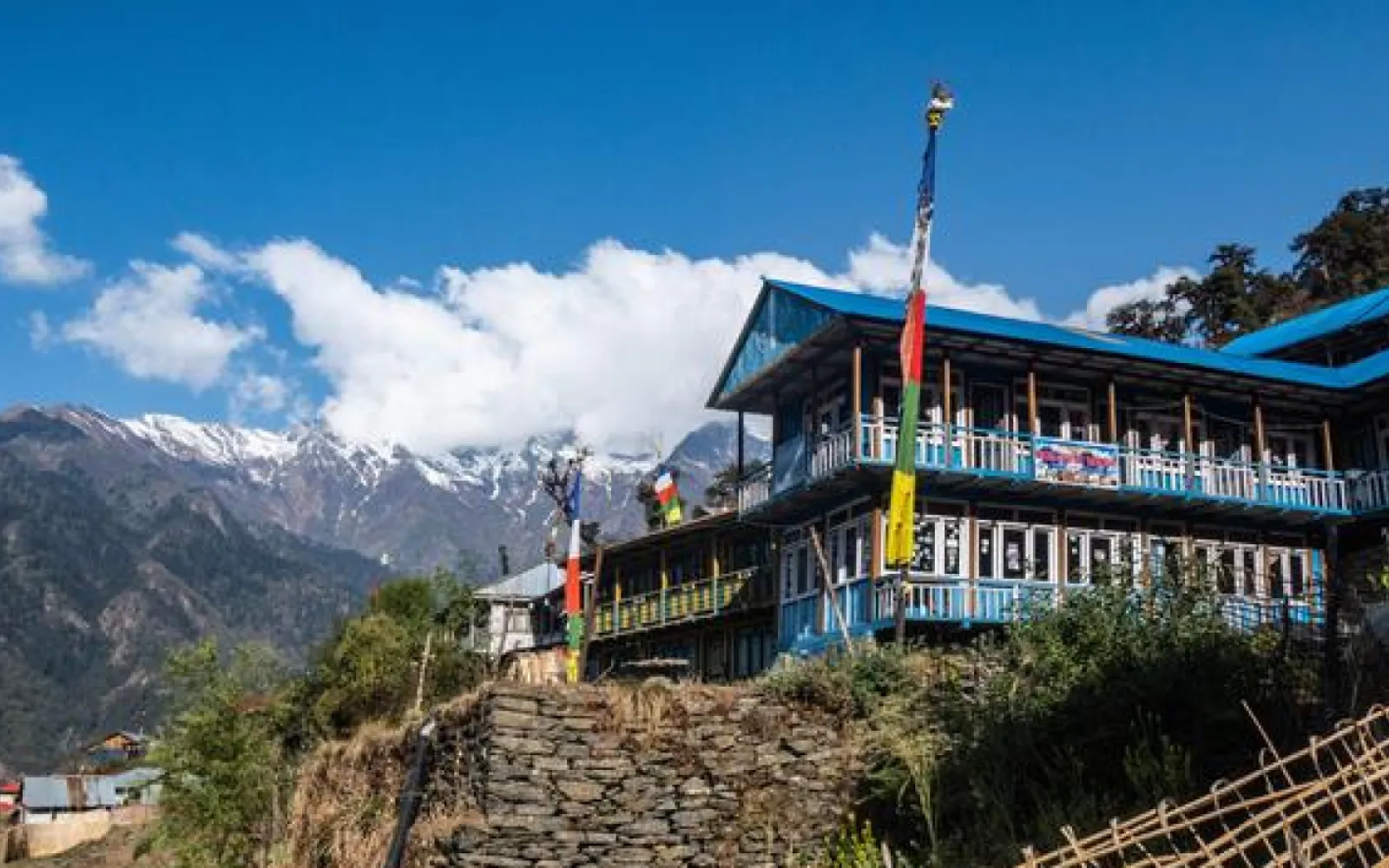
During the trek, visitors walk through beautiful villages surrounded by green hills, terraced farmland, forests, and snow-covered mountain landscapes. Traditional stone houses, colorful prayer flags, Buddhist monasteries, chortens, and mani walls create a memorable atmosphere throughout the journey. Trekkers can also interact with local families and learn about their agricultural practices, traditional food, and mountain lifestyle.
Another special attraction is the opportunity to experience natural hot springs at Tatopani. After several hours of trekking, travelers can relax in the warm water and enjoy a peaceful mountain environment. The viewpoint at Nagthali Bhyang is another major highlight, offering beautiful panoramic views of the surrounding Himalayan peaks.
Why this trek is special:
With Nepal Everest Trek, travelers can enjoy an organized trekking experience with experienced guides, comfortable teahouse accommodation, necessary permits, and transportation arrangements.
The Tamang Heritage Trail is located in the Langtang region of northern Nepal, within Rasuwa District of Bagmati Province. The trekking area lies near the Nepal–Tibet border and is part of the culturally rich Himalayan landscape surrounding Langtang National Park. Its location makes it an excellent destination for travelers interested in both Himalayan scenery and traditional mountain communities.
The journey generally begins with a scenic drive from Kathmandu to Syabrubesi, the main gateway to the Langtang and Tamang Heritage trekking regions. From Syabrubesi, the trail passes through traditional Tamang settlements, beautiful forests, terraced fields, river valleys, and mountain viewpoints. Important villages along the route include Gatlang, Tatopani, Thuman, and Briddhim.
The region is also geographically interesting because of its proximity to Tibet, which has influenced the local culture, architecture, religion, and lifestyle for generations. Visitors can observe Tibetan Buddhist traditions through monasteries, prayer wheels, mani walls, and colorful prayer flags.
Geographical highlights:
The road journey from Kathmandu to Syabrubesi usually takes around 6–9 hours, depending on traffic, weather, and road conditions. Although the drive can be bumpy in certain sections, the beautiful hills, rivers, waterfalls, and rural settlements make it an interesting introduction to the Himalayan region.
The Tamang Heritage Trail Trek is an excellent choice for travelers who want something different from the more commercialized trekking destinations in Nepal. Rather than focusing only on mountain views, this route offers a deeper cultural experience through traditional Tamang villages, local hospitality, Buddhist heritage, and authentic Himalayan lifestyles.
One of the biggest advantages of this trek is its combination of cultural exploration and moderate adventure. The highest point on the provided itinerary is Nagthali Bhyang at 3,165m, making it a suitable option for trekkers who want to experience a Himalayan mountain environment without climbing extremely high passes. However, daily walking distances, ascents, and descents still require reasonable fitness and preparation.
Another reason to choose this trek is the opportunity to support local communities. Staying in village teahouses, enjoying traditional meals, and interacting with residents helps travelers understand the region while contributing to community-based tourism.
Top reasons to choose this trek:
Nepal Everest Trek provides experienced trekking guides, porter services, accommodation arrangements, transportation, and necessary trekking permits to make the journey comfortable and memorable.
Choosing the right season is important for enjoying the Tamang Heritage Trail Trek. Weather conditions, mountain visibility, trail conditions, and temperatures can significantly influence the trekking experience. Generally, spring and autumn are considered the best seasons because they offer relatively stable weather, pleasant daytime temperatures, and excellent opportunities to enjoy mountain scenery.
Spring, from March to May, is a particularly beautiful time to visit. During this season, forests and hills become greener, flowers bloom along the trails, and temperatures are generally comfortable for walking. The clear mornings also provide excellent opportunities to enjoy mountain views.
Autumn, from September to November, is another popular trekking season. Following the monsoon, the landscapes become fresh and green, while the skies are often clear. Daytime temperatures are pleasant, making autumn an excellent time for village exploration, cultural experiences, and mountain photography.
Best trekking seasons:
Spring (March to May)
Spring is an excellent season for trekkers who enjoy pleasant weather and colorful landscapes. Rhododendron forests bloom in many parts of the Himalayan region, and the mountain environment becomes lively.
Autumn (September to November)
Autumn is one of the best periods for the Tamang Heritage Trail because of its relatively stable weather and clear mountain views.
Winter (December to February)
Winter is possible for experienced and properly equipped trekkers, although temperatures become colder, especially at higher elevations. Snowfall may occasionally affect higher sections of the trail.
Monsoon (June to August)
The monsoon season brings heavy rainfall to many parts of Nepal. Trails can become muddy and slippery, and landslides may affect road transportation.
Our recommendation: Nepal Everest Trek recommends spring (March–May) and autumn (September–November) for the best overall trekking experience.
The Tamang Heritage Trail Trek follows a beautiful circular-style route through traditional villages in the Langtang region. The 10-day itinerary combines road transportation, cultural exploration, moderate trekking, and relaxing village stays. Starting from Kathmandu, the journey continues to Syabrubesi before entering the traditional Tamang settlements.
During the trekking days, visitors explore Gatlang, Tatopani, Nagthali Bhyang, Thuman, and Briddhim. The route offers a wonderful combination of mountain scenery, Buddhist culture, traditional villages, and natural landscapes. After completing the trekking section, travelers return to Syabrubesi and drive back to Kathmandu for their final departure.
Day 1: Arrival in Kathmandu (1,400m) and Transfer to Hotel
Upon arrival at Tribhuvan International Airport in Kathmandu, a representative from Nepal Everest Trek will welcome you and transfer you to your hotel. After checking in, you can relax following your international journey or explore the nearby streets of Kathmandu if time permits.
In the evening, you will meet your trekking guide for a short briefing about the Tamang Heritage Trail Trek. Your guide will explain the itinerary, trekking preparations, transportation arrangements, and essential information about the journey.
Highlights:
Day 2: Drive from Kathmandu (1,400m) to Syabrubesi (1,460m)
After breakfast, you will begin a scenic drive from Kathmandu to Syabrubesi, the main gateway to the Tamang Heritage Trail and Langtang region. The journey passes through beautiful hills, traditional settlements, terraced farmland, and river valleys.
After several hours on the road, you will arrive in Syabrubesi, where you will check into a local teahouse. You can spend the evening relaxing, exploring the village, and preparing for the first trekking day.
Highlights:
Day 3: Trek from Syabrubesi (1,460m) to Gatlang (2,238m)
After breakfast, your trekking adventure begins with a gradual ascent toward Gatlang, one of the most attractive traditional Tamang villages in the region. The trail passes through green hills, terraced fields, and small settlements, providing wonderful views of the surrounding landscape.
Upon reaching Gatlang, you can explore the traditional stone houses, interact with residents, and learn about Tamang culture and mountain traditions. The village is also known for its traditional architecture and peaceful atmosphere.
Highlights:
Day 4: Trek from Gatlang (2,238m) to Tatopani (2,607m)
Today's trail continues through beautiful mountain landscapes, forests, and traditional settlements as you make your way toward Tatopani. The route includes gradual ascents and descents, offering opportunities to enjoy the peaceful natural environment.
Tatopani is especially famous for its natural hot springs. After reaching the village, you can relax in the warm, mineral-rich water and recover from the day's walk. The hot springs are one of the most enjoyable attractions of the Tamang Heritage Trail.
Highlights:
Day 5: Trek from Tatopani (2,607m) to Thuman (2,338m) via Nagthali Bhyang (3,165m)
This is one of the most rewarding days of the trek because the route takes you to Nagthali Bhyang, the highest point of this itinerary at 3,165m. After leaving Tatopani, you will gradually ascend through beautiful forest trails and open mountain landscapes toward the viewpoint.
From Nagthali Bhyang, you can enjoy spectacular panoramic views of the Langtang Himalayan range and surrounding mountains. The area is also culturally significant, with Buddhist prayer flags and a peaceful mountain atmosphere. After enjoying the scenery, you will descend toward Thuman, a traditional Tamang village.
Highlights:
Day 6: Trek from Thuman (2,338m) to Briddhim (2,229m)
After breakfast, you will leave Thuman and continue toward Briddhim, another beautiful Tamang settlement in the Langtang region. The trail passes through forests, terraced farmland, and small mountain communities, offering a peaceful trekking experience.
Briddhim is particularly famous for its traditional Tamang culture and community-based homestay experiences. You can learn about local lifestyles, enjoy traditional hospitality, and experience the unique cultural atmosphere of the village.
Highlights:
Day 7: Trek from Briddhim (2,229m) to Lama Hotel (2,470m)
Today's journey takes you from Briddhim toward Lama Hotel through the beautiful landscapes of the Langtang region. The trail includes forested sections, river valleys, and gradual ascents and descents.
As you approach Lama Hotel, the surrounding environment becomes increasingly forested, with beautiful views of the mountain landscape. After reaching your destination, you can relax at the teahouse and enjoy a warm dinner.
Highlights:
Day 8: Trek from Lama Hotel (2,470m) to Syabrubesi (1,460m)
After breakfast, you will begin the return trek toward Syabrubesi. The route follows descending trails through forests and river valleys, offering a different perspective of the landscapes you have explored during the journey.
After reaching Syabrubesi, you can relax at your teahouse and celebrate the successful completion of the trekking section. This is a good opportunity to reflect on your cultural experiences, mountain views, and memorable moments along the Tamang Heritage Trail.
Highlights:
Day 9: Drive from Syabrubesi (1,460m) to Kathmandu (1,400m)
After breakfast, you will drive back from Syabrubesi to Kathmandu. The journey follows mountain roads through beautiful rural landscapes, river valleys, and traditional settlements.
Upon arrival in Kathmandu, you will transfer to your hotel and have free time to relax, explore the city, or purchase souvenirs. In the evening, Nepal Everest Trek will organize a farewell dinner to celebrate the successful completion of your Tamang Heritage Trail adventure.
Highlights:
Day 10: Final Departure
Your Tamang Heritage Trail Trek officially comes to an end today. Depending on your international flight schedule, a representative from Nepal Everest Trek will transfer you to Tribhuvan International Airport for your onward journey.
We hope you leave Nepal with wonderful memories of the Himalayan landscapes, traditional Tamang culture, friendly local communities, and unforgettable trekking experiences.
Highlights:
The Tamang Heritage Trail Trek offers an unforgettable combination of Himalayan scenery, traditional villages, cultural experiences, and natural attractions. Throughout the journey, trekkers pass through beautiful mountain landscapes, green forests, terraced farmland, and peaceful settlements. The trail is especially attractive for travelers who want to experience authentic Nepalese mountain culture while enjoying the natural beauty of the Langtang region.
One of the major attractions is Nagthali Bhyang, located at an altitude of 3,165m. This beautiful viewpoint provides panoramic views of the surrounding Himalayan peaks, including the Langtang mountain range. Another popular attraction is Tatopani, where visitors can enjoy natural hot springs after a day of trekking. Traditional villages such as Gatlang, Thuman, and Briddhim also provide excellent opportunities to explore local architecture, Buddhist traditions, and community lifestyles.
With Nepal Everest Trek, travelers can explore these attractions with experienced local guides who provide information about the region's geography, culture, traditions, and history.
Major highlights and attractions include:
These attractions make the Tamang Heritage Trail an excellent destination for cultural exploration, nature lovers, photographers, and adventure travelers.
One of the most fascinating aspects of the Tamang Heritage Trail Trek is the opportunity to experience the traditional culture and lifestyle of the Tamang people. The Tamang community has a rich cultural history influenced by Tibetan Buddhism and Himalayan traditions. Their language, customs, religious practices, traditional clothing, festivals, and architecture create a distinctive cultural identity.
During the trek, visitors can explore traditional Tamang villages, where stone-built houses, wooden windows, prayer flags, and Buddhist symbols reflect the community's heritage. Local residents maintain many traditional customs passed down through generations. Visitors may also observe religious ceremonies, visit monasteries, and learn about the importance of Buddhist traditions in everyday village life.
Hospitality is another important part of Tamang culture. Local families warmly welcome visitors and often share traditional meals, cultural stories, and information about their mountain lifestyle. Depending on the season, trekkers may also have opportunities to observe local agricultural activities, livestock farming, and traditional celebrations.
Important cultural experiences include:
For travelers interested in cultural tourism, this trek offers much more than mountain scenery. Nepal Everest Trek encourages respectful cultural interaction and responsible tourism that supports local communities while helping preserve their traditions.
Accommodation during the Tamang Heritage Trail Trek is generally provided in local teahouses and lodges located in traditional mountain villages. These accommodations offer a comfortable and welcoming environment where trekkers can rest after walking through the Himalayan landscapes. Most teahouses provide basic rooms with beds, mattresses, pillows, and blankets. However, facilities may vary depending on the village and lodge.
During the trek, travelers should expect simple mountain accommodation rather than luxury hotels. Some teahouses offer shared bathrooms, while others may provide private facilities depending on availability. Hot showers, charging facilities, and Wi-Fi may be available in certain locations, sometimes for an additional fee.
In Kathmandu, Nepal Everest Trek arranges hotel accommodation according to the trekking package. During the trekking section, the team organizes teahouse accommodation along the itinerary to make the journey convenient and enjoyable.
Accommodation arrangements include:
Food During the Trek
Food is an important part of the trekking experience, and local teahouses offer a variety of traditional Nepalese and basic international dishes. Most meals are freshly prepared using locally available ingredients. Dal bhat is one of the most popular trekking meals because it provides energy through rice, lentil soup, vegetables, and other side dishes.
Trekkers can also find noodles, soups, fried rice, potatoes, eggs, bread, pancakes, and other simple meals along the route. Breakfast generally includes tea or coffee, eggs, porridge, pancakes, or bread. Lunch and dinner usually consist of filling meals that help maintain energy during daily trekking activities.
Common food options include:
Nepal Everest Trek includes breakfast, lunch, and dinner during the trekking period in the package described. Travelers with dietary restrictions or food allergies should inform the company before departure so that suitable arrangements can be discussed.
The Tamang Heritage Trail Trek is generally considered a moderate-level trekking adventure suitable for travelers with reasonable physical fitness and some previous hiking experience. Unlike challenging high-altitude expeditions, this route does not involve crossing extremely high mountain passes or technical climbing sections. However, trekkers should be prepared for several consecutive days of walking through mountain terrain.
The itinerary includes gradual ascents, steep sections, forest trails, stone steps, and downhill paths. The highest point is Nagthali Bhyang at 3,165m, where trekkers can experience the effects of increasing altitude. Although the elevation is relatively moderate compared with other Himalayan treks, individuals may still experience altitude-related symptoms, particularly when ascending too quickly.
Daily walking time varies depending on the route, weather, trail conditions, and individual walking speed. Some days may involve longer uphill sections, while others include gradual descents through forests and villages. Proper preparation will make the journey more comfortable and enjoyable.
Difficulty level and trekking information:
Fitness Preparation Before the Trek
Trekkers are encouraged to begin physical preparation several weeks before arriving in Nepal. Regular walking, hiking, cycling, swimming, and cardiovascular exercises can improve stamina and help the body adjust to consecutive days of physical activity.
Strengthening the legs and improving balance are also beneficial because the trail includes uphill climbs and downhill sections. Practicing with a small backpack can help trekkers become familiar with carrying personal essentials during the journey.
Recommended preparation activities:
Altitude and Safety Considerations
Although the Tamang Heritage Trail does not reach extreme elevations, altitude awareness remains important. Trekkers should walk at a comfortable pace, stay hydrated, and communicate with their guide if they experience headaches, dizziness, nausea, unusual fatigue, or breathing difficulties.
Nepal Everest Trek provides an experienced trekking guide and a group medical kit as part of the described package. The guide can help monitor general well-being and coordinate appropriate assistance if necessary. Anyone experiencing symptoms of altitude sickness should not continue ascending until properly assessed.
Before starting the Tamang Heritage Trail Trek, travelers must arrange the applicable trekking permits and entry documentation required for the Langtang region. The route passes through the Langtang National Park area, so a Langtang National Park entry permit is required for trekkers entering the protected area.
A TIMS (Trekkers' Information Management System) card is also included in the package provided by Nepal Everest Trek, as specified in the itinerary. However, trekkers should confirm the current TIMS requirements and applicable arrangements before departure because Nepal's trekking permit regulations can change.
The permits help the relevant authorities manage trekking activities, monitor visitor entry, support conservation efforts, and maintain safety records in Nepal's mountain regions.
Main permits and documentation:
Langtang National Park Entry Permit
The Langtang National Park permit allows visitors to enter the protected area and explore its natural and cultural attractions. The park is home to diverse Himalayan wildlife, forests, rivers, and mountain ecosystems. It also plays an important role in protecting the region's natural environment and biodiversity.
Trekkers should carry their permits throughout the journey because officials may check documents at designated checkpoints.
TIMS Card
The Trekkers' Information Management System (TIMS) is designed to maintain trekking-related visitor information and support trekker safety management. Its applicability and issuance requirements may vary according to current Nepalese regulations and the trekking route.
Nepal Everest Trek includes the TIMS Card in the package description and will assist with the applicable documentation arrangements.
Permit Costs and Important Information
Permit fees can change depending on government regulations, visitor nationality, and applicable rules. Therefore, it is advisable to verify the latest official rates before booking rather than relying on outdated prices.
Important permit information:
Note: The Langtang National Park permit and TIMS Card are listed as included in the Tamang Heritage Trail Trek package offered by Nepal Everest Trek. International flights, Nepal visa fees, personal expenses, travel insurance, and personal trekking equipment are not included.
The cost of the Tamang Heritage Trail Trek depends on several factors, including the trekking duration, group size, accommodation standards, transportation arrangements, guide and porter services, permits, and meals. Compared with some longer and more challenging Himalayan trekking adventures, the Tamang Heritage Trail is a relatively affordable option for travelers who want to experience Nepal's mountain scenery and traditional culture.
Nepal Everest Trek offers an organized 10-day Tamang Heritage Trail Trek package that includes essential trekking services to make the journey comfortable and convenient. The package covers airport transfers, ground transportation, Kathmandu hotel accommodation, teahouse accommodation, trekking meals, required permits as specified, an experienced English-speaking guide, and porter services.
The actual package price may vary depending on the number of participants, travel season, and individual requirements. Group bookings generally offer better value because transportation, guide, and other shared expenses can be divided among participants.
What Is Included in the Trekking Cost?
The following services are included in the Tamang Heritage Trail Trek package offered by Nepal Everest Trek:
What Is Not Included in the Trekking Cost?
Although the package covers most essential trekking arrangements, some personal and international travel expenses are not included.
Factors That Affect the Trek Cost
Several factors can influence the overall cost of your Tamang Heritage Trail adventure. Private treks may cost more per person than group departures because transportation, guide services, and other expenses are shared among fewer participants.
Major cost factors include:
For an accurate quotation, Nepal Everest Trek can provide a customized package based on your travel dates, group size, and accommodation preferences.
The Tamang Heritage Trail Trek begins with a scenic road journey from Kathmandu to Syabrubesi, the main gateway to the Langtang and Tamang Heritage trekking regions. Syabrubesi is located in Rasuwa District, north of Kathmandu, and serves as the starting point for several trekking adventures in this part of Nepal.
The drive from Kathmandu to Syabrubesi generally takes around 6–9 hours, depending on road conditions, traffic, weather, and transportation arrangements. The journey follows winding mountain roads through beautiful countryside, river valleys, green hills, and traditional settlements. Although some sections of the road can be rough and bumpy, the drive provides an interesting introduction to rural Nepal.
Nepal Everest Trek arranges ground transportation according to the itinerary, allowing trekkers to travel comfortably between Kathmandu and Syabrubesi without having to organize separate transportation services.
Kathmandu to Syabrubesi by Road
There are different transportation options for reaching Syabrubesi from Kathmandu. The most common options include local buses, shared jeeps, and private vehicles.
Return Journey from Syabrubesi to Kathmandu
After completing the trekking route, you will return to Syabrubesi from Lama Hotel. The following day, Nepal Everest Trek arranges transportation back to Kathmandu according to the itinerary.
The return drive usually takes around 6–9 hours, depending on road and traffic conditions. After reaching Kathmandu, you will transfer to your hotel and enjoy your final evening in Nepal before departure.
Transportation highlights:
Travel advice: Road conditions in the Langtang region can change because of rainfall, landslides, and construction. Keep some flexibility in your travel schedule, especially if you have an international flight shortly after returning to Kathmandu.
Packing the right equipment is essential for a comfortable and successful Tamang Heritage Trail Trek. Although this is considered a moderate trekking adventure, the route includes uphill climbs, downhill sections, forest paths, and changing temperatures. Proper clothing, footwear, and personal equipment will help you enjoy the journey without unnecessary discomfort.
The weather in the Langtang region can vary depending on the season and elevation. Daytime temperatures may be pleasant during spring and autumn, while mornings and evenings can become quite cold, especially around Nagthali Bhyang. Therefore, trekkers should prepare for different weather conditions by carrying suitable layers.
Nepal Everest Trek recommends packing lightweight, practical, and weather-appropriate trekking equipment. Since porters carry the main luggage, you should keep essential personal items in a small daypack for daily use.
Clothing and Footwear
Comfortable clothing is important for walking several hours each day. Layering is the best way to adjust to changing temperatures throughout the trek.
Recommended clothing:
Recommended footwear:
Essential Trekking Equipment
The following equipment will make your trekking experience easier and more comfortable.
Personal Hygiene and Medical Supplies
Personal hygiene products and a small first-aid kit are also important during the trek. Although Nepal Everest Trek provides a group medical kit, trekkers should carry their own basic personal supplies.
Recommended personal items:
Important Documents
Keep your important travel documents safe and easily accessible throughout the journey.
Packing advice from Nepal Everest Trek: Avoid carrying unnecessary heavy items. Pack only what you need for the 10-day journey, and keep valuables, important documents, medication, and essential daily supplies in your personal daypack.
Safety should always be a priority during the Tamang Heritage Trail Trek. Although this route is considered a moderate Himalayan trekking adventure, trekkers still encounter mountain terrain, changing weather, remote villages, and increasing elevations. Proper preparation, responsible trekking habits, and guidance from an experienced trekking professional can make the journey safer and more enjoyable.
One of the most important considerations is altitude awareness. The highest point of this itinerary is Nagthali Bhyang at 3,165m. While this is not an extremely high elevation, some trekkers may experience altitude-related symptoms. Walking slowly, allowing your body to adjust, drinking sufficient water, and communicating with your guide are important precautions.
Weather conditions can also change quickly in the mountains. Rainfall, strong winds, cold temperatures, and occasional snowfall may affect trail conditions. Trekkers should carry suitable clothing, check weather conditions regularly, and follow their guide's instructions throughout the journey.
Important Safety Tips
Travel Insurance and Emergency Preparation
Travel insurance is strongly recommended for anyone planning a Himalayan trekking adventure. Your policy should cover trekking up to at least 3,165m and include emergency medical treatment and helicopter evacuation where available and medically necessary.
Before leaving Kathmandu, check that your insurance details and emergency contact information are accessible. It is also important to inform your guide about any relevant medical concerns or medications.
Practical travel advice:
The Tamang Heritage Trail passes through traditional communities and environmentally sensitive mountain landscapes. Responsible tourism helps protect the region's natural beauty while supporting local livelihoods.
Trekkers should avoid plastic waste, respect religious monuments, use local services where possible, and support village businesses. Staying in local teahouses and purchasing locally prepared food are simple ways to contribute positively to the communities along the route.
Nepal Everest Trek encourages all trekkers to respect local traditions, protect the environment, and travel responsibly throughout the journey.
Below are some frequently asked questions about the Tamang Heritage Trail Trek to help you prepare for your Himalayan adventure with Nepal Everest Trek.
How many days does the Tamang Heritage Trail Trek take?
The Tamang Heritage Trail Trek takes 10 days according to the itinerary offered by Nepal Everest Trek. The program includes arrival in Kathmandu, transportation to Syabrubesi, trekking through traditional Tamang villages, returning to Kathmandu, and final departure.
What is the highest altitude of the Tamang Heritage Trail Trek?
The highest point of this itinerary is Nagthali Bhyang, located at approximately 3,165m above sea level. From this viewpoint, trekkers can enjoy beautiful panoramic views of the surrounding Himalayan mountains.
Is the Tamang Heritage Trail Trek difficult?
The trek is generally considered moderate. It is suitable for people with reasonable physical fitness who can walk several hours a day on mountain trails. Previous trekking experience is helpful but not essential.
What is the best time to do the Tamang Heritage Trail Trek?
Spring (March to May) and autumn (September to November) are generally the best seasons. These months usually offer pleasant trekking temperatures, relatively stable weather, and good mountain visibility.
Do I need previous trekking experience?
No, previous trekking experience is not compulsory. However, you should have reasonable fitness and be comfortable walking on uneven mountain trails. Regular walking and hiking before the trip are recommended.
What permits are required for the Tamang Heritage Trail Trek?
A Langtang National Park entry permit is required for this route. TIMS requirements should also be checked under the current regulations. Nepal Everest Trek includes the Langtang National Park permit and TIMS Card in the described package, subject to applicable rules.
Is a trekking guide compulsory?
Trekking regulations in Nepal can change, and requirements depend on the specific route and protected area. Regardless of the applicable rules, traveling with an experienced local guide is highly recommended for navigation, cultural information, communication, and safety.
What type of accommodation is available during the trek?
Accommodation is generally provided in local teahouses and lodges. Rooms are usually simple and comfortable, with basic beds and blankets. Bathroom facilities may be shared or private depending on the village and lodge.
What food is available along the Tamang Heritage Trail?
Local teahouses serve traditional Nepalese meals and basic international dishes. Common options include dal bhat, noodles, soups, fried rice, potatoes, eggs, bread, pancakes, tea, and coffee.
Is drinking water available during the trek?
Yes, drinking water is available at local teahouses and settlements. However, trekkers should use boiled, filtered, or properly treated water instead of drinking untreated stream or tap water.
Can beginners join the Tamang Heritage Trail Trek?
Yes. Beginners with reasonable fitness can participate in this trek. It is a good introduction to Himalayan trekking because it combines moderate walking distances, traditional village experiences, and manageable elevations compared with more demanding high-altitude routes.
Are porters included in the trekking package?
Yes. The Nepal Everest Trek package includes porter services at a ratio of one porter for every two trekkers. Porters carry the main trekking luggage, allowing participants to walk with a lighter daypack.
Is travel insurance necessary for the Tamang Heritage Trail Trek?
Travel insurance is strongly recommended. Your policy should cover trekking activities at the maximum elevation of 3,165m and include emergency medical treatment and helicopter evacuation where available. Insurance is not included in the trekking package.
Can I experience traditional Tamang culture during the trek?
Absolutely. Cultural experiences are among the biggest attractions of this route. You can explore traditional villages, visit Buddhist monasteries, observe local architecture, enjoy traditional food, and interact with Tamang families.
Does the Tamang Heritage Trail Trek include Tatopani hot springs?
Yes. The itinerary includes a stop at Tatopani, which is famous for its natural hot springs. Trekkers can enjoy the hot springs and relax after a day of walking, subject to local access and operating conditions.
How do I reach the starting point of the trek?
The trek starts from Syabrubesi. Travelers first arrive in Kathmandu and then drive approximately 6–9 hours to Syabrubesi, depending on road and traffic conditions. Nepal Everest Trek arranges ground transportation according to the itinerary.
What should I pack for the Tamang Heritage Trail Trek?
You should bring comfortable trekking boots, layered clothing, a warm jacket, waterproof clothing, trekking poles, sunglasses, sunscreen, a reusable water bottle, personal medication, and essential travel documents.
Can I do the Tamang Heritage Trail Trek privately?
Yes. Private trekking arrangements can be organized through Nepal Everest Trek. A private trip allows you to enjoy a more personalized experience with arrangements based on your travel dates, group size, and preferences.
Is the Tamang Heritage Trail suitable for families?
The trek can be suitable for active families with older children who are comfortable walking for several hours. However, parents should consider the daily walking distances, altitude, weather, and individual fitness of each family member before booking.
How can I book the Tamang Heritage Trail Trek with Nepal Everest Trek?
You can contact Nepal Everest Trek to request a trekking itinerary, package quotation, and booking information. Share your preferred travel dates and group size so the company can help organize transportation, accommodation, guides, porters, and necessary trekking arrangements.
Plan Your Tamang Heritage Trail Adventure with Nepal Everest Trek
The Tamang Heritage Trail Trek is an excellent opportunity to discover Nepal's traditional mountain culture, beautiful Himalayan landscapes, natural hot springs, and welcoming local communities. From the charming villages of Gatlang and Thuman to the spectacular viewpoint of Nagthali Bhyang, every day offers a new cultural or natural experience.
With Nepal Everest Trek, you can enjoy a carefully organized 10-day journey with experienced guides, porter services, comfortable accommodation arrangements, and essential transportation and trekking support. Whether you are a first-time trekker or an experienced traveler looking for a cultural Himalayan adventure, this trail offers a memorable experience in northern Nepal.
Our travel experts are ready to assist you with any questions.
Send us a message.Have a question before you book? Send your enquiry below and our travel experts will get back with the required information.