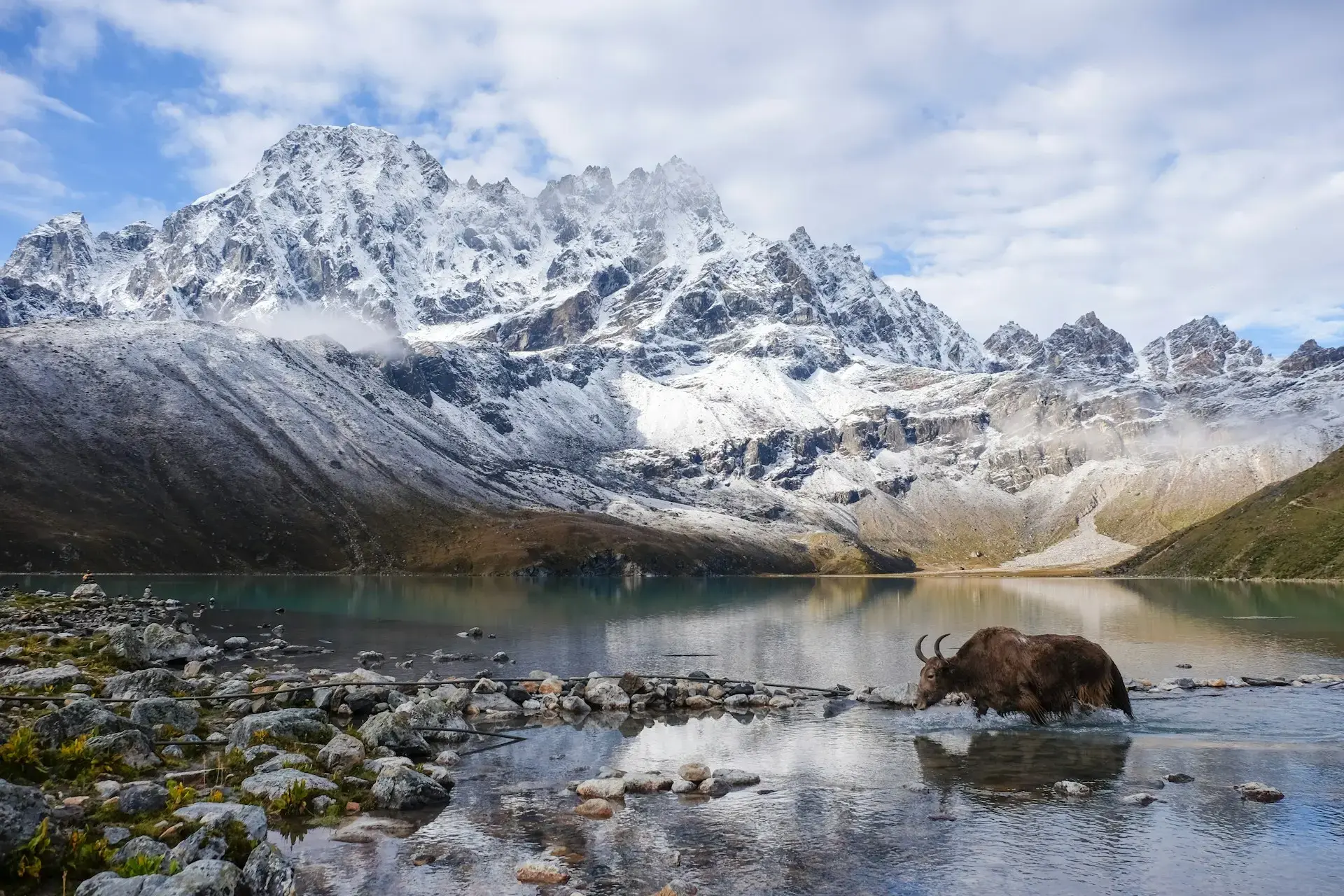
The Everest Three Pass Trek is one of the most challenging and rewarding trekking adventures in the Everest region of Nepal. Organized by Nepal Everest Trek, this extensive journey combines the spectacular Everest Base Camp experience with three high mountain passes—Kongma La (5,535 m), Cho La (5,420 m), and Renjo La (5,360 m). The trek also includes famous viewpoints such as Kala Patthar, Chhukung Ri, and Gokyo Ri, along with the beautiful Gokyo Lakes and traditional Sherpa settlements.
Unlike the standard Everest Base Camp trek, the Three Pass Trek takes you through a much more varied and remote landscape. You experience dramatic valleys, glaciers, high-altitude passes, monasteries, alpine lakes, and panoramic views of Everest, Lhotse, Makalu, Cho Oyu, Ama Dablam, and other Himalayan peaks. The 20-day itinerary allows time for acclimatization while covering the major highlights of the Everest region.
Duration: 20 days
Highest points: Around 5,550 m, depending on the viewpoint
Major passes: Kongma La, Cho La, and Renjo La
Major highlights: Everest Base Camp, Kala Patthar, Gokyo Ri, Chhukung Ri, and Gokyo Lakes
Difficulty: Challenging to strenuous
Best suited for: Experienced and physically fit trekkers
Introduction to the Everest Three Pass Trek
The Everest Three Pass Trek is designed for trekkers who want to explore the Everest region beyond the conventional trekking route. Starting in Kathmandu and continuing with a scenic flight to Lukla, the trail gradually climbs through Phakding and Namche Bazaar before entering the high Himalayan valleys. The route provides opportunities to experience the local Sherpa culture, visit Buddhist monasteries, and observe the changing landscape as the altitude increases.
A major attraction of this trek is its circuit-style route. Instead of simply following the same trail to Everest Base Camp and returning, trekkers cross three spectacular high passes and explore different valleys of the Everest region. Nepal Everest Trek can help trekkers prepare for the demanding terrain, altitude changes, accommodation, logistics, and overall trekking experience required for this adventure.
Scenic flight between Kathmandu and Lukla
Exploration of Namche Bazaar and Sherpa villages
Three challenging high-altitude pass crossings
Visit to Everest Base Camp
Sunrise and mountain views from Kala Patthar
Exploration of the Gokyo Valley and sacred lakes
What Is the Everest Three Pass Trek?
The Everest Three Pass Trek is a demanding high-altitude trekking circuit that crosses Kongma La, Cho La, and Renjo La while also visiting several of the most famous destinations in the Everest region. The route generally progresses from Lukla to Namche Bazaar, Tengboche, Dingboche, Chhukung, Lobuche, Everest Base Camp, and then toward the Cho La and Gokyo Valley before crossing Renjo La and returning toward Namche and Lukla.
Each pass offers a different Himalayan experience. Kongma La provides dramatic views of glaciers and surrounding peaks, Cho La connects the Everest and Gokyo valleys across challenging high-altitude terrain, and Renjo La offers spectacular views toward Everest and the surrounding Himalayan ranges. The trek requires careful pacing because several sections are above 5,000 meters and may involve steep ascents, rocky trails, snow, ice, and glacial terrain depending on the season.
Kongma La: approximately 5,535 m
Cho La: approximately 5,420 m
Renjo La: approximately 5,360 m
Everest Base Camp: approximately 5,364 m
Kala Patthar: approximately 5,545 m
Chhukung Ri: approximately 5,550 m
Gokyo Ri: approximately 5,357 m
Why Choose the Everest Three Pass Trek?
The biggest reason to choose the Everest Three Pass Trek is the extraordinary variety of scenery and experiences it provides. In a single journey, trekkers can walk through green lower valleys, traditional Sherpa settlements, rhododendron forests, rugged alpine terrain, glacial landscapes, and high Himalayan passes. The trek also offers numerous opportunities to see some of the world's highest mountains from different perspectives.
The itinerary is particularly attractive to experienced trekkers who want a greater challenge than the standard Everest Base Camp route. With Nepal Everest Trek, travelers can combine adventure, acclimatization, cultural exploration, and some of the most impressive mountain viewpoints in Nepal. The route also provides a deeper experience of the Everest region because it takes trekkers into the Gokyo Valley and across less-traveled high mountain passes.
Three spectacular high passes in one trek
Everest Base Camp and Kala Patthar
Gokyo Lakes and Gokyo Ri
Chhukung Ri viewpoint
Exceptional views of Everest, Lhotse, Makalu, and Cho Oyu
Traditional Sherpa villages and Buddhist monasteries
More remote and adventurous than the standard EBC trek
Best Time to Do the Everest Three Pass Trek
The best seasons for the Everest Three Pass Trek are generally spring (March to May) and autumn (September to November). During these periods, weather conditions are usually more favorable, visibility is often excellent, and the mountain scenery can be spectacular. Spring also brings blooming rhododendrons in the lower regions, while autumn is particularly popular for clear Himalayan views following the summer monsoon.
Winter can bring very cold temperatures, heavy snowfall, and difficult conditions on the high passes. The summer monsoon season can cause rain, clouds, wet trails, and flight disruptions around Lukla, although conditions vary. Because the Three Pass Trek includes three high-altitude crossings, selecting a suitable season is especially important. Nepal Everest Trek can help trekkers plan the journey around seasonal trail and weather conditions.
Spring: March to May
Autumn: September to November
Winter: Cold and potentially snowy, especially at high elevations
Monsoon: June to August, with increased rain and cloud cover
Best visibility: Usually during stable spring and autumn weather
Important consideration: High-pass conditions can change rapidly
Everest Three Pass Trek Route and Itinerary
The 20-day itinerary begins with arrival in Kathmandu, followed by sightseeing and preparation before flying to Lukla. From Lukla, the trek gradually moves through Phakding and Namche Bazaar before reaching Tengboche and Dingboche. Acclimatization days are incorporated at important stages, helping trekkers adjust to increasing elevation before tackling the higher sections of the route.
From Dingboche, the itinerary becomes more demanding as it heads toward Chhukung Ri and Kongma La before reaching Lobuche and Everest Base Camp. After exploring the Everest Base Camp area and Kala Patthar, the route continues toward Dzongla and crosses Cho La to enter the Gokyo Valley. After exploring Gokyo and climbing Gokyo Ri, trekkers cross Renjo La to reach Lumde and eventually return to Namche Bazaar and Lukla before flying back to Kathmandu.
Day 1: Arrival in Kathmandu (1,320 m) and transfer to hotel
Day 2: Kathmandu sightseeing and trek preparation
Day 3: Fly to Lukla and trek to Phakding (2,610 m)
Day 4: Phakding to Namche Bazaar (3,440 m)
Day 5: Rest and acclimatization in Namche Bazaar
Day 6: Namche Bazaar to Tengboche (3,860 m)
Day 7: Tengboche to Dingboche (4,410 m)
Day 8: Acclimatization and rest in Dingboche
Day 9: Dingboche to Chhukung and climb Chhukung Ri (5,550 m)
Day 10: Cross Kongma La Pass and trek to Lobuche (4,940 m)
Day 11: Lobuche to Gorak Shep and visit Everest Base Camp (5,364 m)
Day 12: Gorak Shep to Kala Patthar and trek to Lobuche
Day 13: Lobuche to Dzongla (4,830 m)
Day 14: Dzongla to Gokyo via Cho La Pass (5,420 m)
Day 15: Rest in Gokyo, climb Gokyo Ri, and explore the lakes
Day 16: Gokyo to Lumde via Renjo La Pass (5,360 m)
Day 17: Lumde to Namche Bazaar
Day 18: Namche Bazaar to Lukla
Day 19: Fly from Lukla to Kathmandu
Day 20: Final departure
Three High Passes: Renjo La, Cho La, and Kongma La
The Everest Three Pass Trek is defined by its three spectacular high-altitude crossings: Renjo La, Cho La, and Kongma La. Each pass presents a different combination of steep climbs, rocky trails, snow, glaciers, and panoramic Himalayan scenery. Together, they form the heart of this challenging circuit and provide views of some of the world's highest mountains, including Everest, Lhotse, Makalu, and Cho Oyu.
With Nepal Everest Trek, trekkers can experience these passes as part of a carefully planned itinerary that includes acclimatization and rest days. Conditions on the passes can change quickly, so appropriate preparation, experienced guides, suitable equipment, and flexibility are important for a safe and enjoyable journey.
Renjo La: approximately 5,360 m; connects the Gokyo Valley with the Thame Valley
Cho La: approximately 5,420 m; connects the Everest and Gokyo regions
Kongma La: approximately 5,535 m; one of the highest and most demanding crossings on the route
Spectacular views of Everest and surrounding Himalayan peaks
High-altitude terrain requiring careful pacing and acclimatization
Everest Three Pass Trek Difficulty Level
The Everest Three Pass Trek is considered challenging to strenuous because of its long duration, high elevations, steep ascents and descents, and three passes above 5,000 meters. Unlike a standard teahouse trek, several sections require sustained effort over difficult mountain terrain. Snow and ice can also make the high passes more demanding depending on the season and weather conditions.
Good physical preparation is strongly recommended before beginning the trek. Trekkers should be comfortable walking for several hours on consecutive days and should train for uphill and downhill terrain. Acclimatization is equally important because altitude can affect people differently, regardless of their previous trekking experience. Nepal Everest Trek can provide guidance on preparation, pacing, equipment, and itinerary planning.
Difficulty: Challenging to strenuous
Highest terrain: Above 5,500 m on some viewpoints and passes
Typical trekking: Several hours per day
Main challenges: Altitude, steep terrain, cold, and long walking days
Recommended preparation: Cardiovascular fitness, strength training, and regular hiking
Important: Allow adequate acclimatization and follow your guide's advice
Everest Three Pass Trek Permits and Regulations
The Everest Three Pass Trek takes place within Nepal's Everest region, where trekkers need the applicable permits and local entry documentation. The required permissions can include the Sagarmatha National Park entry permit and a local-area permit or registration for the Khumbu region. Requirements and fees can change, so trekkers should confirm the current regulations before departure.
There are also important conservation and responsible-trekking regulations in the Everest region. Trekkers should follow designated trails, respect local communities and monasteries, manage waste responsibly, and comply with instructions from local authorities and park officials. Nepal Everest Trek can assist with arranging the required permits and explaining the current entry procedures as part of the trek preparation.
Sagarmatha National Park entry permit
Khumbu/Local Area permit or applicable registration
Passport and required travel documentation
Follow national park and local-area regulations
Respect monasteries, religious sites, and local customs
Follow responsible waste-management practices
Check current permit requirements before departure
Accommodation and Food Along the Trek
Accommodation during the Everest Three Pass Trek is generally provided in teahouses and mountain lodges along the established trekking route. Rooms are usually simple, with basic beds and blankets, while shared bathrooms are common, particularly at higher elevations. Facilities become more basic as the altitude increases, so trekkers should expect comfort to be more limited in remote sections of the route.
Meals are typically available at teahouses and lodges, offering a mixture of Nepali, Tibetan-influenced, and familiar international trekking food. Dal bhat is a popular choice because it provides a filling combination of rice, lentils, vegetables, and other accompaniments. Noodles, soups, potatoes, eggs, porridge, pasta, and other simple meals are also commonly available. Nepal Everest Trek can advise trekkers on suitable meal choices and hydration during the trek.
Accommodation: Teahouses and mountain lodges
Rooms: Generally simple and basic
Bathrooms: Often shared at higher elevations
Popular meal: Dal bhat
Other options: Soup, noodles, pasta, potatoes, eggs, porridge, and bread
Drinks: Tea, coffee, hot water, and other beverages
Tip: Carry a reusable water bottle and a suitable water-purification method
Everest Three Pass Trek Cost and Budget
The cost of the Everest Three Pass Trek depends on factors such as trek duration, group size, guide and porter services, accommodation standards, permits, domestic flights, meals, equipment, and additional services. Because the Three Pass route is longer and more demanding than many standard Everest-region itineraries, travelers should plan for a higher overall budget.
A package organized by Nepal Everest Trek may cover major trekking logistics such as airport transfers, accommodation, domestic flights, permits, guides, and other agreed services, while personal expenses are normally separate. Trekkers should carefully review what is included and excluded before booking so they can prepare an appropriate budget for tips, snacks, drinks, charging, Wi-Fi, showers, insurance, equipment, and unexpected expenses.
Main costs: Permits, Lukla flights, accommodation, meals, guides, and porters
Personal expenses: Snacks, beverages, Wi-Fi, charging, showers, and souvenirs
Equipment: Trekking gear and clothing may add to the budget
Insurance: High-altitude trekking coverage is strongly recommended
Emergency costs: Keep a contingency budget
Tips: Budget separately for guides and porters
Best approach: Confirm the full package inclusions and exclusions with Nepal Everest Trek before booking
Essential Packing List for the Three Pass Trek
Packing properly for the Everest Three Pass Trek is essential because the route passes through cold, remote, and high-altitude environments where weather conditions can change quickly. Trekkers should prepare for warm days at lower elevations as well as freezing temperatures, strong winds, snow, and potentially difficult conditions above 5,000 meters. A layered clothing system makes it easier to adjust to changing temperatures throughout the day.
Because the trek combines long walking days with three high passes, keeping your pack practical and reasonably light is important. Nepal Everest Trek recommends prioritizing essential clothing, reliable trekking footwear, protection from the sun and cold, personal medication, hydration equipment, and appropriate sleeping gear. Your guide or trekking company can also advise you about equipment requirements based on the season and current trail conditions.
Clothing: Base layers, fleece, insulated jacket, waterproof jacket and trousers
Footwear: Durable trekking boots, comfortable trekking socks, and camp footwear
Cold-weather gear: Warm hat, gloves, neck gaiter, and thermal layers
Sun protection: Sunglasses, sunscreen, lip balm, and sun hat
Trekking equipment: Backpack, trekking poles, headlamp, water bottles, and sleeping bag
Personal items: First-aid supplies, medications, toiletries, and quick-dry towels
Documents: Passport, permits, insurance details, and emergency contacts
Altitude Sickness and Acclimatization Tips
Altitude is one of the most important challenges on the Everest Three Pass Trek. The route rises from Kathmandu at around 1,320 meters to elevations above 5,000 meters, where the air contains significantly less available oxygen. Altitude sickness can affect anyone, regardless of age or fitness, so gradual ascent and proper acclimatization should be treated as essential parts of the trek rather than optional precautions.
The itinerary for the Nepal Everest Trek includes acclimatization and rest days, particularly around Namche Bazaar and Dingboche. Trekkers should walk at a steady pace, drink adequately, eat regularly, and avoid rushing to higher elevations. Symptoms such as headache, nausea, unusual fatigue, dizziness, or difficulty sleeping should be taken seriously. Severe or worsening symptoms require immediate descent and appropriate medical attention.
Ascend gradually and follow the planned itinerary
Take acclimatization days seriously
Walk slowly and maintain a comfortable pace
Stay adequately hydrated
Eat regular, nutritious meals
Avoid alcohol at high altitude
Tell your guide immediately if you develop symptoms
Never continue upward when serious altitude symptoms are worsening
Physical Preparation and Training for the Trek
The Everest Three Pass Trek requires a good level of cardiovascular fitness, leg strength, endurance, and mental resilience. Trekkers can expect long days of walking over uneven terrain, including steep climbs and descents. The high passes may also involve snow, ice, loose rocks, and demanding sections that require careful footing. Preparing several weeks or months before departure can make the experience considerably more comfortable.
A practical training program should combine hiking with cardiovascular and strength exercises. Regular uphill walking, stair climbing, brisk walking, running, cycling, and exercises such as squats and lunges can help build useful endurance and leg strength. Nepal Everest Trek recommends gradually increasing the duration and difficulty of training hikes rather than attempting very demanding workouts immediately before departure.
Build endurance through regular walking and hiking
Include uphill and downhill training
Practice with a loaded daypack
Strengthen legs and core
Include cardiovascular activities such as cycling or running
Take progressively longer hikes before departure
Wear your trekking boots during training
Allow adequate recovery between difficult training sessions
Safety Tips and Common Challenges on the Trail
Safety on the Everest Three Pass Trek requires awareness of altitude, weather, terrain, fatigue, and changing trail conditions. High-pass crossings can be particularly demanding, and snow or poor visibility may make navigation more difficult. Trekkers should remain with their group or guide, follow established routes, and avoid taking unnecessary risks to save time or reach a viewpoint.
Other common challenges include cold temperatures, dehydration, tiredness, slippery trails, limited facilities, and possible delays caused by weather. The remote nature of parts of the route means that preparation and communication are important. With Nepal Everest Trek, following the guide's instructions and maintaining a flexible itinerary can help manage unexpected conditions more safely.
Follow your guide's instructions
Check weather and trail conditions before high-pass crossings
Use trekking poles on steep and uneven terrain
Wear suitable layers and waterproof protection
Stay hydrated and maintain energy with regular meals and snacks
Avoid walking alone in remote sections
Keep essential medications and personal items accessible
Carry travel insurance that covers high-altitude trekking and emergency evacuation
Be prepared for itinerary changes due to weather or trail conditions
Final Tips for a Successful Everest Three Pass Trek
A successful Everest Three Pass Trek is built around preparation, patience, and respect for the mountain environment. The route is not a race, and maintaining a steady pace is more valuable than trying to walk quickly. Trekkers should give their bodies enough time to adjust to altitude, remain flexible when conditions change, and communicate openly with their guide throughout the journey.
Before departure, review your equipment, fitness level, travel documents, insurance, and itinerary carefully. Choose appropriate trekking gear and break in your footwear before arriving in Nepal. During the trek, stay positive during difficult sections, respect local Sherpa culture and Buddhist traditions, and follow responsible trekking practices. Nepal Everest Trek can help with the logistical planning and local support needed to make this demanding Himalayan adventure more organized and enjoyable.
Prepare physically and mentally before the trek
Pack light but include essential high-altitude gear
Acclimatize properly and never ignore altitude symptoms
Maintain a slow, consistent walking pace
Keep sufficient water and snacks available
Listen to your guide and respect local advice
Allow flexibility for weather and trail conditions
Protect the environment and avoid unnecessary waste
Respect local communities, monasteries, and cultural traditions
Carry comprehensive travel and high-altitude trekking insurance