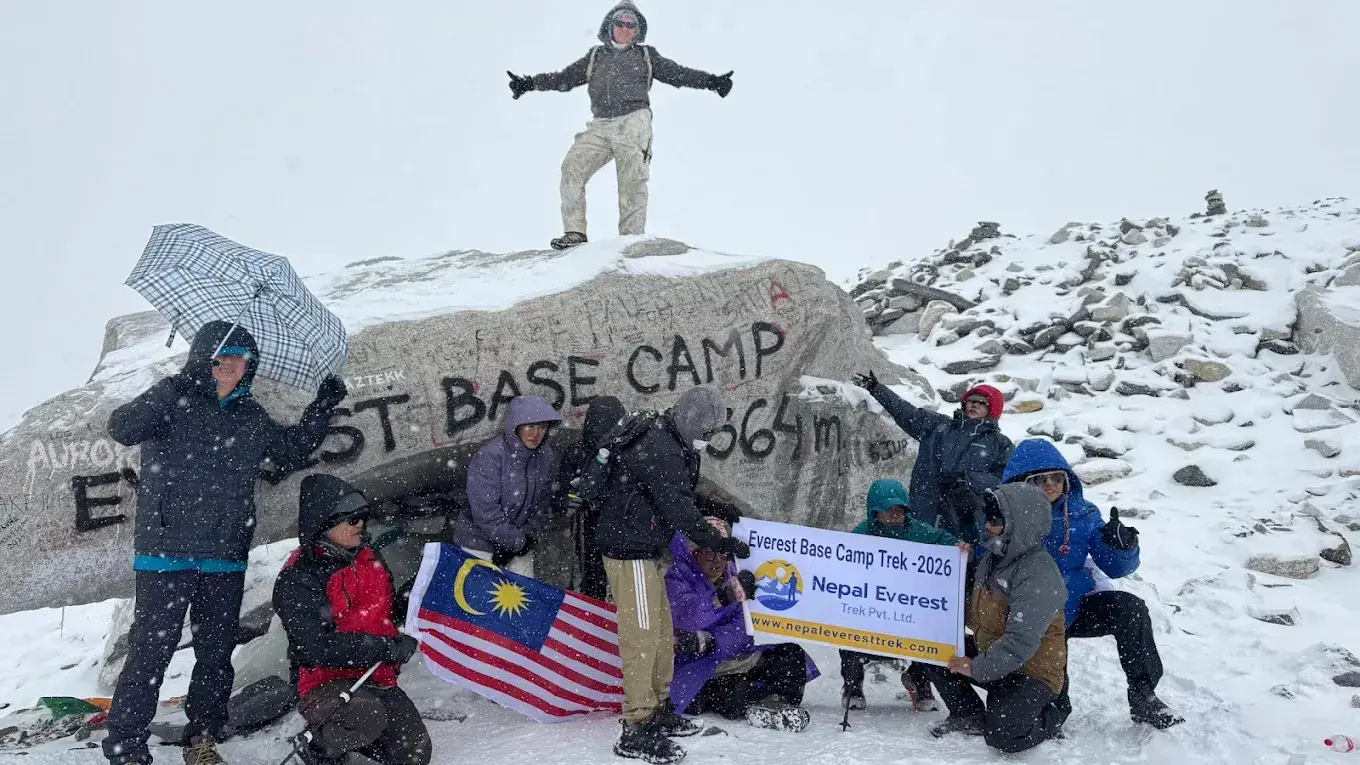
The trek to Everest Base Camp is one of the most iconic adventures in the world, attracting trekkers from every continent. Operated by experienced local experts such as Nepal Everest Trek, this journey offers a rare combination of natural grandeur, cultural depth, and personal challenge in the heart of the Himalayas.
Over 15 days, the route takes you from the bustling capital of Kathmandu into the remote Khumbu region, gradually ascending through Sherpa villages, ancient monasteries, and dramatic alpine landscapes. Each day is carefully designed for acclimatization, ensuring both safety and maximum enjoyment of the high-altitude environment.
Walk in the shadow of the world’s highest peak, Mount Everest
Experience authentic Sherpa culture and Himalayan hospitality
Witness dramatic landscapes: glaciers, valleys, and towering peaks
Reach iconic viewpoints like Kala Patthar
Achieve a once-in-a-lifetime personal adventure
Professionally guided support by companies like Nepal Everest Trek
Introduction: Why Everest Base Camp Captivates Trekkers Worldwide
The Everest Base Camp trek is more than a hiking route—it is a global dream journey. The allure comes from standing at the foot of Mount Everest, surrounded by the highest mountains on Earth, where every step feels like part of a legendary expedition.
With Nepal Everest Trek, travelers are guided safely through this demanding yet rewarding journey. The experience blends physical challenge with emotional fulfillment, as trekkers push their limits while surrounded by breathtaking Himalayan scenery.
Beyond adventure, the trek represents a deep connection to nature and self-discovery. The silence of the mountains, the prayer flags fluttering in the wind, and the warm smiles of local Sherpa communities make this journey unforgettable for all who undertake it.
The Legacy of Mount Everest
Mount Everest, known locally as Sagarmatha, has long stood as a symbol of human ambition and exploration. First summited in 1953 by Sir Edmund Hillary and Tenzing Norgay, its legacy continues to inspire climbers and trekkers from around the world.
The mountain is not only a geographical wonder but also a cultural and spiritual landmark. For the Sherpa people, it holds deep religious significance, believed to be the sacred “Mother Goddess of the World.” Trekking here allows visitors to experience this heritage firsthand, especially when guided by experienced teams like Nepal Everest Trek.
Over the decades, Everest has become a global icon of perseverance. The journey to its base camp is a way for trekkers to connect with this legacy without needing technical climbing skills, making it accessible yet profoundly meaningful.
A Journey Through the Heart of Khumbu Region
The trek passes through the stunning Khumbu region, a remote Himalayan area known for its dramatic landscapes and rich Sherpa culture. From the moment you land in Lukla, the trail unfolds through deep valleys, suspension bridges, pine forests, and glacier-fed rivers.
Villages like Namche Bazaar, Tengboche, and Dingboche offer insight into mountain life, where traditions remain deeply rooted in Buddhism and Himalayan customs. Monasteries, prayer wheels, and colorful flags add spiritual depth to the journey, making each stop culturally enriching.
With Nepal Everest Trek, trekkers not only experience natural beauty but also gain meaningful cultural understanding. The Khumbu region is not just a route to Everest—it is a living heritage trail where nature and culture exist in perfect harmony.
Top Reasons to Trek to Everest Base Camp
The journey to Everest Base Camp is not just a trekking route—it is a life-changing Himalayan experience. Organized professionally by Nepal Everest Trek, this adventure brings together natural beauty, cultural immersion, physical challenge, and spiritual discovery in one of the world’s most iconic mountain regions.
From the moment you leave Kathmandu and head toward the high Himalayas, every step reveals something extraordinary. Whether it is towering peaks, ancient monasteries, or the warmth of Sherpa hospitality, the trek delivers unforgettable moments at every stage of the journey.
Witness Breathtaking Himalayan Landscapes
The Everest region offers some of the most dramatic scenery on Earth. Trekkers are surrounded by towering snow-covered peaks, deep river valleys, hanging glaciers, and rugged alpine terrain that changes dramatically with altitude.
With Nepal Everest Trek, travelers experience these landscapes safely and at a comfortable pace, allowing full appreciation of nature’s grandeur. The trail constantly reveals new perspectives of the Himalayas, making every day visually unique and inspiring.
Key Highlights:
Panoramic views of the Himalayas
Glacial rivers and ice formations
Dramatic altitude-based landscape changes
Sunrise and sunset views over snow peaks
Experience the Unique Sherpa Culture
One of the most enriching parts of the journey is the opportunity to connect with the Sherpa community. Known for their strength, hospitality, and mountain knowledge, the Sherpas have lived in harmony with the Himalayas for generations.
Through Nepal Everest Trek, visitors can explore monasteries, prayer flags, and traditional villages where Buddhist culture is deeply rooted in daily life. This cultural immersion adds meaning and depth to the trekking experience.
Cultural Highlights:
Visit ancient Buddhist monasteries
Experience Sherpa hospitality in teahouses
Learn about Himalayan traditions and beliefs
See prayer wheels, stupas, and festivals
Walk in the Footsteps of Legendary Climbers
The Everest trail follows the same historic route used by early explorers and mountaineers who attempted to summit Mount Everest. This gives trekkers a powerful sense of connection to mountaineering history.
With Nepal Everest Trek, travelers hear stories of legendary expeditions, including the first successful ascent in 1953. Walking this route allows you to imagine the courage and determination of those who first explored these extreme altitudes.
Historical Highlights:
Route of early Everest expeditions
Stories of Sir Edmund Hillary and Tenzing Norgay
Historic mountaineering camps and trails
Legacy of global exploration
Visit Iconic Landmarks Like Namche Bazaar
The vibrant town of Namche Bazaar is often called the gateway to Everest. It is a bustling mountain hub where trekkers acclimatize, rest, and experience local life in the heart of the Khumbu region.
With Nepal Everest Trek, visitors get time to explore local markets, bakeries, museums, and viewpoints that showcase stunning Himalayan scenery. Namche is both a cultural and logistical highlight of the trek.
Key Highlights:
Sherpa culture and mountain trade hub
Everest View Hotel viewpoint
Local markets and bakeries
Acclimatization stop with scenic hikes
Challenge Yourself Physically and Mentally
The Everest Base Camp trek is a rewarding challenge that pushes both physical endurance and mental strength. The gradual ascent helps trekkers adapt to high altitude while building confidence each day.
With Nepal Everest Trek, proper acclimatization, guidance, and safety support ensure that trekkers can focus on personal achievement rather than difficulty. Reaching Base Camp is a powerful sense of accomplishment.
Personal Growth Benefits:
Improve endurance and stamina
Build mental resilience
Achieve a major personal milestone
Overcome high-altitude challenges
Enjoy a Well-Established Trekking Route
The Everest trail is one of the most developed trekking routes in the world. It offers comfortable teahouses, experienced guides, and reliable infrastructure that make the journey accessible even in remote mountains.
Nepal Everest Trek ensures a smooth experience with professional support, accommodations, and logistics, allowing trekkers to focus fully on the adventure.
Route Advantages:
Comfortable teahouse accommodations
Experienced local guides and porters
Well-marked and maintained trails
Emergency and safety support systems
Stunning Views of Peaks Like Lhotse and Ama Dablam
Along the journey, trekkers enjoy breathtaking views of some of the most beautiful peaks in the Himalayas, including Lhotse and Ama Dablam. These mountains are famous for their dramatic shapes and striking presence.
With Nepal Everest Trek, carefully planned viewpoints ensure trekkers witness these peaks at their most spectacular angles, especially during sunrise and sunset.
Mountain Highlights:
Close-up views of iconic Himalayan peaks
Photographic sunrise and sunset opportunities
Constant changing mountain perspectives
Snow-covered alpine scenery
A Chance to Visit Sagarmatha National Park
The trek passes through Sagarmatha National Park, a UNESCO World Heritage Site known for its rare biodiversity and protected Himalayan ecosystem. It is home to unique wildlife and alpine vegetation.
With Nepal Everest Trek, trekkers learn about conservation efforts and the importance of preserving this fragile environment while enjoying its untouched beauty.
Park Highlights:
UNESCO World Heritage natural site
Rare Himalayan wildlife and flora
Protected alpine ecosystems
Scenic forests and river valleys
Spiritual Experience in Himalayan Monasteries
Beyond nature and adventure, the Everest region offers deep spiritual experiences. Ancient monasteries and meditation sites provide a peaceful contrast to the physical challenge of trekking.
With Nepal Everest Trek, visitors can observe prayer ceremonies, interact with monks, and understand the Buddhist philosophy that shapes Himalayan life.
Spiritual Highlights:
Visit sacred monasteries like Tengboche
Observe Buddhist rituals and prayers
Experience peaceful mountain spirituality
Learn about Sherpa beliefs and traditions
A Once-in-a-Lifetime Achievement Experience
Reaching Everest Base Camp is widely considered one of the greatest trekking achievements in the world. It represents determination, preparation, and personal strength.
With Nepal Everest Trek, trekkers not only reach a destination but also complete a meaningful journey of self-discovery. The sense of achievement stays long after returning home.
Achievement Highlights:
Reaching world-famous Everest Base Camp
Personal transformation and confidence boost
Completion of a bucket-list adventure
Lifelong memories of the Himalayas
Best Time to Trek to Everest Base Camp
Choosing the right season is one of the most important factors for a successful journey to Everest Base Camp. The trek is open throughout the year, but weather conditions in the Himalayas vary dramatically, affecting visibility, safety, and comfort. The most popular seasons are spring (March–May) and autumn (September–November), when skies are clear and mountain views are at their best.
With Nepal Everest Trek, itineraries are carefully planned around these ideal windows to ensure trekkers enjoy stable weather, safer trails, and breathtaking Himalayan scenery. Winter and monsoon seasons are possible but require more preparation due to snow or heavy rainfall.
Best Time Highlights:
Spring (Mar–May): blooming rhododendrons, clear skies
Autumn (Sep–Nov): best visibility and stable weather
The Everest Base Camp trek is a multi-day Himalayan journey that gradually takes you from lush forests to high-altitude glacial terrain. Each day typically involves 4–7 hours of walking, with breaks in traditional teahouses along the route.
With Nepal Everest Trek, trekkers are supported with experienced guides, comfortable accommodations, and carefully planned acclimatization days. As altitude increases, oxygen levels decrease, so pacing and hydration are essential for a safe experience.
Daily Experience Overview:
4–7 hours of trekking per day
Stay in teahouses (basic but comfortable lodges)
Meals include dal bhat, noodles, soups, and tea
Gradual altitude gain with rest days for acclimatization
Stunning mountain views throughout the journey
Essential Tips for First-Time Trekkers
Preparing well for the Everest Base Camp trek is crucial, especially for beginners. Proper gear, physical fitness, and mental readiness can greatly improve the overall experience and safety on the trail.
Nepal Everest Trek provides guidance before departure, ensuring trekkers understand what to pack and how to handle altitude conditions. Simple preparation steps can make a big difference in comfort and enjoyment.
Essential Trekking Tips:
Train with walking, hiking, or cardio exercises before the trip
Pack layered clothing for changing temperatures
Carry quality trekking boots and waterproof gear
Stay hydrated and avoid alcohol at high altitude
Listen to guides and follow acclimatization rules
Bring basic medications for altitude sickness prevention
Conclusion: Is Everest Base Camp Worth It?
The journey to Everest Base Camp is widely regarded as one of the most rewarding trekking experiences in the world. It combines breathtaking natural beauty, cultural immersion, and personal achievement into a single unforgettable adventure.
With Nepal Everest Trek, travelers not only reach the base of the world’s highest peak but also experience the Himalayas in a safe, well-supported, and meaningful way. The challenges of the trek are balanced by moments of awe, peace, and inspiration that last a lifetime.
Why It’s Worth It:
Unmatched views of the Himalayas and Mount Everest
Deep cultural experience with Sherpa communities
Strong sense of personal achievement
Well-organized and safe trekking support
A once-in-a-lifetime adventure in Nepal
Ultimately, Everest Base Camp is not just a destination—it is a journey that transforms perspective, builds resilience, and creates lifelong memories with Nepal Everest Trek guiding the way.