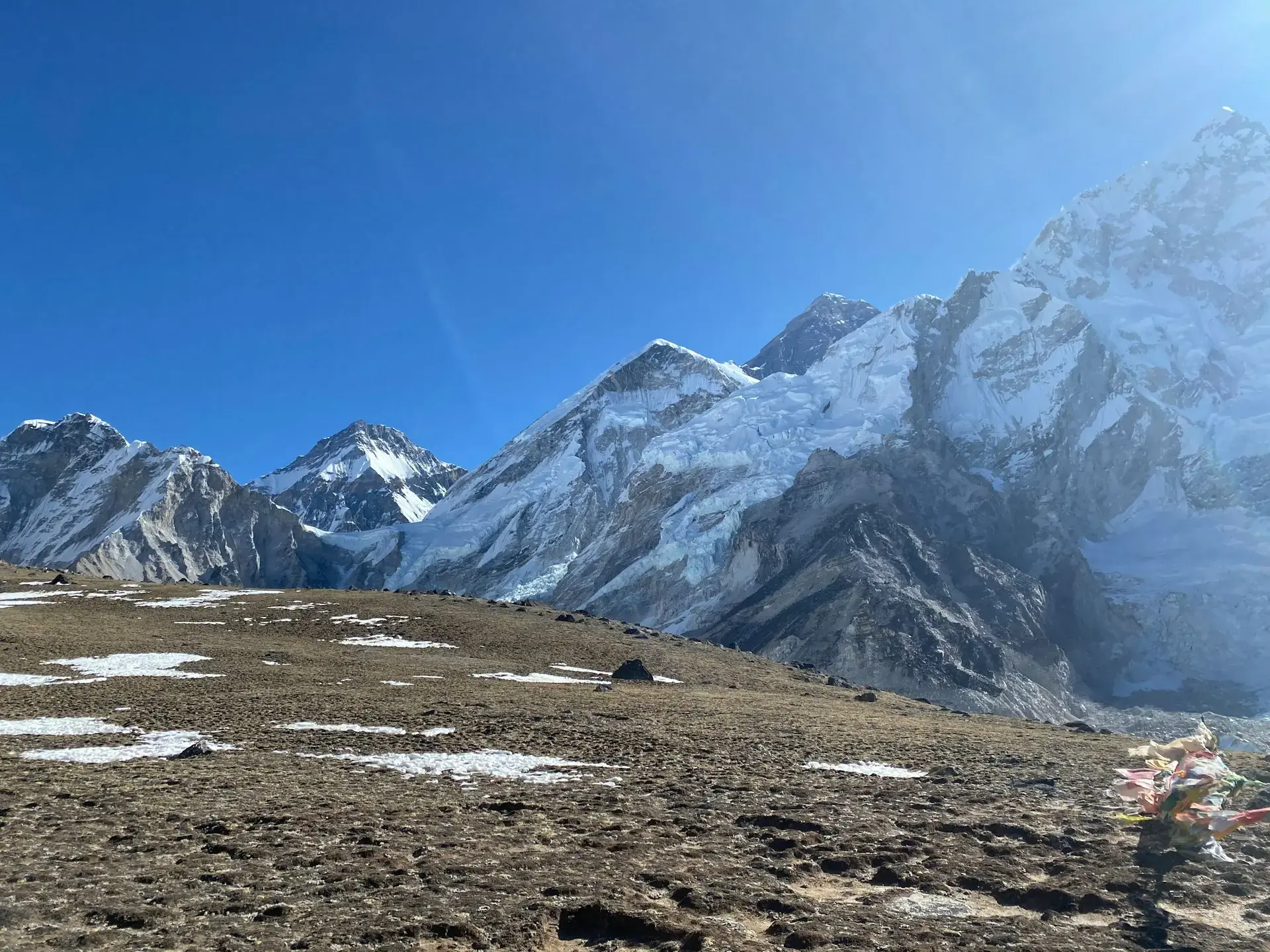
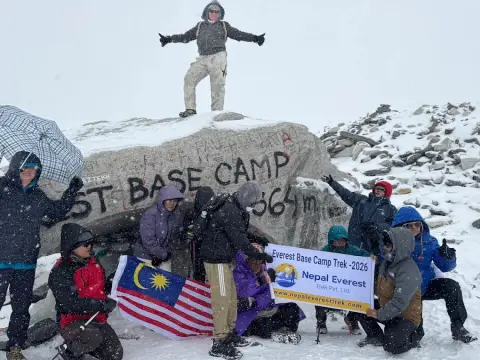
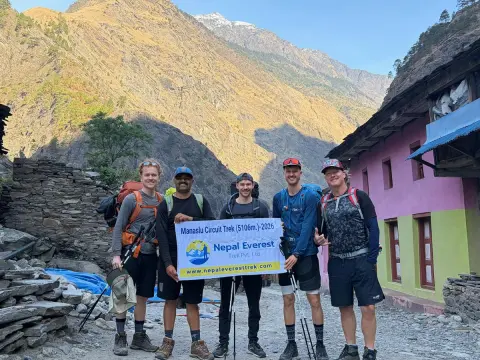
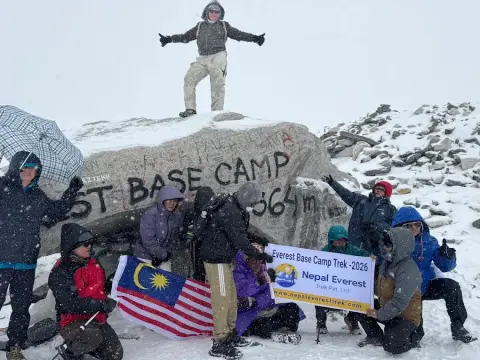
The Everest Base Camp (EBC) Trek is one of the world’s most rewarding high-altitude adventures, taking you through the spectacular Khumbu region of Nepal, traditional Sherpa villages, ancient monasteries, suspension bridges, and breathtaking Himalayan landscapes. Reaching Everest Base Camp and standing beneath some of the world’s highest peaks is an unforgettable achievement, but the journey requires preparation, patience, and respect for the mountain environment.
With the right planning and support from Nepal Everest Trek, trekkers can approach the journey with greater confidence and enjoy the experience safely. The itinerary should allow enough time for acclimatization, steady walking, proper hydration, and rest. Rather than focusing only on reaching the destination, successful trekking is about maintaining a comfortable pace and enjoying every stage of the Himalayan journey.
Train regularly before arriving in Nepal.
Choose an itinerary with proper acclimatization days.
Walk slowly and maintain a comfortable pace.
Stay well hydrated throughout the trek.
Pack warm, comfortable, and lightweight gear.
Eat nutritious meals and get enough rest.
Listen to your guide and your body.
Be prepared for changing mountain weather.
Keep extra time in your itinerary for possible flight delays.
Respect local Sherpa culture, traditions, and the mountain environment.
Introduction: Why the Everest Base Camp Trek Is Worth the Challenge
The Everest Base Camp Trek is far more than a hike to a famous destination. It is an immersive journey through the heart of the Himalayas, where every day brings a new landscape and a different perspective of mountain life. From the lively streets of Kathmandu to the dramatic flight into Lukla, the trail gradually leads trekkers through Phakding, Namche Bazaar, Tengboche, Dingboche, Lobuche, Gorak Shep, and finally Everest Base Camp. Along the way, magnificent views of Everest, Ama Dablam, Lhotse, Nuptse, and other Himalayan peaks create unforgettable moments.
One of the most meaningful aspects of the trek is the combination of natural beauty and cultural experiences. Trekkers encounter Sherpa communities, Buddhist prayer wheels, colorful prayer flags, monasteries, traditional villages, and mountain lodges. The challenge of altitude and long walking days makes reaching Everest Base Camp especially rewarding. With careful preparation and a well-planned itinerary from Nepal Everest Trek, the difficulties become part of an adventure that can remain a treasured memory for years.
Know What You’re Signing Up For: What the EBC Trek Is Really Like
The Everest Base Camp Trek is a physically demanding mountain journey rather than a simple sightseeing trip. Depending on the itinerary, trekkers spend approximately two weeks walking at increasingly higher elevations, with several days involving multiple hours of uphill and downhill walking. The terrain can include rocky paths, stone steps, suspension bridges, steep sections, and uneven mountain trails. Accommodation is generally in teahouses or lodges, where facilities become more basic as you travel farther into the high mountains.
Altitude is another important part of the experience. The trail rises from the relatively low elevation of Lukla to more than 5,000 meters around Everest Base Camp and Kala Patthar. Because the air becomes thinner at higher elevations, acclimatization is essential. The itinerary includes rest and acclimatization days in places such as Namche Bazaar and Dingboche to help the body adjust gradually. A responsible trekking company such as Nepal Everest Trek can help monitor your progress and provide guidance throughout the journey.
Trekkers should also understand that conditions in the Himalayas can be unpredictable. Weather can affect mountain flights, trail conditions, and daily schedules. Flexibility is therefore essential, and building some extra time into your overall Nepal travel plan is highly recommended.
Choose the Best Time to Trek to Everest Base Camp
Choosing the right season can make a major difference to your Everest Base Camp experience. The two traditionally preferred trekking seasons are spring and autumn. Spring, particularly from March to May, generally offers favorable trekking conditions, pleasant daytime temperatures at lower elevations, and beautiful mountain scenery. It is also a popular period for Everest expeditions, giving the Khumbu region a particularly lively atmosphere.
Autumn, especially from September to November, is another excellent period for trekking. After the monsoon season, the skies are often clearer and the mountain views can be spectacular. The trails can be busy during peak periods, but the atmosphere, visibility, and generally stable weather make this season highly popular.
Winter and monsoon trekking are also possible with suitable preparation, but they present additional challenges. Winter can bring very cold temperatures and snow at higher elevations, while the monsoon season can produce rain, clouds, slippery trails, and flight disruptions. Before selecting your dates, discuss seasonal conditions and your preferred experience with Nepal Everest Trek.
Seasonal Planning Tips:
Spring: Excellent mountain scenery and a lively trekking atmosphere.
Autumn: Generally clear views and stable trekking conditions.
Winter: Quieter trails but significantly colder conditions.
Monsoon: More rain and clouds, with possible flight and trail disruptions.
Book popular-season accommodation and flights well in advance.
Keep flexibility in your schedule for weather-related delays.
Get Trek-Ready: How to Train Your Body Before the Journey
Physical preparation is one of the best ways to make the Everest Base Camp Trek more enjoyable. You do not need to be a professional athlete, but you should be comfortable walking for several hours over consecutive days. Start training several weeks or months before your trip with regular cardiovascular activities such as hiking, walking, jogging, cycling, or stair climbing. Gradually increase the duration and difficulty rather than attempting very demanding workouts immediately.
Strength and endurance training are equally valuable. Focus on your legs, core, and overall stability because the trail involves frequent ascents and descents. If possible, include regular hikes carrying a moderately weighted backpack so your body becomes accustomed to walking with your trekking gear. You should also include rest and recovery in your training program, as overtraining immediately before the trek can be counterproductive.
Fitness alone, however, does not prevent altitude sickness. Acclimatization, a gradual ascent, hydration, nutrition, adequate rest, and following professional guidance are essential once you are in the mountains. Nepal Everest Trek can help you follow a suitable pace and itinerary designed around acclimatization.
Training Priorities:
Build cardiovascular endurance.
Practice long-distance walking and hiking.
Strengthen your legs and core.
Include uphill and downhill training.
Practice walking with your trekking backpack.
Wear your trekking boots during training to break them in.
Increase training intensity gradually.
Allow sufficient recovery time.
Pack Smart: Essential Gear You’ll Actually Need
Packing for Everest Base Camp requires a balance between staying warm and carrying as little unnecessary weight as possible. Conditions change dramatically as you gain altitude, so a good layering system is more useful than relying on one extremely heavy jacket. Warm base layers, insulating layers, a waterproof outer layer, comfortable trekking trousers, quality socks, gloves, a warm hat, and a reliable down or insulated jacket are important for higher elevations.
Footwear deserves particular attention. Comfortable, broken-in trekking boots with good grip can make a significant difference on rocky and uneven trails. Other useful items include a sleeping bag suitable for cold mountain conditions, a daypack, water bottles or a hydration system, sunglasses with strong UV protection, sunscreen, a headlamp, trekking poles, personal toiletries, and basic first-aid supplies. Your exact equipment should be adjusted according to the season and the services included in your trek.
Avoid filling your bag with items you are unlikely to use. A lightweight, well-organized pack makes long walking days considerably more comfortable. Before departure, Nepal Everest Trek can help you understand what equipment is provided, what you should bring yourself, and what can be rented or purchased in Kathmandu.
Essential Packing Points:
Broken-in trekking boots
Warm base and insulating layers
Waterproof jacket and trousers
Down or insulated jacket
Warm gloves, hat, and socks
Comfortable trekking trousers
Sunglasses and sunscreen
Water bottles or hydration system
Trekking poles
Sleeping bag suitable for cold conditions
Headlamp with spare batteries
Personal medication and basic first-aid supplies
Small toiletries and personal essentials
Backpack/daypack with a comfortable fit
Copies of important travel documents
Take It Slow: Why Acclimatization Is So Important
Acclimatization is one of the most important factors in completing the Everest Base Camp Trek safely and comfortably. As you ascend into the Khumbu region, the amount of available oxygen decreases, and your body needs time to adapt to the higher elevation. This is why a well-designed itinerary includes acclimatization days in places such as Namche Bazaar and Dingboche. These rest days are not simply breaks from walking; they are essential parts of the trek that help your body adjust to the altitude.
The key is to maintain a slow and steady pace throughout the journey. Avoid rushing uphill, even if you feel strong at lower elevations. Your guide from Nepal Everest Trek can help you maintain an appropriate pace and recognize signs that may require additional rest or a change in plans. If you develop symptoms such as severe headache, unusual dizziness, significant breathlessness at rest, confusion, or worsening nausea, inform your guide immediately rather than trying to push through them.
Acclimatization Tips:
Walk slowly and maintain a comfortable rhythm.
Take planned acclimatization days seriously.
Avoid unnecessary physical exertion at high elevations.
Drink plenty of fluids.
Get adequate sleep and rest.
Listen to your guide and your body.
Never ignore worsening altitude-related symptoms.
Follow a gradual ascent itinerary.
Stay Strong: Simple Tips for Managing Long Trekking Days
Everest Base Camp trekking involves several consecutive days of walking, often over rocky and uneven Himalayan terrain. Some days may involve many hours on the trail, with a combination of uphill climbs, downhill sections, stone steps, and relatively flat paths. Instead of trying to walk quickly, focus on conserving energy. A consistent pace that feels sustainable is usually much more effective than walking fast and becoming exhausted early in the day.
Taking short breaks can help you recover without allowing your body to become completely cold or stiff. Keep your backpack organized so that frequently used items such as water, snacks, sunscreen, and an extra layer are easily accessible. Good footwear is also essential because tired feet can quickly turn a manageable trekking day into an uncomfortable one.
Long-Day Trekking Tips:
Start the day early when appropriate.
Maintain a steady, comfortable pace.
Take short breaks rather than exhausting yourself.
Keep your backpack as light as practical.
Use trekking poles on steep or uneven sections.
Protect your feet from blisters and moisture.
Stretch gently after long walking days.
Get enough sleep before the next day's trek.
Eat, Drink, and Refuel: Staying Healthy at High Altitude
Proper nutrition and hydration become increasingly important as you climb higher. Trekking for several hours each day requires a steady supply of energy, while the dry mountain environment can make dehydration easier to overlook. Drink water regularly throughout the day rather than waiting until you feel thirsty. Warm drinks such as tea or soup can also be comforting at higher elevations, although they should complement rather than replace your regular water intake.
Meals along the trail generally provide a mixture of carbohydrates, protein, and vegetables, giving trekkers useful energy for long walking days. Dal bhat, noodles, rice, pasta, potatoes, soups, eggs, and other simple dishes are commonly available. Choose foods that you digest comfortably and avoid experimenting excessively with unfamiliar or very rich foods when you are at high altitude. Nepal Everest Trek can also advise you about suitable meal choices and hydration practices during the trek.
Food and Hydration Tips:
Drink water regularly throughout the day.
Carry a refillable water bottle or hydration system.
Eat regular, energy-rich meals.
Choose easily digestible foods.
Carry convenient snacks such as nuts, energy bars, or dried fruit.
Limit excessive alcohol consumption.
Maintain good personal hygiene.
Follow your guide's recommendations about food and water.
Prepare for the Unexpected: Weather, Flights, and Trail Delays
Mountain travel requires flexibility. Weather conditions in the Everest region can change quickly, and flights between Kathmandu and Lukla can sometimes be delayed or cancelled because of poor visibility, wind, or other operational conditions. Trail conditions can also be affected by snowfall, rainfall, landslides, or other local circumstances. For this reason, your trekking schedule should not be treated as an absolutely fixed timetable.
Allowing extra time in your overall Nepal itinerary is one of the simplest ways to reduce stress when unexpected delays occur. If a flight is postponed, your trekking company can help coordinate the next available arrangement and adjust the itinerary when necessary. Nepal Everest Trek can also provide guidance about current trail and weather conditions and help you make practical decisions when circumstances change.
Be Prepared for Delays:
Keep your schedule flexible.
Allow extra days when possible.
Expect possible Lukla flight changes.
Keep essential items in your hand luggage.
Carry some emergency cash.
Follow current guidance from your trekking team.
Avoid making tightly connected international travel arrangements.
Be patient when mountain weather affects plans.
Tea Houses and Food: What to Expect Along the Trail
Tea houses are an important part of the Everest Base Camp experience. These mountain lodges provide trekkers with basic accommodation, meals, and a place to rest after a long day on the trail. Facilities vary depending on the location, and conditions generally become more basic as you move toward higher elevations. Rooms may be simple, and shared bathroom facilities are common, particularly in the more remote sections of the route.
Food options are surprisingly varied for such a remote mountain environment. Traditional Nepali meals such as dal bhat are widely available, along with noodles, soups, rice, pasta, potatoes, eggs, and other familiar dishes. Breakfast may include porridge, eggs, bread, pancakes, or similar foods. Prices generally increase with elevation because supplies have to be transported farther into the mountains.
Tea House Tips:
Expect simple but comfortable accommodation.
Carry a suitable sleeping bag for cold nights.
Bring personal toiletries and a small towel.
Carry some toilet paper and hand sanitizer.
Be prepared for shared facilities.
Order meals early when the lodge is busy.
Carry snacks for the trail.
Respect quiet hours and other trekkers.
Stay Connected: Internet, Charging, and Communication on the Trek
Staying connected during the Everest Base Camp Trek is possible, but communication services become less reliable as you travel farther and higher into the Khumbu. Some tea houses offer Wi-Fi, while mobile network coverage varies considerably along the route. Internet connections can be slower and less dependable than what you may be accustomed to in cities, particularly during busy periods or poor weather.
Electricity is also more limited at higher elevations. Many tea houses provide charging facilities, sometimes for an additional fee, and availability can vary. Carrying a power bank or portable charging solution is therefore a practical idea. If you need to stay reachable for work or family reasons, tell Nepal Everest Trek in advance so that your guide can advise you about realistic communication options along your particular itinerary.
Communication Tips:
Download important maps and information before leaving Kathmandu.
Carry a fully charged power bank.
Bring the necessary charging cables and adapters.
Do not rely entirely on Wi-Fi.
Consider a local SIM or suitable connectivity option.
Save emergency and important contact details offline.
Inform family or friends that communication may be intermittent.
Take advantage of reliable connectivity whenever it is available.
Respect the Mountains: Local Culture, Customs, and Responsible Trekking
The Everest Base Camp Trek is not only a journey through spectacular Himalayan scenery; it is also an opportunity to experience the traditions and daily life of the Sherpa communities of the Khumbu. Trekkers pass through villages, monasteries, chortens, prayer wheels, and mani walls, so showing respect for local customs is an important part of responsible travel. Simple gestures such as asking permission before photographing people, walking respectfully around religious sites, and following local etiquette can make your experience more meaningful. Nepal Tourism Board also recommends respecting local culture and traditions and supporting locally owned lodges and services.
Environmental responsibility is equally important. The Everest region is a sensitive mountain environment, and thousands of trekkers travel through the area each season. With Nepal Everest Trek, travelers are encouraged to stay on designated trails, minimize waste, avoid unnecessary use of firewood, and carry their rubbish responsibly. Supporting local guides, porters, lodges, and businesses also helps contribute to the communities that make the trek possible.
Responsible Trekking Tips:
Respect monasteries, temples, chortens, and prayer wheels.
Ask permission before photographing people.
Follow local customs and dress respectfully.
Stay on established trails.
Avoid littering and carry waste responsibly.
Minimize unnecessary plastic use.
Avoid wasting water and other resources.
Support local lodges, guides, and businesses.
Treat porters and staff with respect.
Leave the mountains as clean as you found them.
Common Everest Base Camp Trek Mistakes to Avoid
One of the most common mistakes is underestimating the physical and mental demands of the trek. Everest Base Camp is a high-altitude journey with long walking days, steep sections, uneven terrain, and changing weather. Some trekkers make the mistake of trying to walk too quickly, carrying excessive luggage, or following an itinerary that does not provide adequate time for acclimatization. A slower and more consistent approach is generally more sustainable.
Another mistake is ignoring small problems until they become serious. Blisters, dehydration, lack of sleep, poor nutrition, and early altitude-related symptoms can affect your ability to continue comfortably. Keep your guide informed about how you are feeling and do not treat the itinerary as a race. The Nepal Tourism Board highlights the importance of taking time to acclimatize in Namche rather than trying to rush through the area.
Mistakes to Avoid:
Rushing the trail to save time.
Ignoring acclimatization days.
Carrying too much unnecessary gear.
Wearing new, untested trekking boots.
Drinking too little water.
Ignoring early altitude symptoms.
Failing to protect yourself from cold and sun.
Making an overly tight travel schedule.
Disrespecting local customs.
Leaving rubbish along the trail.
Trekking With or Without a Guide: Which Option Is Right for You?
For the Everest Base Camp Trek, trekking with a professional guide provides important advantages beyond simply showing you the route. A knowledgeable guide can help with navigation, daily pacing, accommodation arrangements, cultural interpretation, and responding to changing conditions. They can also monitor how trekkers are coping with altitude and help communicate with local services if a problem develops. For many first-time Himalayan trekkers, having an experienced professional provides additional confidence and peace of mind.
There is also an important practical consideration: Nepal Tourism Board currently lists the Everest Base Camp Trek among the Everest-region routes where trekkers must be accompanied by a licensed trekking guide and carry an agency-issued TIMS card under the revised TIMS provisions effective March 31, 2023. Therefore, travelers should check the latest official requirements before departure and arrange their trek through an appropriately registered trekking agency. Nepal Everest Trek can assist with itinerary planning, guide arrangements, permits, logistics, and support throughout the journey.
Advantages of Trekking With a Guide:
Professional route and itinerary support.
Assistance with accommodation and logistics.
Guidance on altitude and pacing.
Help during unexpected situations.
Cultural information about the region.
Easier communication with local communities.
Support with permits and trekking documentation.
Greater confidence for first-time trekkers.
Budgeting for EBC: What the Trek Really Costs
The cost of an Everest Base Camp Trek depends on the itinerary, trekking season, group size, accommodation standards, transportation arrangements, permits, guide and porter services, and what is included in your package. The advertised trek price should therefore not be viewed as the complete cost of your entire Nepal trip. Travelers should consider expenses in Kathmandu, international flights, personal equipment, travel insurance, meals or services not included in the package, tips, souvenirs, and possible additional accommodation or transportation.
Another important consideration is having a financial buffer for unexpected circumstances. Mountain flights can sometimes be affected by weather, while changes to an itinerary may create additional accommodation or transportation costs. Nepal Everest Trek can explain what is included in its package and which expenses travelers should budget separately. It is also wise to carry some emergency funds because access to payment services can be more limited in remote mountain villages.
Budget Planning Tips:
Confirm exactly what your trek package includes.
Budget separately for international airfare.
Allow money for Kathmandu accommodation and meals.
Include trekking permits and required documentation.
Budget for guide and porter tips.
Allow for personal snacks and drinks.
Consider equipment rental or purchases.
Keep an emergency fund.
Allow extra funds for possible delays.
Carry some appropriate cash for remote areas.
Safety First: How to Recognize and Prevent Altitude Sickness
Altitude sickness is one of the most important safety concerns on the Everest Base Camp Trek. As elevation increases, the air contains less available oxygen, and travelers who ascend too quickly can develop altitude illness. Common symptoms of acute mountain sickness (AMS) include headache, tiredness, loss of appetite, nausea, vomiting, and dizziness. The safest approach is gradual ascent, proper acclimatization, adequate rest, and avoiding further ascent when symptoms are present.
More serious altitude illnesses can become life-threatening. Severe tiredness, unusual drowsiness, confusion, or loss of coordination can indicate high-altitude cerebral edema (HACE), while shortness of breath, weakness, or cough can indicate high-altitude pulmonary edema (HAPE). These conditions require immediate descent and urgent medical attention. Do not attempt to simply continue walking or "push through" worsening symptoms. If you have a medical condition or are considering medication for altitude prevention, discuss your travel plans with a qualified healthcare professional before the trek.
Altitude Safety Tips:
Ascend gradually and follow your acclimatization schedule.
Avoid rushing to higher elevations.
Stay hydrated.
Eat regularly and maintain your energy.
Rest adequately.
Avoid alcohol during acclimatization.
Tell your guide immediately about concerning symptoms.
Do not ascend higher while experiencing altitude-sickness symptoms.
Descend immediately if serious symptoms develop.
Seek medical advice before the trek if you have relevant health concerns.
Follow the instructions of your guide and medical professionals.
Important: Fitness does not make someone immune to altitude illness. Even experienced and physically fit trekkers can become sick at high altitude, so recognizing symptoms early and responding appropriately is essential.
Make the Most of Every Step: Enjoying the Journey Beyond Base Camp
The Everest Base Camp Trek is not only about reaching the famous destination at the foot of Mount Everest. Some of the most memorable moments happen along the trail: watching the first morning light illuminate Ama Dablam, crossing suspension bridges above mountain rivers, walking through traditional Sherpa villages, visiting Buddhist monasteries, and sharing stories with fellow trekkers in a warm teahouse after a long day. With Nepal Everest Trek, take time to appreciate these experiences rather than focusing entirely on the number of kilometers left to walk.
The journey also offers an opportunity to disconnect from everyday routines and become fully present in the Himalayan environment. Take photographs, learn about Sherpa culture, appreciate the changing landscapes, and enjoy quiet moments along the trail. Reaching Everest Base Camp is a major achievement, but the memories created throughout the entire journey often become the most valuable part of the adventure.
Ways to Enjoy the Journey:
Take time to appreciate the Himalayan scenery.
Enjoy sunrise and sunset views when conditions allow.
Learn about Sherpa culture and Buddhist traditions.
Talk with local people and fellow trekkers respectfully.
Take photographs without disturbing others.
Enjoy the experience instead of rushing toward the destination.
Keep a journal or record memorable moments.
Respect the mountain environment throughout the trek.
Everest Base Camp Trek Packing and Preparation Checklist
Good preparation can make a significant difference to your comfort and confidence on the trail. Your clothing should allow you to adapt to changing temperatures through layers, while your footwear should be comfortable and properly broken in before the trek. Because conditions become colder and more challenging at higher elevations, warm insulation, waterproof protection, gloves, a hat, and suitable trekking socks are essential parts of a well-planned kit.
In addition to clothing, remember practical items such as a headlamp, sunglasses, sunscreen, water bottles, trekking poles, personal toiletries, a power bank, and important travel documents. Keep frequently needed items accessible in your daypack. Before departure, Nepal Everest Trek can help you understand which equipment is included in your trekking package and which items you need to bring or arrange yourself.
Preparation Checklist:
Passport and required travel documents
Trekking boots and comfortable walking shoes
Warm base layers
Fleece or insulating mid-layers
Down or insulated jacket
Waterproof jacket and trousers
Warm gloves and hat
Quality trekking socks
Sunglasses with good UV protection
Sunscreen and lip balm
Reusable water bottles or hydration system
Trekking poles
Headlamp and spare batteries
Sleeping bag suitable for cold conditions
Personal medication and basic first-aid supplies
Toiletries and hand sanitizer
Power bank and charging cables
Small daypack
Energy snacks
Some local currency/emergency cash
Final Tips: How to Make Your Everest Base Camp Adventure Unforgettable
A successful Everest Base Camp adventure starts with realistic expectations. The trek can be physically demanding, and not every day will be easy. There may be long climbs, cold mornings, basic accommodation, changing weather, and unexpected schedule changes. Accepting these challenges as part of the experience will help you remain positive when conditions are less comfortable than expected.
At the same time, remember to enjoy the privilege of being in the Himalayas. Celebrate the small achievements, from completing a difficult uphill section to reaching a new village or seeing Everest for the first time. Follow the advice of your Nepal Everest Trek team, maintain a steady pace, take care of your health, and remain flexible. The goal is not simply to reach Everest Base Camp but to return home with great memories of the entire journey.
Final Adventure Tips:
Start preparing well before your departure.
Choose a realistic itinerary with acclimatization days.
Keep your walking pace comfortable.
Stay hydrated and eat regularly.
Take care of your feet.
Keep your gear organized and accessible.
Respect local culture and mountain communities.
Protect the environment and minimize waste.
Keep your itinerary flexible for mountain weather.
Take time to enjoy the views and experiences.
Listen to your guide and your body.
Celebrate every milestone along the trail.
Conclusion: Be Prepared, Take It Slow, and Enjoy the Journey
The Everest Base Camp Trek is an extraordinary adventure that combines physical challenge, Himalayan scenery, cultural discovery, and personal achievement. Proper preparation makes the journey considerably easier, but preparation does not mean trying to eliminate every challenge. Instead, it means being ready for long walking days, high altitude, changing weather, basic mountain facilities, and unexpected changes to your plans.
The most important lesson is to be prepared, take it slow, and enjoy the journey. Give your body enough time to acclimatize, maintain good hydration and nutrition, listen to your guide, and never ignore concerning altitude symptoms. With thoughtful planning and the support of Nepal Everest Trek, you can approach the trail with confidence while respecting the mountains and communities of the Khumbu.
Ultimately, reaching Everest Base Camp is only one part of the adventure. The friendships, mountain landscapes, Sherpa culture, monasteries, villages, and personal challenges encountered along the way can become the memories you carry home. Walk patiently, travel responsibly, appreciate every step, and let the Himalayas become more than a destination—they can become an experience you remember for a lifetime.
Key Takeaways:
Prepare your body and equipment before the trek.
Follow a gradual acclimatization schedule.
Walk at a steady and sustainable pace.
Stay hydrated, well-fed, and rested.
Respect local culture and the environment.
Be prepared for changing weather and possible delays.
Listen to your guide and respond to health concerns promptly.
Focus on enjoying the complete journey, not only reaching Base Camp.