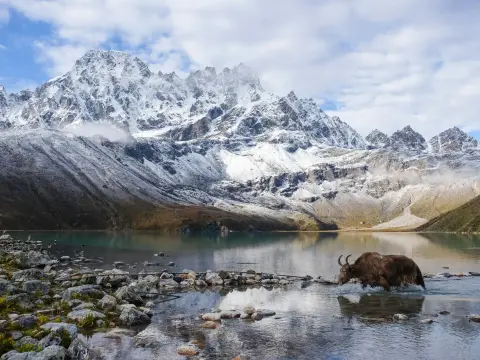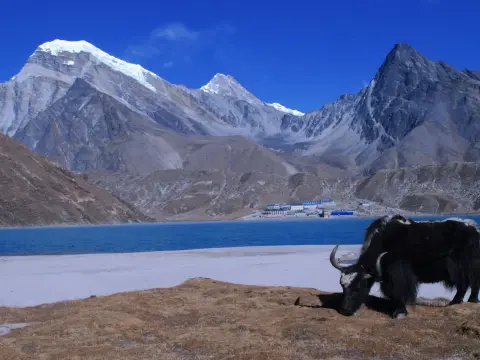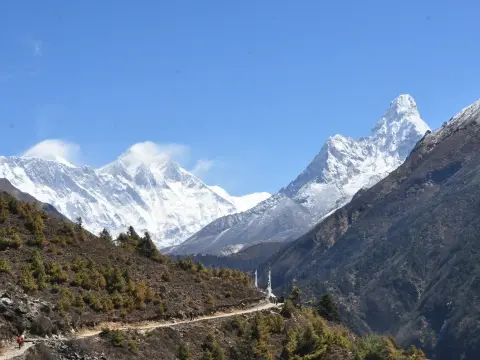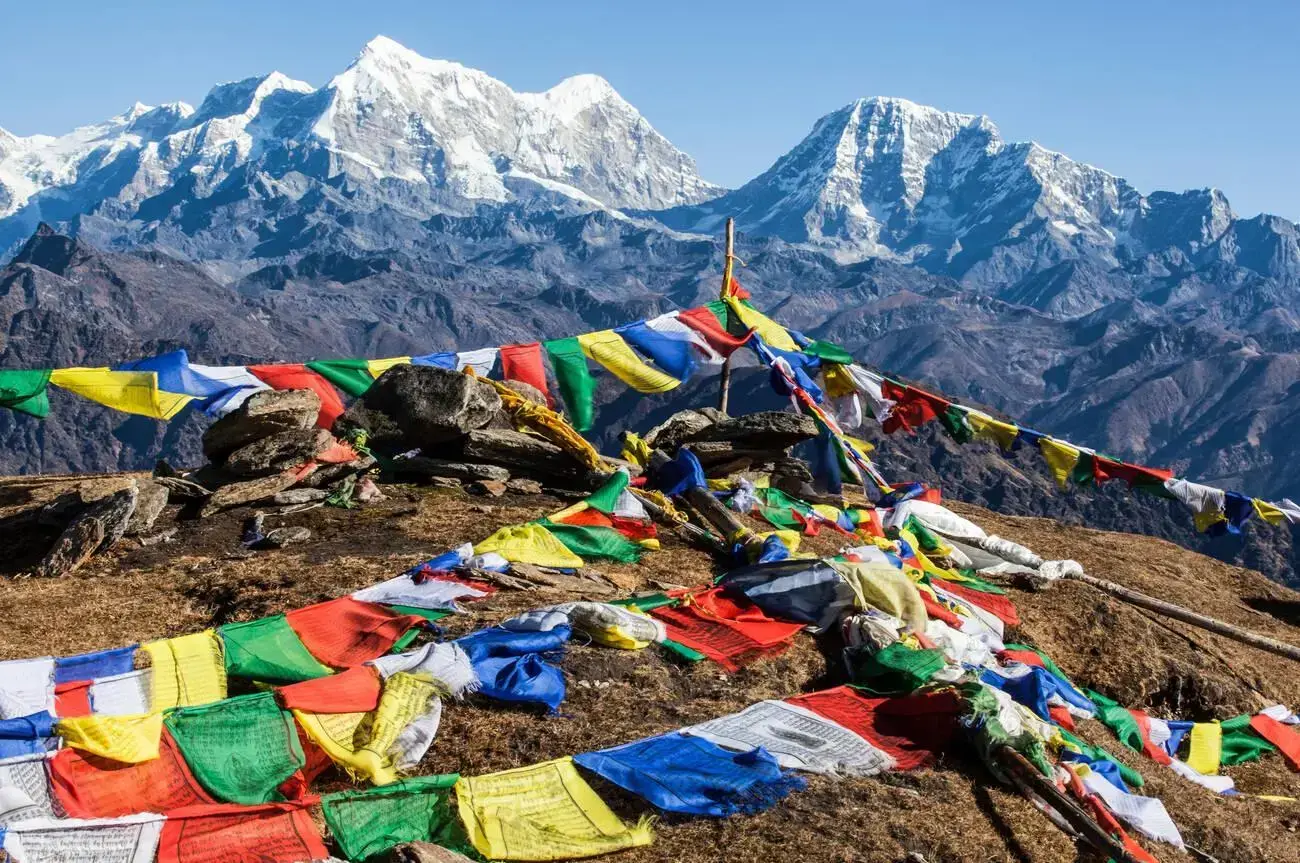
The Pikey Peak Trek is one of Nepal’s most rewarding short Himalayan adventures, offering spectacular mountain scenery, peaceful trails, traditional Sherpa villages, and beautiful views of the Everest region. Reaching an elevation of around 4,065 meters, Pikey Peak provides impressive panoramas of Mount Everest and other Himalayan giants without requiring the long commitment of some of the more demanding Everest-region treks. The journey also passes through charming settlements such as Jhapre, Junbesi, and Phaplu, allowing trekkers to experience local culture along the way.
For beginners, good preparation is the key to enjoying the trek safely and comfortably. The itinerary should allow enough time for gradual acclimatization, proper hydration, regular meals, and comfortable walking. Nepal Everest Trek can help beginners prepare for the journey with appropriate trekking arrangements, transportation, accommodation, and practical guidance.
- Duration: 11 days, including Kathmandu sightseeing and travel
- Highest point: Pikey Peak Summit, approximately 4,065 m
- Difficulty: Moderate and suitable for reasonably fit beginners
- Main attractions: Himalayan views, Sherpa culture, monasteries, forests, and traditional villages
- Important preparation: Fitness training, suitable clothing, comfortable footwear, and altitude awareness
Introduction to Pikey Peak Trek
The Pikey Peak Trek is a scenic Himalayan trekking route in the Solukhumbu region of Nepal. Although Pikey Peak is lower than many famous destinations in the Everest region, its summit offers an outstanding viewpoint over the Himalayan range, including Mount Everest, Makalu, Kanchenjunga, and several other peaks on clear days. The route is known for its peaceful atmosphere and relatively fewer trekkers compared with the popular Everest Base Camp trail.
Pikey Peak Trek | 11 days
Trekking in Nepal
The trek combines natural beauty with authentic cultural experiences. Beginning with a journey from Kathmandu toward Dhap Bazaar, the trail continues through Jhapre and Pikey Peak Base Camp before reaching the summit and descending toward Jasmane Bhanjyang and Junbesi. A rest day in Junbesi gives trekkers an opportunity to explore Thuptenchholing Monastery or enjoy another Himalayan viewpoint before continuing to Phaplu.
- Starting point: Dhap Bazaar after driving from Kathmandu
- Major stops: Jhapre, Pikey Peak Base Camp, Jasmane Bhanjyang, Junbesi, and Phaplu
- Summit elevation: About 4,065 m
- Landscape: Rhododendron forests, mountain ridges, valleys, and alpine terrain
- Cultural experience: Sherpa villages, Buddhist monasteries, and local traditions
Why Pikey Peak Trek Is Perfect for Beginners
Pikey Peak is an excellent introduction to Himalayan trekking because the journey is relatively short while still providing the feeling of a genuine high-altitude adventure. The route does not require the long walking period associated with Everest Base Camp, making it a practical choice for travelers with limited time. The trail also passes through villages and scenic landscapes, so beginners can enjoy a variety of experiences rather than focusing only on reaching a major destination.
Another advantage is the opportunity to follow a gradual itinerary. Although the trek reaches above 4,000 meters, the walking days can be managed at a comfortable pace with appropriate acclimatization. Beginners should still take altitude seriously, as mountain sickness can affect anyone. With proper preparation, sensible pacing, sufficient hydration, and guidance from an experienced trekking company such as Nepal Everest Trek, first-time trekkers can have a safe and memorable experience.
- Shorter adventure: Suitable for travelers with limited trekking time
- Manageable walking: Daily stages can be completed at a steady pace
- Spectacular scenery: Excellent views of the Himalayan range
- Less crowded: Generally quieter than the main Everest Base Camp route
- Cultural immersion: Opportunities to experience Sherpa communities and Buddhist heritage
- Beginner-friendly: Suitable for people with basic fitness and proper preparation
Best Time to Trek Pikey Peak
The best seasons for the Pikey Peak Trek are generally spring (March to May) and autumn (September to November). During these periods, the weather is usually more stable, skies are often clearer, and mountain visibility is favorable. Spring brings colorful rhododendron forests to the lower sections of the trail, while autumn is especially popular for clear Himalayan panoramas and comfortable trekking conditions.
Winter can also offer beautiful mountain scenery, but cold temperatures and possible snowfall can make higher sections more challenging. The monsoon months, particularly June through August, generally bring rain, clouds, and slippery trails, which can reduce mountain visibility and make trekking less comfortable. Nepal Everest Trek can help beginners choose an appropriate departure period according to weather conditions, trail conditions, and personal preferences.
- Spring: March to May; mild weather and blooming rhododendrons
- Autumn: September to November; clear skies and excellent mountain visibility
- Winter: December to February; colder with a possibility of snow at higher elevations
- Monsoon: June to August; wetter trails and reduced visibility
- Best overall choices: Spring and autumn
- Tip: Weather in the mountains can change quickly, regardless of season
How Difficult Is the Pikey Peak Trek?
The Pikey Peak Trek is generally considered a moderate-level trek and can be completed by beginners who have a reasonable level of fitness. The main challenge is not technical climbing but walking for several hours on varied Himalayan terrain while gradually gaining altitude. The summit day can be particularly demanding because it involves an early ascent to Pikey Peak at approximately 4,065 meters before descending toward Jasmane Bhanjyang.
Beginners do not need previous mountaineering experience, but regular preparation before the trek is strongly recommended. Walking, hiking, stair climbing, jogging, or other cardiovascular exercises several weeks before departure can improve endurance. It is also important to walk slowly, take regular breaks, drink enough water, eat properly, and communicate immediately with your guide if you experience symptoms such as severe headache, dizziness, unusual weakness, or breathing difficulties. Nepal Everest Trek can provide guidance on pacing, acclimatization, equipment, and responsible trekking practices.
- Overall difficulty: Moderate
- Technical climbing: Not required
- Fitness requirement: Basic to good cardiovascular fitness
- Main challenge: Altitude combined with sustained uphill and downhill walking
- Recommended training: Hiking, walking, stairs, and cardio exercises
- Altitude precaution: Ascend gradually and never ignore symptoms of altitude sickness
- Beginner tip: Focus on a steady pace rather than walking quickly
Recommended Pikey Peak Trek Itinerary
A well-planned itinerary is especially important for beginners because it allows the body to adjust gradually to increasing altitude while keeping daily walking distances manageable. The recommended Pikey Peak Trek itinerary by Nepal Everest Trek begins with arrival in Kathmandu, followed by sightseeing and trek preparation. The actual mountain journey starts with a drive from Kathmandu to Dhap Bazaar, followed by trekking through Jhapre to Pikey Peak Base Camp.
Pikey Peak Trek | 11 days
Trekking in Nepal
The highlight is the early-morning ascent of Pikey Peak at approximately 4,065 meters, followed by a descent to Jasmane Bhanjyang and onward to Junbesi. A rest day in Junbesi provides time to explore Thuptenchholing Monastery or enjoy a nearby viewpoint before continuing to Phaplu and returning to Kathmandu. This itinerary balances trekking, acclimatization, cultural exploration, and rest.
- Day 1: Arrival in Kathmandu
- Day 2: Kathmandu sightseeing and trek preparation
- Day 3: Drive to Dhap Bazaar
- Days 4–5: Trek through Jhapre to Pikey Peak Base Camp
- Day 6: Pikey Peak summit and descent to Jasmane Bhanjyang
- Day 7: Trek to Junbesi
- Day 8: Rest and cultural exploration
- Day 9: Trek to Phaplu
- Day 10: Drive back to Kathmandu
- Day 11: Final departure
Essential Permits and Trekking Requirements
Before beginning the Pikey Peak Trek, trekkers need to complete the required trekking formalities and carry the necessary identification documents. Permit and registration requirements can change according to government regulations and the designated trekking route, so Nepal Everest Trek can assist travelers in confirming and arranging the current requirements before departure. Trekkers should also carry a valid passport and appropriate travel and trekking insurance.
In addition to permits, beginners should make sure they are physically and mentally prepared for walking at elevations above 4,000 meters. Travel insurance that covers trekking at the planned altitude is highly recommended. Keeping copies of important documents and emergency contact information is also a useful precaution during the journey.
- Valid passport: Carry the original and copies where appropriate
- Trekking permits/registrations: Arrange according to current regulations
- Travel insurance: Choose coverage appropriate for Himalayan trekking
- Emergency details: Keep important contacts readily available
- Medical preparation: Carry necessary personal medications
- Professional support: Nepal Everest Trek can assist with trekking formalities
What to Pack for Pikey Peak Trek
Packing correctly can make a significant difference to comfort and safety, particularly for first-time trekkers. Temperatures can vary considerably between Kathmandu, lower villages, and the higher Pikey Peak area. Beginners should therefore pack layers that can be added or removed according to changing weather conditions. Good-quality trekking boots, warm clothing, and rain protection are particularly important.
A beginner does not need to carry unnecessary equipment or an extremely large backpack. Nepal Everest Trek recommends keeping the personal load manageable and bringing practical items that will actually be used on the trail. A small daypack, reusable water bottle, sunscreen, sunglasses, headlamp, basic first-aid supplies, and personal hygiene items should all be included.
- Clothing: Base layers, fleece, down jacket, trekking trousers, and warm layers
- Footwear: Comfortable, broken-in trekking boots and extra socks
- Weather protection: Waterproof jacket and backpack rain cover
- Accessories: Warm hat, gloves, sunglasses, and sun protection
- Personal items: Water bottle, toiletries, medications, and basic first aid
- Useful equipment: Headlamp, trekking poles, power bank, and sleeping accessories
- Documents: Passport, permits, insurance information, and emergency contacts
Choosing the Right Guide and Porter
Having an experienced guide can make the Pikey Peak Trek much easier for beginners. A knowledgeable guide can help with navigation, pacing, accommodation arrangements, local customs, weather changes, and altitude awareness. They can also communicate with local communities and help trekkers handle unexpected situations along the trail. Nepal Everest Trek provides professional trekking support designed to make the journey more organized and comfortable.
A porter can also be valuable for beginners because carrying a heavy backpack for several consecutive days can increase fatigue. With a porter carrying the main luggage, trekkers can concentrate on walking at a comfortable pace and enjoying the scenery. When choosing a trekking company, beginners should consider the experience of its guides, safety practices, communication, itinerary quality, and commitment to responsible tourism.
- Experienced guide: Helps with navigation, pacing, and local knowledge
- Altitude awareness: Guide should recognize potential altitude-related problems
- Porter support: Reduces the weight carried by the trekker
- Local knowledge: Adds cultural and regional insight
- Safety focus: Choose a company with clear emergency procedures
- Responsible trekking: Support fair treatment and appropriate loads for porters
- Professional organization: Nepal Everest Trek can coordinate guides, porters, and logistics
Accommodation and Food Along the Trail
Accommodation during the Pikey Peak Trek is generally provided in local teahouses and lodges along the trekking route. Facilities are simpler than those found in Kathmandu, but they provide trekkers with a place to sleep, rest, and enjoy meals. Rooms are commonly basic, and facilities can become more limited as the trail reaches higher and more remote areas. Beginners should approach the accommodation experience as part of the authentic Himalayan trekking adventure.
Food along the route typically consists of nutritious and familiar trekking meals designed to provide energy for long walking days. Dal bhat, noodles, soups, rice dishes, potatoes, eggs, vegetables, bread, and other local or simple international options may be available depending on the lodge. Drinking sufficient water and eating regular meals are important, particularly at higher elevations. Nepal Everest Trek can help arrange accommodation and meal plans appropriate to the itinerary.
- Accommodation: Local teahouses and mountain lodges
- Rooms: Generally simple and comfortable
- Meals: Dal bhat, noodles, soups, rice, potatoes, vegetables, and eggs
- Hydration: Drink regularly throughout the day
- Energy: Eat sufficient carbohydrates and nutritious meals
- Higher elevations: Expect fewer choices and simpler facilities
- Beginner advice: Carry personal snacks such as energy bars, nuts, or dried fruit
Altitude and Acclimatization Tips
Altitude is one of the most important considerations on the Pikey Peak Trek because the route reaches approximately 4,065 meters at the summit. Even though Pikey Peak is considered a moderate trek, beginners should not underestimate the effects of high altitude. The body needs time to adapt as you move from lower elevations toward Pikey Peak Base Camp and the summit.
Nepal Everest Trek recommends maintaining a slow and comfortable walking pace and taking adequate rest throughout the journey. Drink water regularly, eat nutritious meals, and avoid unnecessary exertion, particularly when approaching higher elevations. If you develop significant symptoms such as severe headache, confusion, difficulty breathing at rest, or worsening weakness, inform your guide immediately and follow their advice about descending.
- Ascend gradually and allow your body to adjust
- Walk slowly rather than trying to maintain a fast pace
- Drink plenty of fluids throughout the day
- Eat regular, energy-rich meals
- Avoid excessive alcohol at altitude
- Take symptoms of altitude sickness seriously
- Descend if serious altitude-related symptoms develop
Staying Safe During the Pikey Peak Trek
Safety begins with good preparation and sensible decisions on the trail. Mountain weather can change quickly, and trails may become slippery because of rain, snow, or frost. Beginners should follow their guide's instructions, remain aware of trail conditions, and avoid walking alone, particularly during early-morning summit hikes or in poor visibility.
Carrying suitable clothing, a headlamp, water, basic first-aid supplies, personal medication, and a charged phone or power bank can provide additional security. It is also important to stay with your trekking group and communicate promptly if you feel unwell or unusually tired. Nepal Everest Trek can help coordinate guides, transportation, accommodation, and other logistical arrangements to make the journey more organized.
- Check weather and trail conditions before walking
- Follow your guide's instructions
- Carry sufficient drinking water
- Use trekking poles on steep or uneven sections
- Carry a headlamp for early starts
- Keep your phone and power bank charged
- Do not ignore altitude or injury symptoms
- Avoid unnecessary risks for the sake of reaching the summit
Fitness Preparation for Beginner Trekkers
You do not need to be an experienced mountaineer to complete the Pikey Peak Trek, but a reasonable level of fitness makes the journey much more enjoyable. Beginners should prepare several weeks before departure by gradually increasing their walking distance and including uphill activities. Regular hiking, stair climbing, brisk walking, jogging, and other cardiovascular exercises can help build endurance for consecutive trekking days.
Strength training can also help prepare your legs and core for climbs and descents. Try to practice with a backpack similar to the one you expect to carry during the trek. The objective is not to become an athlete but to develop enough stamina to walk comfortably for several hours while maintaining a steady pace. Nepal Everest Trek recommends beginning preparation early rather than attempting intensive training immediately before departure.
- Walk or hike regularly before the trek
- Include uphill and stair-climbing exercises
- Build cardiovascular endurance gradually
- Strengthen your legs and core
- Practice walking with a light backpack
- Wear and break in your trekking boots beforehand
- Include rest and recovery days in your training
Weather and Temperature on Pikey Peak
Weather conditions in the Pikey Peak region vary considerably with season and altitude. Lower villages can feel relatively comfortable during the daytime, while temperatures become significantly colder around the higher sections and summit. Early mornings can be particularly cold, especially when starting the summit climb before sunrise, so appropriate layering is essential.
Spring and autumn generally provide the most favorable trekking conditions, although mountain weather can change rapidly even during these seasons. Winter may bring freezing temperatures and snow, while the monsoon season can produce rain, clouds, and slippery trails. Nepal Everest Trek recommends checking the expected conditions before departure and carrying flexible clothing that can handle changing temperatures.
- Spring: Mild conditions with blooming rhododendrons
- Summer/monsoon: Rain, clouds, and potentially slippery trails
- Autumn: Generally stable conditions and good mountain visibility
- Winter: Cold conditions with possible snow at higher elevations
- Carry warm layers for early mornings and evenings
- Bring waterproof protection regardless of season
- Prepare for rapid changes in mountain weather
Common Mistakes Beginners Should Avoid
One of the most common beginner mistakes is trying to walk too quickly. Trekking is an endurance activity, and maintaining a steady pace is usually more effective than rushing during the first part of the day. Beginners may also underestimate the importance of hydration, nutrition, rest, and acclimatization because Pikey Peak is shorter than some other Himalayan treks.
Another mistake is packing either too much or too little. An excessively heavy backpack can make uphill walking unnecessarily difficult, while inadequate warm or waterproof clothing can create problems when weather changes. Nepal Everest Trek encourages beginners to prioritize practical equipment and to listen to their guide when making decisions about pace, weather, and altitude.
- Do not rush uphill to keep up with faster trekkers
- Do not ignore early symptoms of altitude sickness
- Avoid skipping meals or drinking too little water
- Do not carry unnecessary heavy equipment
- Never rely on one type of clothing for all conditions
- Do not underestimate cold temperatures at higher elevations
- Avoid walking alone in unfamiliar sections
- Do not continue upward when serious symptoms are developing
Final Tips for an Easy and Memorable Pikey Peak Trek
A successful Pikey Peak Trek is about enjoying the journey rather than simply reaching the highest point. Take time to appreciate the Himalayan landscapes, Sherpa villages, monasteries, forests, and changing mountain scenery along the trail. Beginners who maintain a comfortable pace and give their bodies enough time to adapt are more likely to enjoy the trek without unnecessary fatigue.
Pikey Peak Trek | 11 days
Trekking in Nepal
Good planning also makes the experience smoother. Choose an appropriate season, prepare physically, pack wisely, follow responsible trekking practices, and work with an experienced trekking team. With careful preparation and support from Nepal Everest Trek, the Pikey Peak Trek can be an excellent first Himalayan adventure and a memorable introduction to trekking in Nepal.
- Start training before your departure
- Choose a suitable trekking season
- Pack light but prepare for cold and rain
- Stay hydrated and eat regularly
- Maintain a slow, consistent walking pace
- Give yourself enough time to rest and acclimatize
- Respect local culture, communities, and the environment
- Listen to your guide and prioritize safety over speed
- Enjoy the views and experiences along the entire trail