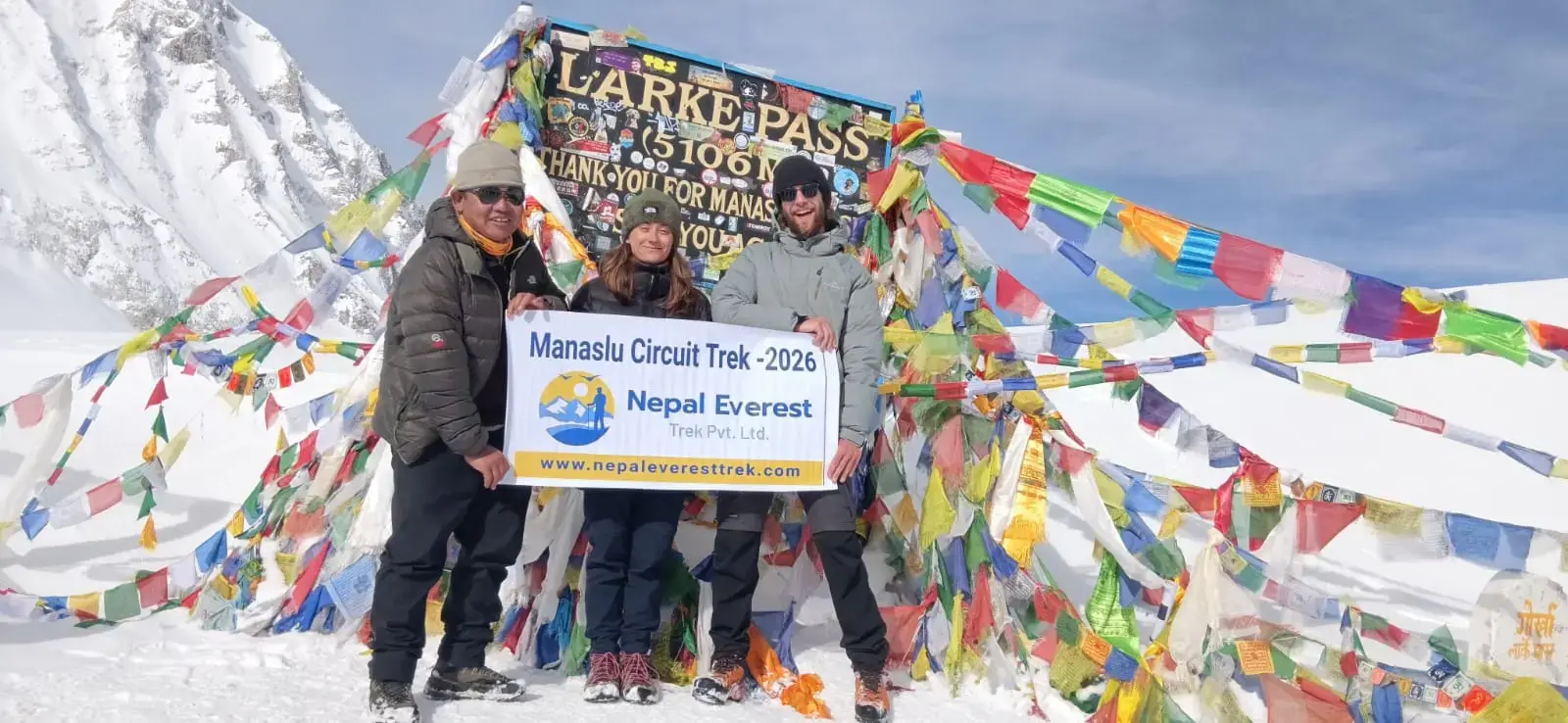
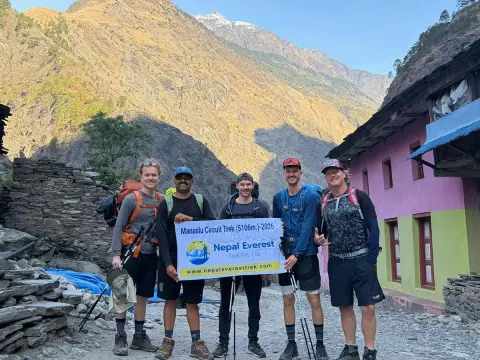
Yes, crossing Larkya La Pass (5,106 m / 16,752 ft) on the Manaslu Circuit Trek is absolutely possible, and thousands of trekkers complete it successfully each year with proper preparation, acclimatization, and guidance. It is one of the highest and most dramatic mountain passes in Nepal, connecting the Manaslu region with the Annapurna region through remote Himalayan terrain.
The itinerary you shared (organized by Nepal Everest Trek) is a classic and well-designed route that includes gradual altitude gain, acclimatization at Sama-Gaon, and a carefully planned pass-crossing day. This structure significantly increases the success rate of crossing Larkya La safely.
Key highlights of feasibility:
Well-established trekking route with teahouses and support infrastructure
Proper acclimatization stops (especially Sama-Gaon and Samdo)
Experienced guides significantly improve safety and success
Seasonal accessibility (best in spring and autumn)
Physically demanding but non-technical (no climbing gear required)
Introduction: The Question Every Trekker Asks
Is it really possible to cross Larkya La Pass on the Manaslu Circuit Trek? This is one of the most common concerns for trekkers planning this route, especially first-time high-altitude hikers. The pass sits above 5,000 meters, where oxygen levels are significantly reduced, and weather conditions can change rapidly.
Despite the challenge, Larkya La is not a technical mountaineering pass. With proper pacing, acclimatization days, and a guided itinerary from a trusted operator like Nepal Everest Trek, it becomes a demanding but achievable adventure rather than an extreme expedition.
Why trekkers worry about it:
High altitude above 5,100 meters
Long trekking day (often 8–10 hours on pass day)
Cold temperatures and wind exposure
Snow-covered or icy trails in shoulder seasons
Physical endurance requirements
Why it is still achievable:
Gradual altitude gain over 10+ days
Built-in acclimatization at Sama-Gaon (Day 9 in your plan)
Guided support for navigation and pacing
Established trekking route with emergency protocols
Understanding the Manaslu Circuit Trek
The Manaslu Circuit Trek is a remote and culturally rich trekking route that circles Mount Manaslu (8,163 m), the world’s eighth-highest mountain. It has gained popularity in recent years as an alternative to more crowded routes like the Everest Base Camp and Annapurna Circuit treks.
Your itinerary by Nepal Everest Trek covers the full classic circuit, starting from Machha Khola and gradually ascending through villages like Jagat, Deng, Namrung, Lo-Gaon, and Sama-Gaon before crossing Larkya La Pass and descending into the Annapurna region.
Route highlights:
Remote villages with strong Tibetan-influenced culture
Deep river gorges and suspension bridges
Alpine forests transitioning into high Himalayan terrain
Close views of Manaslu, Himalchuli, and surrounding peaks
Gradual acclimatization-friendly progression
Why it’s becoming popular:
Less crowded than Everest or Annapurna Base Camp
Rich cultural immersion in restricted regions
Dramatic scenery changes from subtropical to alpine
Strong sense of wilderness and isolation
Comparison with other treks:
More remote than Annapurna Circuit
Less commercialized than Everest Base Camp
Slightly more demanding due to remoteness and pass altitude
More culturally preserved villages
What Makes Larkya La Pass So Challenging?
Larkya La Pass is not technically difficult, but it is physically and mentally demanding due to altitude, weather exposure, and long trekking hours. At 5,106 meters, oxygen levels drop to nearly half of sea level, which affects stamina and decision-making.
Trekkers usually start before sunrise on the pass day (Day 12 in your itinerary) to avoid strong winds and unstable weather conditions in the afternoon. The descent to Bhimtang is long and steep, which can be equally exhausting as the climb.
Main challenges:
Altitude (5,106 m):
Reduced oxygen levels cause fatigue and breathlessness
Risk of Acute Mountain Sickness (AMS) if not acclimatized
Headaches, nausea, and slow physical performance
Weather conditions:
Sudden snowfall possible even in trekking seasons
Strong winds at the top of the pass
Low temperatures (often below -10°C at night/early morning)
Trail difficulty:
Long ascent (from Dharmasala) and long descent to Bhimtang
Rocky, icy, or snow-covered sections depending on season
Requires steady pacing and endurance
Key preparation tips:
Follow acclimatization days strictly (especially Sama-Gaon)
Maintain slow and steady walking pace (“slow is safe” rule)
Stay hydrated and eat regularly
Use proper layered clothing for extreme cold
Trek with experienced guides from Nepal Everest Trek
Is Crossing Larkya La Pass Physically Possible for Trekkers?
Yes, crossing Larkya La Pass (5,106 m) is physically possible for most reasonably fit trekkers, even without mountaineering experience. It is considered a high-altitude trekking pass rather than a technical climb, meaning no ropes, ice axes, or climbing skills are required. However, it does demand strong endurance, mental resilience, and the ability to walk long hours in cold and thin air.
On a typical itinerary organized by Nepal Everest Trek, trekkers spend around 10–12 days gradually gaining altitude before attempting the pass. This structured progression significantly improves physical adaptation and makes the challenge achievable for prepared individuals.
Fitness requirements and endurance level needed:
Ability to walk 6–8 hours daily on uneven terrain
Comfortable hiking with a backpack for multiple days
Good cardiovascular fitness (walking, jogging, cycling helps)
Mental stamina for long, cold trekking days
No need for technical climbing experience
Who can realistically attempt it:
Fit beginners with prior trekking experience at lower altitudes
Intermediate hikers looking for a high Himalayan challenge
Adventurous trekkers prepared for long trekking days
NOT recommended for people with severe heart, lung, or altitude-related medical issues
Best Season to Cross Larkya La Pass Safely
Choosing the right season is one of the most important factors for successfully crossing Larkya La Pass. Weather conditions at high altitude can change rapidly, and visibility, temperature, and trail safety vary greatly throughout the year. The two best seasons are spring (March–May) and autumn (September–November).
With Nepal Everest Trek, most Larkya La crossings are scheduled during these windows because they offer stable weather, clear mountain views, and safer trail conditions.
Spring vs Autumn conditions:
Spring (March–May):
Mild temperatures and blooming rhododendron forests
Gradually melting snow on higher sections
Good visibility in mornings
Slight chance of residual snow on the pass
Autumn (September–November):
Most stable weather of the year
Crystal-clear mountain views after monsoon
Dry and firm trails, ideal for trekking
Cold mornings but excellent visibility
Why winter and monsoon are risky:
Winter (Dec–Feb):
Heavy snowfall blocks Larkya La Pass
Extreme cold temperatures (below -20°C possible)
Many teahouses may close in higher regions
Monsoon (June–August):
Landslides and slippery trails in lower sections
Poor visibility due to clouds and rain
Leeches and muddy trekking paths
High risk of delays and route disruption
Altitude Sickness: The Biggest Concern
Altitude sickness (Acute Mountain Sickness or AMS) is the most important health consideration when crossing Larkya La Pass. As trekkers ascend above 3,000 meters—especially nearing 5,106 meters—oxygen levels drop significantly, which can affect how the body functions.
Even well-fit individuals can experience symptoms if they ascend too quickly. That is why the itinerary from Nepal Everest Trek includes gradual elevation gain and a dedicated acclimatization day at Sama-Gaon.
Symptoms at high elevation:
Headache and dizziness
Nausea or loss of appetite
Fatigue and difficulty sleeping
Shortness of breath during light activity
In severe cases: confusion or vomiting
Prevention strategies during the trek:
Ascend slowly and avoid rapid altitude gain
Drink 3–4 liters of water daily
Avoid alcohol and smoking
Eat light but frequent meals for energy
Use medications like Diamox (only if prescribed)
Inform your guide immediately if symptoms appear
Why acclimatization days matter:
Allows the body to adjust to lower oxygen levels
Reduces risk of severe AMS or evacuation
Improves stamina for the Larkya La crossing day
Essential stop at Sama-Gaon (Day 9 in your itinerary)
Helps trekkers perform safely during the highest section
Preparation Guide Before Attempting the Pass
Proper preparation is one of the most important factors in successfully crossing Larkya La Pass (5,106 m). While the trek is achievable for most fit individuals, the high altitude, cold temperatures, and long walking days require both physical and mental readiness. A well-prepared trekker is far more likely to enjoy the experience and avoid altitude-related complications.
With Nepal Everest Trek, preparation begins even before arriving in Nepal, as trekkers are advised on fitness routines, packing lists, and altitude awareness. The goal is not athletic performance, but steady endurance and resilience over multiple days of trekking.
Physical training tips:
Walk or hike 4–6 hours weekly with elevation gain
Practice stair climbing or hill walking for endurance
Train with a backpack (5–8 kg) to simulate trekking load
Focus on stamina rather than speed
Essential gear and clothing:
Thermal base layers for cold temperatures
Waterproof and windproof jacket and pants
Sturdy trekking boots with ankle support
Warm gloves, hat, and down jacket
Sunglasses and sunscreen for UV protection
Trekking poles for steep ascents and descents
Mental readiness for extreme altitude:
Prepare for slow walking pace and long days
Accept discomfort as part of the experience
Stay calm in cold or challenging conditions
Be ready for simple teahouse living
Understand that weather can change plans quickly
Role of Guides and Porters in Crossing Larkya La
Guides and porters play a crucial role in ensuring safety, comfort, and success during the Manaslu Circuit Trek, especially when crossing Larkya La Pass. Due to the remote nature of the region and the high altitude, having experienced support significantly increases safety and reduces stress for trekkers.
With Nepal Everest Trek, professional licensed guides lead the journey, manage pacing, monitor altitude symptoms, and make informed decisions in case of weather or health concerns.
Why guided treks are strongly recommended:
Navigation in remote and less-marked trails
Real-time altitude sickness monitoring
Knowledge of safe acclimatization pacing
Assistance in weather-related decisions
Communication with lodges and support teams
Safety support in emergencies:
Immediate response to altitude sickness symptoms
Coordination of evacuation if required
First aid assistance during injuries or fatigue
Weather-based route adjustments
Ensuring group safety over individual speed
Role of porters:
Carry heavy backpacks (reducing physical strain)
Allow trekkers to conserve energy for altitude gain
Support logistics between villages and teahouses
Improve overall trekking comfort and endurance
Real Experience: What It Feels Like on the Summit Day
Crossing Larkya La Pass is often the most intense and unforgettable day of the entire Manaslu Circuit Trek. Trekkers usually begin their journey before dawn, often around 3–4 AM, to avoid strong afternoon winds and unstable weather conditions. The air is extremely cold, and the first hours of walking are slow and quiet.
As you ascend higher, the landscape becomes more dramatic—rocky terrain, snow patches, and wide Himalayan views gradually appear. The final approach to the pass can feel physically demanding due to thin air and steep sections, but the sense of progress keeps motivation high.
Early morning start and long climb:
Departure before sunrise from Dharmasala
Cold, dark trekking conditions with headlamps
Gradual ascent over rocky and snowy trails
Frequent short breaks due to altitude
Steady, slow pace is essential for success
Weather shifts and visibility challenges:
Sudden wind increases near the top
Temperature can drop sharply during ascent
Snow or fog may reduce visibility
Clear skies can quickly change to harsh conditions
Flexibility is key for safety decisions
Emotional reward of reaching the pass:
First panoramic view of Himalayan peaks from the top
Sense of achievement after a challenging climb
Brief rest and photos at 5,106 meters
Long but scenic descent toward Bhimtang
Deep satisfaction and unforgettable trekking memory
Risks You Should Not Ignore
Crossing Larkya La Pass (5,106 m) is generally safe when properly planned, but it is still a high-altitude Himalayan pass where natural risks exist. Understanding these risks is essential before attempting the Manaslu Circuit Trek. The region is remote, weather is unpredictable, and rescue support is limited compared to more commercial trekking routes.
With guidance from Nepal Everest Trek, most risks are managed through careful timing, acclimatization, and experienced leadership. However, trekkers must also personally understand the environment and remain cautious throughout the journey.
Avalanches and sudden weather changes:
Snow accumulation can increase avalanche risk in winter or early spring
Weather can shift rapidly from clear skies to heavy snow or wind
Whiteout conditions may reduce visibility near the pass
Strong winds at the summit can make walking difficult
Temperature drops can occur suddenly, increasing exposure risk
Trail navigation difficulties:
Snow-covered or unclear trail markings near the pass
Rocky and icy terrain requiring careful footing
Limited human presence in higher regions
Navigation becomes harder in fog or snowfall
Dependence on experienced guides is essential
Emergency evacuation limitations:
Remote location delays rescue response times
Helicopter evacuation depends on weather conditions
Limited medical facilities along the route
Communication can be weak in high-altitude zones
Self-awareness and early symptom reporting are critical
Tips to Successfully Cross Larkya La Pass
Successfully crossing Larkya La Pass is not just about physical strength—it is about strategy, patience, and awareness of your body’s limits. The difference between success and difficulty often lies in how well trekkers manage pace, hydration, and altitude adaptation.
With Nepal Everest Trek, trekkers are guided step-by-step through pacing strategies, rest schedules, and acclimatization plans to maximize safety and enjoyment during the high-altitude section of the trek.
Pace control and hydration:
Walk slowly and steadily (no rushing at altitude)
Take frequent short breaks during ascent
Drink 3–4 liters of water daily
Avoid overexertion early in the day
Listen to your body’s signals
Proper acclimatization strategy:
Follow all planned rest days (especially Sama-Gaon)
Avoid rapid altitude gain
Sleep at lower elevations when possible
Use “climb high, sleep low” principle when guided
Monitor symptoms of altitude sickness early
Staying mentally resilient:
Accept slow progress as normal at high altitude
Stay positive during long and cold trekking hours
Focus on small milestones instead of the full climb
Prepare for discomfort as part of the journey
Trust guide decisions in challenging situations
Conclusion: So, Is It Possible?
Yes—crossing Larkya La Pass (5,106 m) on the Manaslu Circuit Trek is absolutely possible for most fit and well-prepared trekkers. It is not a technical climb, but a high-altitude endurance challenge that requires preparation, patience, and respect for the mountain environment.
With proper planning, acclimatization, and professional support from Nepal Everest Trek, trekkers consistently complete the pass safely and return with one of the most rewarding Himalayan experiences in Nepal.
Final verdict on crossing Larkya La Pass:
Physically possible for fit trekkers
Safe with proper acclimatization and guidance
Non-technical but high-altitude demanding trek
Best attempted in spring or autumn seasons
Requires strong endurance and mental preparation
Who should attempt it:
Experienced hikers looking for a high Himalayan challenge
Fit beginners with prior trekking experience and preparation
Adventurous travelers comfortable with long trekking days
Trekkers ready for remote and basic mountain conditions
Who shouldn’t attempt it:
Individuals with serious heart, lung, or altitude-related conditions
Travelers without basic fitness preparation
Those expecting luxury-style trekking facilities
Anyone unwilling to adapt to unpredictable mountain conditions