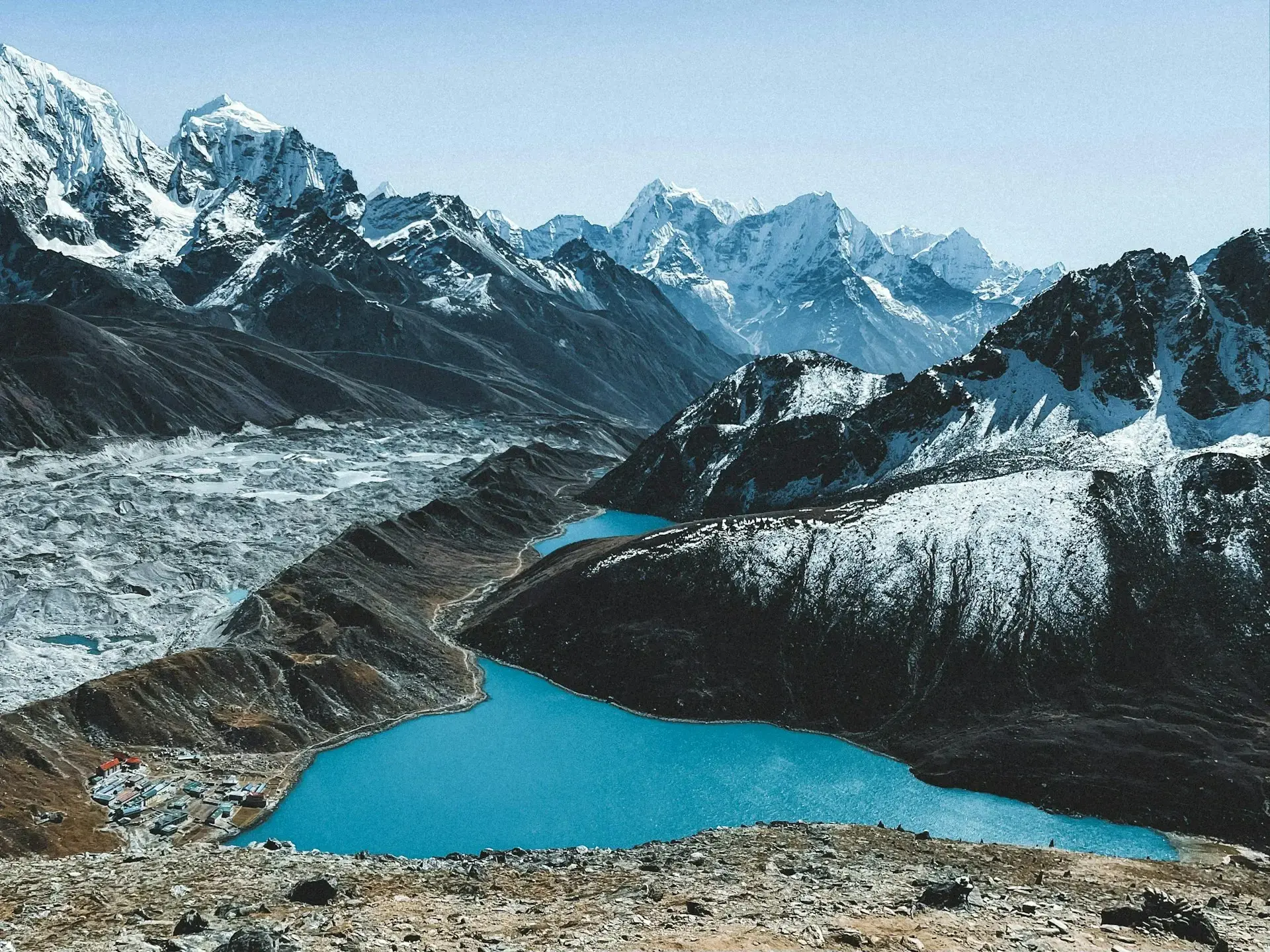
The Everest Base Camp Trek via Gokyo Lake is one of Nepal’s most spectacular high-altitude trekking adventures, combining the turquoise glacial lakes of the Gokyo Valley with the legendary trail to Everest Base Camp. Organized by Nepal Everest Trek, this 18-day Himalayan journey offers a rewarding blend of dramatic mountain scenery, Sherpa culture, alpine landscapes, and challenging high passes.
Unlike the classic Everest Base Camp route, this itinerary takes trekkers through the peaceful Gokyo Valley before crossing the challenging Cho La Pass and continuing toward Everest Base Camp and Kala Patthar. The route is ideal for adventurous trekkers who want to experience more of the Everest region in a single journey.
Key points:
- 18-day complete Himalayan adventure
- Gokyo Lakes and Gokyo Valley exploration
- Optional Gokyo Ri sunrise hike
- Crossing the challenging Cho La Pass
- Everest Base Camp excursion
- Kala Patthar mountain viewpoint
- Sherpa villages, monasteries, and mountain culture
Introduction to the Everest Base Camp Trek via Gokyo Lake
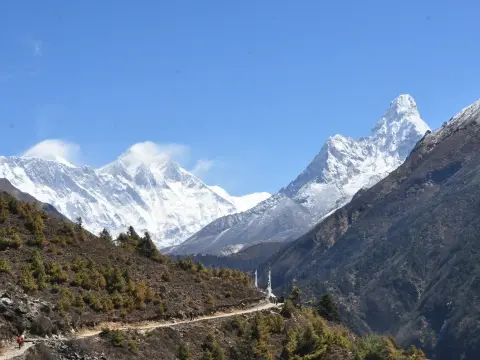
The Everest Base Camp Trek via Gokyo Lake begins in Kathmandu and continues with a scenic flight to Lukla, the gateway to the Everest region. From Lukla, the trail passes through Phakding and Namche Bazaar before heading toward the quieter valleys of Dole, Machhermo, and Gokyo. The changing landscape, from lush lower valleys to rugged alpine terrain, makes every day of the trek distinctive.
Everest Base Camp Trek via Gokyo Lake | 18 days
Trekking in Nepal
After acclimatizing around Gokyo, the journey becomes more adventurous as the trail crosses Cho La Pass and reaches Dzongla and Lobuche. Trekkers then continue to Gorak Shep and Everest Base Camp before hiking to Kala Patthar for breathtaking views of Everest and the surrounding peaks. The return journey follows the trail toward Pheriche, Namche Bazaar, and Lukla before flying back to Kathmandu.
Route highlights:
- Kathmandu → Lukla
- Lukla → Phakding → Namche Bazaar
- Namche → Dole → Machhermo → Gokyo
- Gokyo → Thagnak → Cho La → Dzongla
- Dzongla → Lobuche → Gorak Shep
- Everest Base Camp and Kala Patthar
- Pheriche → Namche → Lukla → Kathmandu
Why Choose the Everest Base Camp Trek via Gokyo Lake?
Choosing the Gokyo Lake route allows trekkers to experience two of the most iconic destinations in the Everest region rather than following only the traditional Everest Base Camp trail. The peaceful Gokyo Valley, surrounded by enormous Himalayan peaks, provides a quieter and visually stunning alternative before joining the main Everest Base Camp route.
The journey also combines natural beauty with cultural experiences. Along the trail, trekkers encounter traditional Sherpa settlements, Buddhist monasteries, prayer wheels, colorful prayer flags, and mountain lodges. With acclimatization days incorporated into the itinerary, the trek provides time to adjust to increasing altitude while enjoying the surrounding landscapes.
Main reasons to choose this trek:
- Experience both Gokyo Lakes and Everest Base Camp
- Cross the spectacular Cho La Pass
- Enjoy panoramic Himalayan mountain views
- Explore authentic Sherpa communities
- Visit Namche Bazaar and traditional villages
- Hike to Gokyo Ri and Kala Patthar
- Experience diverse landscapes and high-altitude terrain
Highlights of the Gokyo Lake and Everest Base Camp Trek
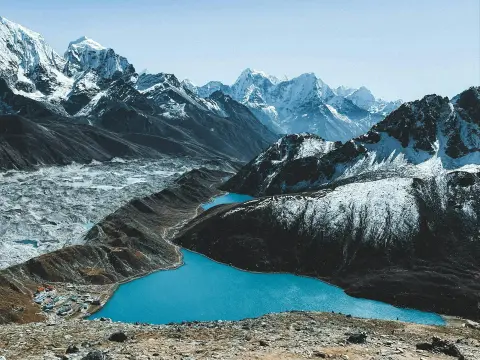
One of the major attractions of the trek is Gokyo Valley, home to a series of beautiful turquoise glacial lakes surrounded by snow-covered Himalayan peaks. The optional hike to Gokyo Ri provides an extraordinary viewpoint over Everest, Cho Oyu, Lhotse, Makalu, and the surrounding mountain ranges. The peaceful atmosphere of Gokyo makes it one of the most memorable sections of the journey.
The trek then becomes more challenging with the crossing of Cho La Pass, followed by the approach to Everest Base Camp. Reaching Base Camp is a major achievement, while the hike to Kala Patthar provides one of the finest close-up panoramas of Mount Everest. The combination of lakes, glaciers, high passes, valleys, villages, and iconic peaks makes this route exceptionally diverse.
Top highlights:
- Scenic flight between Kathmandu and Lukla
- Namche Bazaar and Sherpa culture
- Gokyo Valley and turquoise glacial lakes
- Optional Gokyo Ri viewpoint hike
- Cho La Pass crossing
- Everest Base Camp
- Kala Patthar viewpoint
- Views of Everest, Lhotse, Nuptse, Cho Oyu, and Makalu
- Traditional monasteries and mountain villages
Best Time for the Everest Base Camp Trek via Gokyo Lake
The best seasons for the Everest Base Camp Trek via Gokyo Lake are generally spring and autumn. Spring, particularly from March to May, brings relatively stable weather, comfortable trekking conditions, blooming rhododendrons at lower elevations, and excellent mountain visibility. Autumn, especially from September to November, is also popular because the monsoon usually leaves behind clear skies and crisp Himalayan views.
Winter can bring very cold temperatures and snow, particularly around Gokyo and Cho La Pass, while the monsoon season can bring rain, clouds, slippery trails, and flight disruptions around Lukla. Because this itinerary includes a high mountain pass, weather conditions should always be considered carefully when selecting travel dates.
Recommended seasons:
- Spring: March to May
- Autumn: September to November
- Winter: Possible for experienced trekkers with suitable preparation
- Monsoon: More challenging due to rain, clouds, and trail conditions
Gokyo Lakes: A Stunning Himalayan Paradise
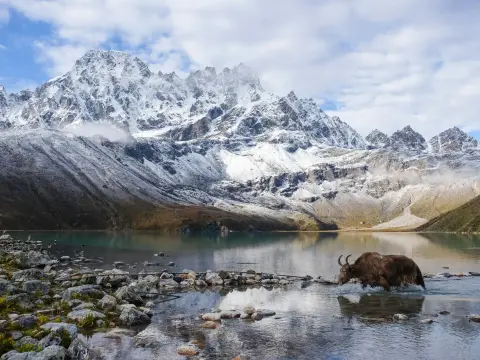
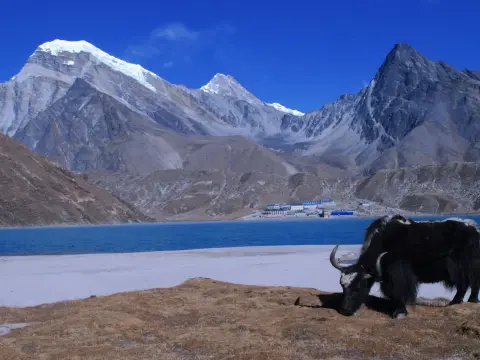
The Gokyo Lakes are among the most beautiful natural attractions in Nepal’s Everest region and form one of the major highlights of the Everest Base Camp Trek via Gokyo Lake. These turquoise glacial lakes sit amid a spectacular high-altitude landscape, surrounded by snow-covered peaks, glaciers, rocky valleys, and traditional Himalayan settlements. Reaching Gokyo after trekking through Dole and Machhermo provides a rewarding change of scenery from the more crowded sections of the Everest route.
The Gokyo Valley also offers an opportunity to experience the mountains from a quieter and more peaceful perspective. Trekkers can spend an acclimatization day exploring the lakes or take the optional hike to Gokyo Ri for expansive views of Everest, Cho Oyu, Lhotse, Makalu, and other Himalayan giants. Nepal Everest Trek incorporates this beautiful valley into the itinerary to provide a more diverse Everest experience.
- Turquoise glacial Gokyo Lakes
- Dramatic Himalayan mountain scenery
- Gokyo Valley exploration
- Optional Gokyo Ri viewpoint hike
- Views of Everest, Cho Oyu, Lhotse, and Makalu
Crossing Cho La Pass on the Everest Adventure
Crossing Cho La Pass is one of the most exciting and challenging sections of the Everest Base Camp Trek via Gokyo Lake. The pass connects the Gokyo Valley with the Everest Base Camp region and takes trekkers through rugged high-altitude terrain. The journey from Thagnak toward Cho La involves a demanding ascent, with the landscape becoming increasingly rocky, icy, and mountainous as you approach the pass.
Everest Base Camp Trek via Gokyo Lake | 18 days
Trekking in Nepal
Once at the top, trekkers are rewarded with impressive views of the surrounding Himalayan peaks and a tremendous sense of achievement. Conditions at Cho La can vary depending on the season, and snow or ice may make the crossing more demanding. Nepal Everest Trek plans this section with appropriate pacing and experienced trekking support so that trekkers can approach the pass safely and confidently.
- High-altitude Cho La Pass crossing
- Rugged glacial terrain
- Spectacular Himalayan panoramas
- Challenging and rewarding trekking day
- Experienced trekking support recommended
Reaching Everest Base Camp: A Dream Come True
Reaching Everest Base Camp is the defining moment for many trekkers undertaking the Gokyo–Everest adventure. After crossing Cho La Pass and continuing through Dzongla and Lobuche, the trail leads toward Gorak Shep and finally to the famous base camp at the foot of the world’s highest mountain. The surrounding Khumbu Glacier and dramatic Himalayan peaks create an unforgettable setting.
Standing at Everest Base Camp represents the culmination of days of trekking, acclimatization, physical effort, and determination. Trekkers can celebrate this achievement while taking photographs and enjoying the extraordinary mountain environment before returning to Gorak Shep. With Nepal Everest Trek, the Base Camp excursion is incorporated into a carefully structured itinerary that also includes the renowned Kala Patthar viewpoint.
- Visit Everest Base Camp
- Experience the Khumbu Glacier
- Incredible views of the surrounding peaks
- Celebrate a major trekking achievement
- Continue to Kala Patthar for another spectacular viewpoint
Acclimatization and Altitude on the Gokyo–Everest Trek
Acclimatization is an essential part of the Everest Base Camp Trek via Gokyo Lake because the route reaches elevations where the effects of reduced oxygen can become significant. The itinerary includes acclimatization time at Namche Bazaar and Gokyo, allowing trekkers to gradually adapt before continuing toward higher elevations. Resting does not necessarily mean remaining inactive; short hikes and exploration at appropriate elevations can support the acclimatization process.
Trekkers should maintain a comfortable pace, stay well hydrated, eat adequately, and communicate any unusual symptoms to their guide. Altitude-related problems can affect anyone regardless of age or fitness, so listening to your body is extremely important. Nepal Everest Trek structures the itinerary with gradual elevation gain and rest periods, but trekkers should still be prepared to follow their guide’s recommendations and descend if serious altitude symptoms develop.
- Gradual elevation gain
- Acclimatization day at Namche Bazaar
- Acclimatization day at Gokyo
- Stay hydrated and maintain nutrition
- Trek at a steady, comfortable pace
- Follow professional guide recommendations
Difficulty Level and Fitness Requirements
The Everest Base Camp Trek via Gokyo Lake is considered a challenging high-altitude trek because it combines long trekking days, significant elevation gain, rugged terrain, and the crossing of Cho La Pass. The route is more demanding than the standard Everest Base Camp itinerary because of the additional Gokyo Valley section and high-pass crossing. Trekkers should be comfortable walking for several hours on consecutive days.
You do not need to be an elite athlete, but good cardiovascular fitness, leg strength, endurance, and mental preparation are highly beneficial. Training with regular hiking, stair climbing, uphill walking, and longer-distance walks before the trip can make the experience more manageable. Nepal Everest Trek recommends preparing well in advance and selecting suitable equipment for cold, variable, and high-altitude conditions.
- Challenging high-altitude trekking route
- Good stamina and endurance required
- Regular pre-trek hiking is beneficial
- Uphill and downhill training recommended
- Mental resilience is important
- Suitable preparation for Cho La Pass is essential
Food and Accommodation During the Trek
During the Everest Base Camp Trek via Gokyo Lake, trekkers stay primarily in traditional teahouses and mountain lodges along the route. Accommodation is generally simple and comfortable, with basic rooms, beds, blankets, and shared bathroom facilities in many locations. As the trail reaches higher elevations, facilities become more basic because transporting supplies and construction materials into remote Himalayan areas is challenging. Nepal Everest Trek arranges suitable accommodation according to the trekking itinerary and availability.
Food along the trail provides the energy needed for long days of walking at high altitude. Teahouses and lodges typically serve a variety of meals, including traditional Nepali dishes, Tibetan-influenced foods, soups, noodles, rice, pasta, potatoes, eggs, vegetables, and breakfast items. Dal Bhat is particularly popular because it provides a filling combination of rice, lentils, vegetables, and curry.
- Traditional teahouse and lodge accommodation
- Breakfast, lunch, and dinner during trekking days
- Nepali and international meal options
- Dal Bhat and other energy-rich foods
- Hot drinks such as tea and coffee
- Simple rooms with basic mountain facilities
Essential Packing List for the Himalayan Adventure
Packing correctly is important for the Everest Base Camp Trek via Gokyo Lake because the route passes through environments ranging from lower-elevation forests to cold, windy, and snowy high-altitude terrain. A layered clothing system is particularly useful because temperatures can change significantly throughout the day. Good-quality trekking boots, warm layers, waterproof clothing, gloves, and a warm sleeping bag are among the most important items.
Trekkers should also pack personal medications, sun protection, water purification supplies, and basic first-aid essentials. A comfortable backpack, trekking poles, headlamp, sunglasses, and a durable water bottle or hydration system can make the journey more convenient. Nepal Everest Trek can provide guidance on appropriate equipment before departure and help trekkers understand what should be carried personally and what may be handled by porters.
- Comfortable trekking boots
- Thermal base layers and fleece
- Down or insulated jacket
- Waterproof jacket and trousers
- Warm hat, gloves, and trekking socks
- Sleeping bag suitable for cold conditions
- Sunglasses and sunscreen
- Headlamp with spare batteries
- Water bottle and purification method
- Personal medicines and basic first-aid supplies
- Backpack and trekking poles
The Everest Base Camp Trek via Gokyo Lake requires the necessary permits and local trekking documentation for the Everest region. The exact permit requirements and fees can change, so trekkers should confirm the current requirements before traveling. Nepal Everest Trek assists trekkers with the required documentation and guides the practical arrangements needed for the journey.
The trek also involves a scenic flight between Kathmandu and Lukla, where weather conditions can sometimes affect flight schedules. Flexible planning is therefore helpful. Trekkers should also carry some Nepalese currency because card facilities and ATMs may be limited or unavailable in remote mountain villages. Communication and internet services can also become less reliable as the trail climbs higher.
- Required trekking permits and documentation
- Lukla flight arrangements
- Flexible schedule for possible weather delays
- Nepalese cash for remote areas
- Limited ATM and card facilities at higher elevations
- Mobile and internet connectivity may vary
Safety Tips for Trekking in the Everest Region
Safety should be a priority throughout the Everest Base Camp Trek via Gokyo Lake, particularly because the route reaches high elevations and includes the demanding Cho La Pass. Trekkers should follow a gradual pace, allow adequate time for acclimatization, remain hydrated, and avoid pushing themselves beyond their physical limits. Any symptoms associated with altitude illness should be communicated immediately to the trekking guide.
Weather can change rapidly in the Himalayas, especially at higher elevations. Trekkers should remain prepared for cold temperatures, strong winds, snowfall, and changes in trail conditions. Appropriate clothing, reliable footwear, careful walking on uneven terrain, and following the instructions of experienced guides are essential. Nepal Everest Trek emphasizes responsible trekking practices and careful itinerary management to help provide a safer and more enjoyable Himalayan experience.
- Acclimatize gradually
- Stay hydrated and eat regularly
- Walk at a comfortable pace
- Follow your guide’s instructions
- Monitor symptoms of altitude illness
- Be prepared for changing weather
- Use appropriate footwear and trekking equipment
- Take extra care on steep, icy, or uneven trails
- Descend when serious altitude symptoms occur
Conclusion: Why This Is the Ultimate Himalayan Adventure
The Everest Base Camp Trek via Gokyo Lake combines some of the finest experiences the Everest region has to offer. From the lively streets of Namche Bazaar and peaceful Gokyo Valley to the turquoise Gokyo Lakes, demanding Cho La Pass, legendary Everest Base Camp, and panoramic Kala Patthar viewpoint, every stage of the journey offers something distinctive. The route is not simply a trek to Everest; it is a complete exploration of the landscapes and cultures of the Khumbu Himalayas.
Everest Base Camp Trek via Gokyo Lake | 18 days
Trekking in Nepal
For adventurous travelers looking for a more comprehensive Everest experience, this route provides an exceptional combination of natural beauty, physical challenge, cultural encounters, and personal achievement. With thoughtful preparation, appropriate acclimatization, and experienced support from Nepal Everest Trek, the 18-day journey can become one of the most memorable adventures of a lifetime.
- Explore the spectacular Gokyo Lakes
- Cross the challenging Cho La Pass
- Reach legendary Everest Base Camp
- Enjoy sunrise views from Kala Patthar
- Experience authentic Sherpa culture
- Trek through glaciers, valleys, forests, and alpine landscapes
- Create lasting memories in the heart of the Himalayas