Join our fixed departure treks.  4.9 of 528 reviews
 4.8 of 214 reviews
4.9 of 528 reviews 4.8 of 214 reviews 
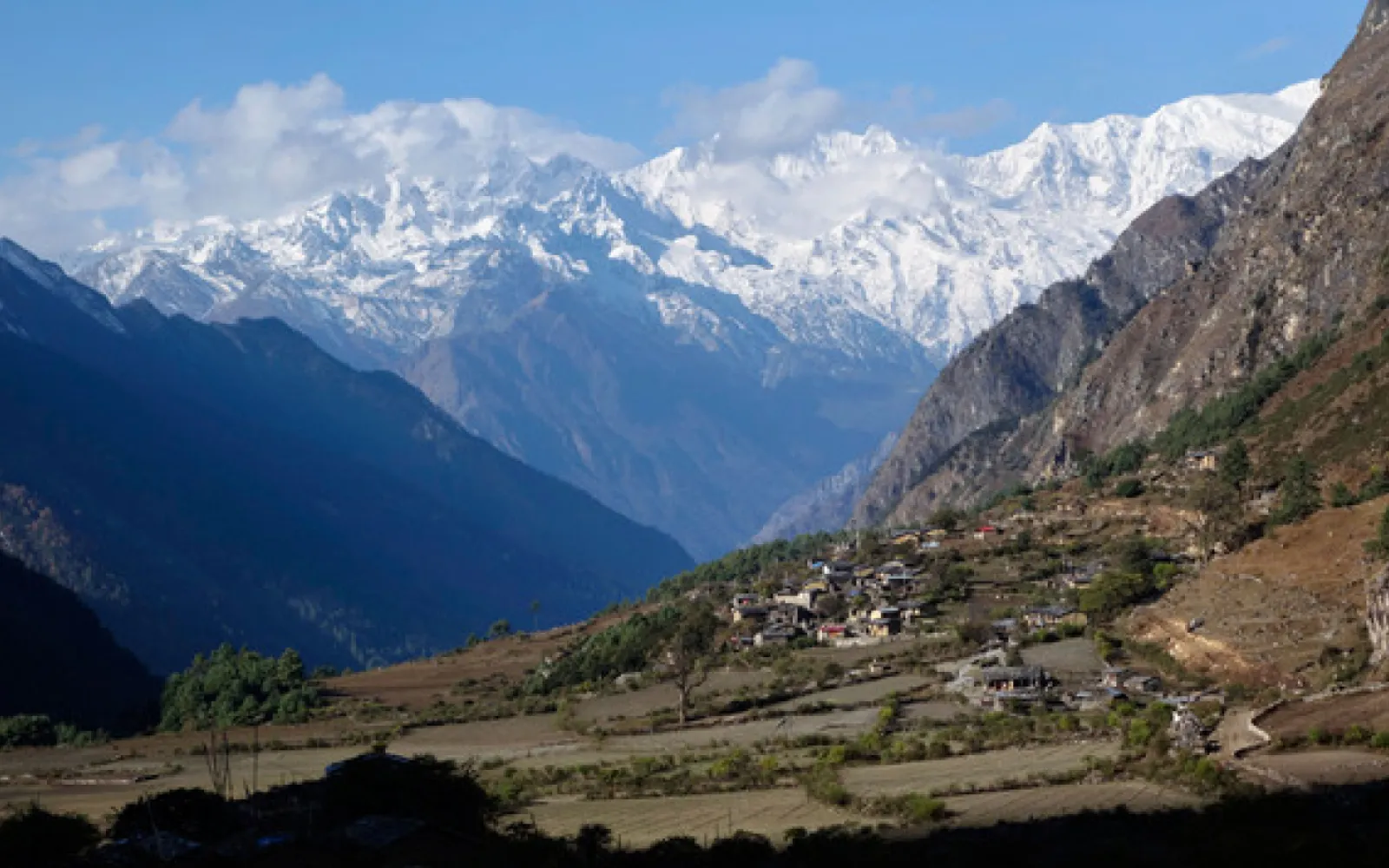
The Manaslu and Tsum Valley Trek is one of Nepal's most rewarding Himalayan adventures, offering a wonderful combination of breathtaking mountain scenery, ancient Tibetan Buddhist culture, traditional villages, and peaceful landscapes. Located in the remote northern part of the Gorkha district, this extraordinary trekking journey takes you through the beautiful Tsum Valley and the spectacular Manaslu region, providing an opportunity to explore some of the most untouched destinations in the Nepalese Himalayas.
Organized by Nepal Everest Trek, this 19-day adventure is designed for trekkers who want to experience the natural and cultural beauty of the Himalayas while discovering less-crowded trekking routes. The journey includes visits to traditional settlements, ancient monasteries, beautiful forests, glacial rivers, and impressive mountain viewpoints before reaching the challenging Larkya La Pass at 5,160 meters.
The trek combines the hidden charm of Tsum Valley with the magnificent landscapes of the Manaslu Circuit, making it an excellent choice for adventure lovers, cultural explorers, and experienced mountain trekkers.
Key overview highlights:
The Manaslu and Tsum Valley Trek is a spectacular Himalayan journey that introduces trekkers to two of Nepal's most culturally rich and naturally beautiful trekking destinations. The adventure begins with a scenic drive from Kathmandu to Machha Khola, followed by a gradual trekking journey through beautiful river valleys, traditional settlements, suspension bridges, and lush green forests. As you move deeper into the mountains, the scenery changes from subtropical landscapes to alpine forests and impressive Himalayan surroundings.
One of the most fascinating parts of this adventure is exploring Tsum Valley, a remote Himalayan region famous for its ancient Buddhist traditions, peaceful villages, and spiritual atmosphere. The valley is home to historic monasteries, prayer flags, mani walls, chortens, and traditional Tibetan-influenced settlements. Places such as Chumling, Rachen Gompa, Nile, and Mu Gompa offer a unique opportunity to experience the traditional lifestyle and religious heritage of the local communities.
After exploring Tsum Valley, the journey continues toward the beautiful Manaslu region, where trekkers discover impressive mountain scenery, traditional villages, and the dramatic landscapes surrounding Mount Manaslu (8,163m). The adventure eventually reaches Larkya La Pass, one of the most memorable highlights of the trek.
What makes this trek special?
The Manaslu and Tsum Valley trekking regions are situated in the northern part of Gorkha District in Gandaki Province, Nepal, close to the Nepal-Tibet border. Both destinations lie within the magnificent Himalayan landscape and are part of the Manaslu Conservation Area. Their remote geographical location has helped preserve their traditional culture, natural beauty, and peaceful mountain environment.
The Tsum Valley is located in the northeastern section of the Manaslu region, surrounded by impressive Himalayan mountains and traditional Tibetan-influenced settlements. It is often called a hidden valley because of its isolated location, distinctive cultural heritage, and relatively limited visitor numbers. Important settlements include Chumling, Chhokang Paro, Nile, and Mu Gompa, where trekkers can explore ancient monasteries and experience the traditional lifestyle of the local people.
The Manaslu region lies around Mount Manaslu, the world's eighth-highest mountain, standing at 8,163 meters. The Manaslu Circuit follows the Budhi Gandaki River valley before gradually ascending toward Samagaon, Samdo, and Larkya Phedi. The route then crosses Larkya La Pass before descending toward Bimthang and Dharapani.
Geographical highlights:
Exploring the hidden beauty of Manaslu and Tsum Valley offers much more than a traditional Himalayan trekking experience. It provides an opportunity to discover remote mountain communities, experience ancient Buddhist traditions, enjoy spectacular natural scenery, and explore peaceful trekking trails away from Nepal's more crowded trekking destinations. The combination of cultural exploration and high-altitude adventure makes this journey particularly special.
Tsum Valley is especially attractive to travelers interested in traditional Himalayan culture and spirituality. Its ancient monasteries, Buddhist prayer walls, traditional houses, and welcoming local communities create a unique atmosphere. The region has maintained many of its traditional customs and religious practices, allowing visitors to experience a different side of Nepalese mountain life.
The Manaslu Circuit adds another dimension to the adventure with its dramatic Himalayan scenery, beautiful alpine valleys, glacial landscapes, and challenging mountain pass. From the breathtaking surroundings of Samagaon to the impressive views along the Larkya La Pass, every section of the journey offers something memorable.
With Nepal Everest Trek, trekkers can explore these remarkable destinations through a carefully planned itinerary that combines cultural discovery, natural beauty, and mountain adventure.
Top reasons to explore this trekking region:
The Manaslu and Tsum Valley Trek features numerous natural, cultural, and adventure highlights throughout its 19-day journey. From the beautiful landscapes along the Budhi Gandaki River to the peaceful settlements of Tsum Valley, every trekking day introduces a new experience. The route combines cultural exploration, monastery visits, mountain scenery, and challenging high-altitude trekking.
One of the most remarkable attractions is Mu Gompa, situated at approximately 3,700 meters in the upper Tsum Valley. This important Buddhist monastery offers a peaceful spiritual atmosphere and magnificent views of the surrounding Himalayan landscape. Rachen Gompa is another significant religious destination, providing insight into the region's Buddhist traditions and monastic lifestyle.
The journey also includes beautiful mountain settlements such as Samagaon and Samdo, where trekkers can enjoy spectacular views of Mount Manaslu and experience traditional Himalayan village life. The acclimatization day at Samagaon offers opportunities to visit Birendra Lake, Pungen Monastery, or Manaslu Base Camp, depending on weather conditions, fitness, and available time.
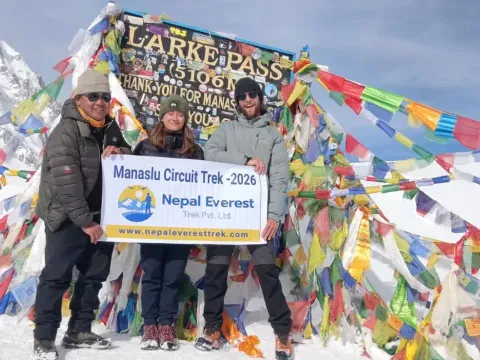
The ultimate adventure highlight is crossing Larkya La Pass at 5,160 meters. This challenging mountain crossing rewards trekkers with unforgettable views of snow-covered peaks, glaciers, and dramatic Himalayan landscapes.
Major trekking highlights include:
The Manaslu region is famous for its extraordinary geographical diversity, offering some of the most beautiful natural landscapes in Nepal. During the Manaslu and Tsum Valley Trek, trekkers experience dramatic changes in scenery as they gradually climb from the lower river valleys toward the high Himalayan mountains. The journey begins among green hills, terraced farmland, waterfalls, and subtropical forests before entering remote alpine environments with snow-covered peaks and glacial valleys.
In the lower Manaslu region, the trail follows the beautiful Budhi Gandaki River through narrow valleys, suspension bridges, rocky paths, and traditional villages. Dense forests of rhododendron, pine, and bamboo create a peaceful natural environment, while the surrounding hills and flowing rivers make the early trekking days particularly enjoyable. As the trail gains elevation, the landscapes become increasingly dramatic, with towering cliffs, deep gorges, and distant Himalayan mountain views.
Further into the mountains, the scenery changes into an impressive alpine environment. Around Samagaon and Samdo, trekkers can enjoy breathtaking views of Mount Manaslu, surrounding glaciers, and high mountain valleys. The landscapes around Larkya Phedi and Larkya La Pass are particularly spectacular, featuring rocky mountain slopes, frozen lakes, glaciers, and expansive snow-covered Himalayan peaks.
The descent toward Bimthang introduces another beautiful landscape filled with alpine meadows, glacial rivers, and impressive mountain scenery. This remarkable diversity makes the Manaslu region an unforgettable destination for nature lovers, photographers, and adventure seekers.
Natural attractions of the Manaslu region:
Through the Manaslu and Tsum Valley Trek, Nepal Everest Trek invites you to discover the remarkable natural beauty, cultural heritage, and unforgettable mountain experiences of one of Nepal's most extraordinary trekking regions.
Tsum Valley is one of the most beautiful and spiritually significant destinations in the Nepalese Himalayas. Hidden in the northern part of Gorkha District, this remote valley is surrounded by magnificent mountains, deep forests, beautiful rivers, and traditional Himalayan settlements. Often known as a sacred Himalayan valley, Tsum offers a peaceful atmosphere where ancient Buddhist traditions and natural beauty exist together. Its isolated location has helped preserve its unique cultural identity and traditional way of life.
During the Manaslu and Tsum Valley Trek, trekkers have the opportunity to explore beautiful villages such as Lokpa, Chumling, and Nile while discovering the spiritual importance of the region. The journey also includes visits to important Buddhist monasteries, including Rachen Gompa and Mu Gompa, where visitors can experience the peaceful atmosphere of Himalayan Buddhist culture. The surrounding landscapes, traditional stone houses, prayer flags, and spectacular mountain views make Tsum Valley a truly memorable destination.
With Nepal Everest Trek, travelers can explore the hidden beauty of Tsum Valley through an unforgettable trekking experience that combines cultural discovery, spiritual exploration, and natural adventure.
Major attractions of Tsum Valley:
One of the most fascinating aspects of the Manaslu and Tsum Valley Trek is the opportunity to experience the rich Tibetan Buddhist culture and traditions that have been preserved for generations. The communities of Tsum Valley and the upper Manaslu region have strong cultural connections with Tibet, reflected in their religious practices, traditional clothing, architecture, festivals, and everyday lifestyles. Buddhism plays an important role in local society, influencing the customs, beliefs, and daily activities of the people.
Throughout the trekking journey, visitors can observe colorful prayer flags fluttering in the mountain wind, Buddhist mani walls decorated with sacred inscriptions, and traditional monasteries where monks continue their spiritual practices. The local communities follow Buddhist traditions that emphasize peace, compassion, respect for nature, and harmony among people. These cultural experiences provide trekkers with a deeper understanding of Himalayan life beyond the natural beauty of the mountains.
The people of this region have maintained their cultural identity despite the challenges of living in remote mountain settlements. Their traditional hospitality, religious celebrations, and strong community relationships make the trekking experience especially meaningful. Nepal Everest Trek encourages travelers to appreciate and respect these local traditions while exploring the cultural treasures of the Manaslu and Tsum Valley region.
Cultural experiences along the trek:
The traditional villages of Manaslu and Tsum Valley offer a wonderful opportunity to experience authentic Himalayan lifestyles. These remote settlements are surrounded by beautiful mountain landscapes, terraced fields, forests, and flowing rivers. Local people continue to follow traditional agricultural practices, raise livestock, and maintain their cultural customs despite the challenges of living in high-altitude mountain environments.
During the trek, visitors pass through several charming villages, including Jagat, Lokpa, Chumling, Nile, Samagaon, and Samdo. Each settlement has its own character, traditional stone houses, narrow walking paths, small monasteries, and welcoming local communities. In Tsum Valley, many villages display strong Tibetan cultural influences, while settlements along the Manaslu Circuit reflect a fascinating mixture of Himalayan traditions.
Staying in local teahouses provides trekkers with opportunities to interact with residents, enjoy traditional Nepalese and Tibetan-influenced meals, and learn about everyday mountain life. Visitors may also observe local farming activities, yak and livestock herding, and traditional household practices. These simple but meaningful experiences make the journey more than just a mountain adventure.
With Nepal Everest Trek, trekkers can discover the authentic lifestyle of Himalayan communities while enjoying the natural and cultural attractions of this remarkable region.
Traditional village experiences include:
The Manaslu and Tsum Valley Trek is particularly famous for its religious landmarks and spiritual heritage. Throughout the trekking route, visitors encounter ancient monasteries, Buddhist chortens, mani walls, and colorful prayer flags that reflect the deep spiritual traditions of the Himalayan communities. These religious structures are important parts of local culture and provide insight into the Buddhist beliefs that have shaped life in the region for centuries.
One of the most important spiritual destinations in Tsum Valley is Rachen Gompa, a significant Buddhist nunnery known for its peaceful environment and religious importance. Further into the valley, Mu Gompa offers another memorable cultural experience. Located at approximately 3,700 meters, this monastery is surrounded by dramatic mountain scenery and provides visitors with an opportunity to appreciate the spiritual atmosphere of upper Tsum Valley.
As the trek continues through the Manaslu region, trekkers encounter numerous mani walls, chortens, and traditional Buddhist monuments. These structures are often decorated with sacred inscriptions and religious symbols. Walking clockwise around mani walls and chortens is an important local Buddhist custom, so visitors should follow these traditions respectfully.
Important religious and cultural landmarks:
Exploring these religious landmarks with Nepal Everest Trek allows travelers to understand the spiritual significance of the region while appreciating its remarkable cultural heritage.
The Manaslu and Tsum Valley Trek offers some of the most spectacular mountain scenery in Nepal. Throughout the journey, trekkers enjoy impressive views of snow-covered Himalayan peaks, deep valleys, beautiful glaciers, alpine forests, and traditional mountain villages. The changing landscapes create a remarkable trekking experience, beginning with green hills and river valleys before gradually entering the dramatic high-altitude environment of the Himalayas.
One of the main attractions is Mount Manaslu (8,163m), the eighth-highest mountain in the world. Its magnificent snow-covered summit dominates the surrounding landscape, particularly around Samagaon and nearby viewpoints. Trekkers can also enjoy beautiful views of surrounding Himalayan peaks, including the mountains around the Manaslu and Ganesh Himal ranges. The landscapes become increasingly impressive as the route approaches Samdo, Larkya Phedi, and Larkya La Pass.
The Tsum Valley section also provides wonderful mountain scenery, with peaceful valleys surrounded by impressive Himalayan peaks. The landscapes around Chumling, Rachen Gompa, Nile, and Mu Gompa combine traditional settlements with spectacular natural surroundings. Birendra Lake and the viewpoints around Pungen Monastery provide additional opportunities to appreciate the region's glacial landscapes and mountain beauty.
For photographers, nature lovers, and adventure enthusiasts, the trek offers countless opportunities to capture unforgettable Himalayan scenery. Nepal Everest Trek provides an opportunity to explore these beautiful landscapes through a carefully organized trekking adventure.
Major mountain and natural scenery highlights:
Crossing Larkya La Pass at approximately 5,160 meters is one of the most exciting and challenging highlights of the Manaslu and Tsum Valley Trek. This spectacular mountain pass is situated in the northern section of the Manaslu region and connects the remote upper Budhi Gandaki Valley with the beautiful landscapes leading toward Bimthang. The crossing offers an unforgettable high-altitude adventure and rewards trekkers with extraordinary views of surrounding Himalayan peaks, glaciers, and snow-covered mountain landscapes.
Before attempting the pass, trekkers spend a night at Larkya Phedi, also known as Dharamsala, at approximately 4,480 meters. An early morning departure is generally necessary to take advantage of favorable weather and safer trekking conditions. The trail gradually climbs through rocky mountain terrain, snow-covered sections when present, and high-altitude landscapes before reaching the summit of Larkya La. Although the crossing is physically demanding, the breathtaking mountain scenery makes the effort worthwhile.
After reaching the top of the pass, trekkers begin a long descent toward Bimthang at approximately 3,720 meters. This section offers beautiful views of glaciers, alpine valleys, and surrounding Himalayan mountains. Reaching Bimthang after successfully crossing Larkya La is a rewarding moment and one of the most memorable achievements of the entire trekking journey.
With Nepal Everest Trek, proper preparation, acclimatization, experienced trekking guidance, and appropriate equipment are essential parts of enjoying this challenging Himalayan adventure safely.
Highlights of crossing Larkya La Pass:
Important trekking considerations:
The Manaslu Conservation Area is one of Nepal's most beautiful natural destinations, offering an impressive variety of plant life, wildlife, and diverse Himalayan ecosystems. During the Manaslu and Tsum Valley Trek, trekkers pass through different vegetation zones, beginning with subtropical forests and gradually ascending toward temperate woodlands, alpine meadows, and high-altitude mountain landscapes. The changing climate and geographical conditions create habitats for numerous plant and animal species.
The lower sections of the trekking route are covered with lush forests of bamboo, oak, pine, and rhododendron. During spring, blooming rhododendron forests add beautiful colors to the mountain landscapes. As trekkers gain altitude, the vegetation gradually becomes thinner, with alpine shrubs, grasses, and hardy mountain plants dominating the higher regions. These natural environments provide excellent opportunities for nature lovers and photography enthusiasts.
The conservation area is also home to several fascinating Himalayan wildlife species. Depending on the location and season, trekkers may encounter Himalayan musk deer, Himalayan tahr, blue sheep, langur monkeys, and various bird species. Rare animals such as the elusive snow leopard and red panda also inhabit parts of the wider conservation area, although sightings are uncommon.
With Nepal Everest Trek, travelers can explore these beautiful natural surroundings while learning about the importance of protecting Nepal's unique Himalayan biodiversity.
Flora and fauna highlights:
Choosing the right season is important for enjoying the Manaslu and Tsum Valley Trek. The region experiences different weather conditions throughout the year because of its changing altitude and geographical location. Spring and autumn are generally considered the best seasons for trekking, offering relatively stable weather, comfortable daytime temperatures, and beautiful mountain views.
Spring Season (March to May)
Spring is one of the most beautiful times to explore Manaslu and Tsum Valley. During this season, the lower trekking trails become colorful with blooming rhododendrons, wildflowers, and fresh green vegetation. The weather gradually becomes warmer, and the mountain views are often excellent, particularly during clear mornings.
This season is especially attractive for nature lovers and photographers who want to experience the colorful landscapes of the Himalayan region.
Autumn Season (September to November)
Autumn is another excellent season for the Manaslu and Tsum Valley Trek. Following the monsoon rains, the skies generally become clearer, the mountain scenery becomes more visible, and the trekking trails offer spectacular views of the surrounding Himalayan peaks.
The comfortable daytime weather and relatively stable conditions make autumn particularly suitable for crossing Larkya La Pass. It is also a popular trekking season, so accommodation and trekking arrangements should be organized in advance.
Other Seasons
Winter, from December to February, brings extremely cold conditions to the higher sections of the route. Heavy snowfall can affect access to Larkya La Pass, and some teahouses may close. The monsoon season, from June to August, brings frequent rainfall, slippery trails, cloudy mountain views, and possible landslides in the lower valleys.
Best trekking seasons at a glance:
Recommendation from Nepal Everest Trek: We generally recommend spring and autumn for this adventure because these seasons offer favorable conditions for exploring Tsum Valley and crossing Larkya La Pass. However, actual weather conditions should always be checked before departure.
The Manaslu and Tsum Valley Trek is considered a challenging Himalayan trekking adventure because of its long duration, remote location, significant elevation changes, and high-altitude mountain crossing. The journey combines approximately 19 days of travel and trekking, including the exploration of Tsum Valley, the Manaslu Circuit, an acclimatization day at Samagaon, and the challenging crossing of Larkya La Pass at 5,160 meters.
The trekking route includes several days of continuous walking through steep uphill sections, rocky trails, narrow mountain paths, suspension bridges, and high-altitude terrain. Some trekking days can require approximately 5–8 hours of walking, depending on the route, weather, walking speed, and trail conditions. The crossing of Larkya La Pass is particularly demanding because of the high altitude, cold temperatures, and long walking distance.
Although previous high-altitude trekking experience is beneficial, physically fit and determined beginners may also complete this adventure with appropriate preparation and guidance. Good cardiovascular fitness, leg strength, stamina, and mental determination are important for enjoying the journey.
Trekking difficulty and requirements:
Physical preparation tips:
Nepal Everest Trek recommends proper physical preparation and gradual acclimatization to help trekkers enjoy this challenging Himalayan journey safely.
The Manaslu and Tsum Valley Trek is located in a restricted trekking region of Nepal, meaning trekkers must obtain the necessary permits and follow government regulations before entering the area. Proper documentation and trekking arrangements are essential for a smooth and enjoyable journey. Because of the remote geographical location and restricted-area regulations, independent solo trekking is not permitted under the applicable rules.
Trekkers generally need a Manaslu Restricted Area Permit, a Tsum Valley Restricted Area Permit, and a Manaslu Conservation Area Permit (MCAP). Depending on the complete itinerary and exit route, an Annapurna Conservation Area Permit (ACAP) may also be required. Permit fees and seasonal regulations can change, so it is important to confirm the latest requirements before traveling.
A licensed trekking guide and an authorized trekking agency are essential for organizing the journey. An experienced guide helps navigate remote mountain trails, manage daily trekking arrangements, communicate with local communities, and provide assistance in challenging situations. At Nepal Everest Trek, we emphasize proper preparation, experienced trekking support, and responsible travel practices.
Essential trekking permits:
Important trekking arrangements:
Essential trekking equipment:
Proper preparation helps make the Manaslu and Tsum Valley Trek safer, more comfortable, and more enjoyable.
Accommodation during the Manaslu and Tsum Valley Trek is mainly provided by local teahouses, guesthouses, and basic mountain lodges. These accommodations offer simple but comfortable facilities for trekkers traveling through the remote Himalayan settlements. Most teahouses provide twin-sharing rooms with basic beds, mattresses, pillows, and blankets. However, facilities become more limited as the trekking route reaches higher and more remote areas.
In villages such as Machha Khola, Jagat, Chumling, and Samagaon, trekkers can generally find teahouses with basic dining areas and comfortable places to rest after a day of walking. In upper Tsum Valley, including Nile and the area around Mu Gompa, accommodation is more basic because of the remote location. Similarly, facilities at Samdo and Larkya Phedi are relatively simple, especially during the busy trekking season.
Food along the route includes a combination of traditional Nepalese meals, Tibetan-influenced dishes, and some international options. Dal Bhat, consisting of rice, lentil soup, vegetables, and pickles, is one of the most common and nutritious meals available throughout the trek. Other popular options include noodles, fried rice, soups, potatoes, Tibetan bread, momos, and porridge.
Hot drinks such as tea, coffee, ginger tea, and lemon tea are also commonly available. Since supplies must be transported to remote mountain villages, food choices can become more limited, and prices generally increase with altitude.
Accommodation facilities:
Food options along the trek:
Useful accommodation and food tips:
Nepal Everest Trek helps arrange suitable accommodation and meal plans throughout the journey, allowing trekkers to focus on enjoying the beautiful landscapes and cultural experiences of Manaslu and Tsum Valley.
The Manaslu and Tsum Valley Trek is an extraordinary Himalayan adventure that brings together breathtaking mountain scenery, ancient Buddhist culture, traditional villages, beautiful forests, and challenging high-altitude trekking. From the peaceful settlements of Tsum Valley to the magnificent landscapes surrounding Mount Manaslu, every section of this journey offers a unique opportunity to discover the hidden beauty of Nepal.
The adventure begins with the scenic drive from Kathmandu to Machha Khola and gradually continues through beautiful river valleys, traditional settlements, and remote mountain communities. Exploring Lokpa, Chumling, Rachen Gompa, Nile, and Mu Gompa provides unforgettable cultural and spiritual experiences. The journey then continues through the spectacular Manaslu region, including Samagaon, Samdo, and Larkya Phedi, before reaching the remarkable Larkya La Pass at 5,160 meters.
Crossing Larkya La Pass and descending toward Bimthang creates one of the most rewarding moments of the entire adventure. The combination of natural beauty, cultural discovery, physical challenges, and warm Himalayan hospitality makes this 19-day trekking experience truly memorable.
Whether you are an adventure enthusiast, nature lover, cultural explorer, or experienced Himalayan trekker, this journey offers an excellent opportunity to discover a less-explored side of Nepal.
Why choose Nepal Everest Trek?
With Nepal Everest Trek, discover the hidden beauty of Manaslu and Tsum Valley, experience the spiritual charm of the Himalayas, and create unforgettable memories in one of Nepal's most spectacular mountain destinations.
Your Himalayan adventure awaits!
Our travel experts are ready to assist you with any questions.
Send us a message.Have a question before you book? Send your enquiry below and our travel experts will get back with the required information.