Join our fixed departure treks.  4.9 of 528 reviews
 4.8 of 214 reviews
4.9 of 528 reviews 4.8 of 214 reviews 
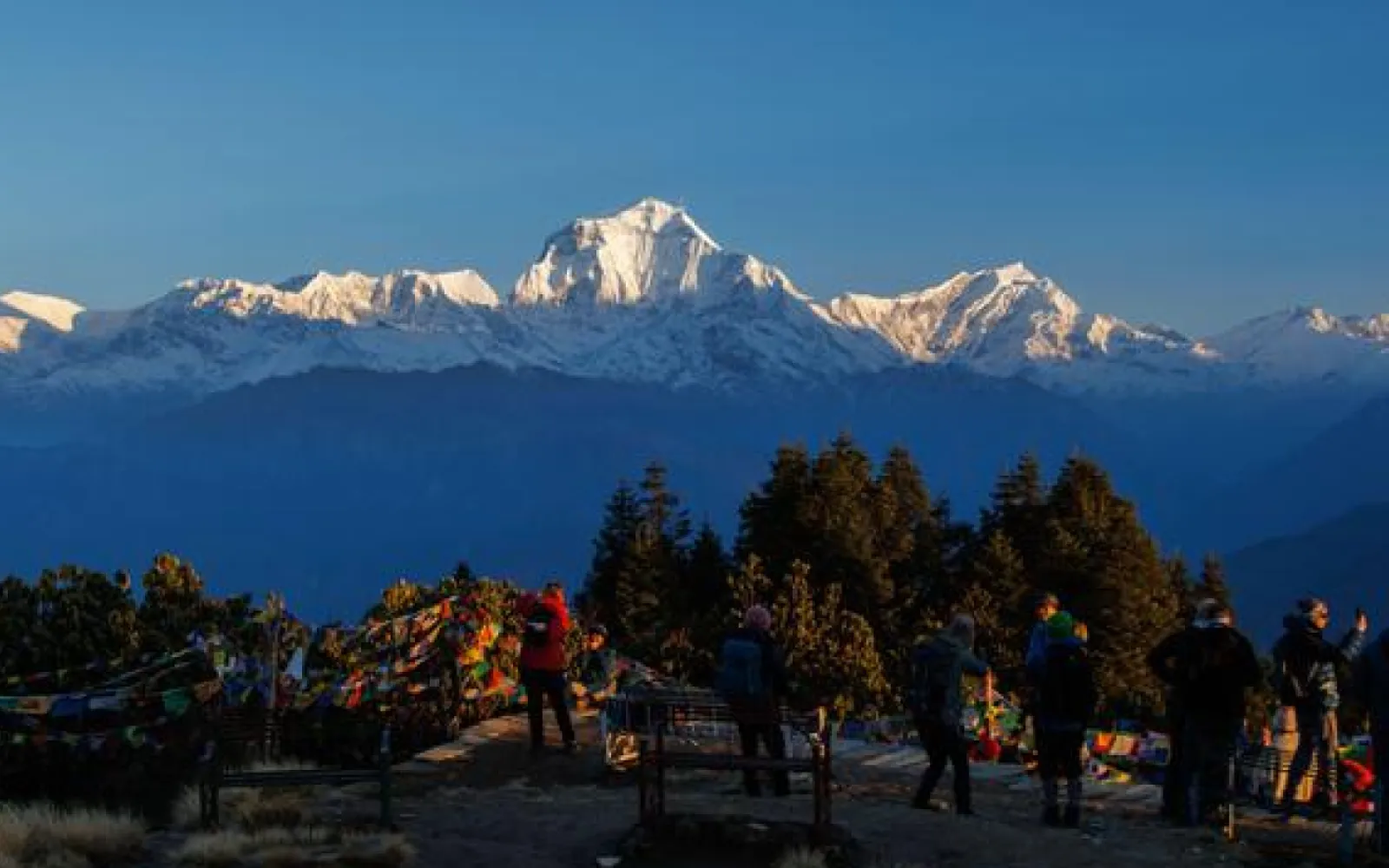
The Ghorepani Poon Hill Trek in Nepal is one of the most popular short trekking adventures in the Annapurna region, offering breathtaking mountain scenery, beautiful traditional villages, lush forests, and an unforgettable Himalayan sunrise. This trek is an excellent choice for travelers who want to experience the natural beauty of the Himalayas without undertaking a long or technically challenging expedition. With Nepal Everest Trek, you can enjoy a memorable journey through the picturesque landscapes of the Annapurna region while discovering Nepalese culture, warm hospitality, and stunning mountain views.
The highlight of this adventure is the early morning hike to Poon Hill Viewpoint, where the first rays of sunlight illuminate the snow-covered peaks of the Annapurna and Dhaulagiri mountain ranges. The golden glow across the Himalayas creates a magical atmosphere that makes every step of the journey worthwhile. From the lively streets of Kathmandu to the peaceful villages of Ghorepani and Ghandruk, this eight-day itinerary combines scenic drives, rewarding trekking experiences, and unforgettable mountain panoramas.
During the trek, you will walk along stone staircases, explore traditional Gurung and Magar settlements, and pass through beautiful rhododendron forests. The journey offers an ideal balance of adventure, relaxation, and cultural exploration for travelers seeking an authentic Himalayan experience.
The Magical Sunrise on the Ghorepani Poon Hill Trek is a remarkable Himalayan experience that attracts trekkers from around the world. Located in Nepal's beautiful Annapurna region, Poon Hill is renowned for its panoramic mountain views and spectacular sunrise scenery. The trek is suitable for many first-time trekkers, nature lovers, couples, families with suitable fitness levels, and adventure enthusiasts who want to explore the Himalayas within a relatively short period.
Your adventure begins in Kathmandu, the cultural heart of Nepal, before continuing by road to Pokhara, a beautiful lakeside city surrounded by hills and mountains. From Pokhara, you travel to Nayapul and begin trekking toward Ulleri via Tikhedhunga. The trail gradually introduces you to the peaceful mountain environment, with stone steps, cascading streams, green hillsides, and traditional villages creating a wonderful trekking atmosphere.
As the journey continues toward Ghorepani, the landscape becomes increasingly scenic, with dense forests and occasional glimpses of snow-covered peaks. The early morning ascent to Poon Hill is the most anticipated part of the trek, rewarding you with a magnificent sunrise over the Himalayan horizon. After enjoying the viewpoint, you continue toward Ghandruk, a picturesque village known for its traditional architecture, Gurung culture, and impressive mountain scenery.
With Nepal Everest Trek, travelers can experience this beautiful journey with organized transportation, a planned trekking itinerary, and opportunities to discover the local lifestyle of Nepal's mountain communities.
What makes this trek special?
Ghorepani Poon Hill is famous for its spectacular panoramic views of some of the most impressive mountains in the Annapurna and Dhaulagiri regions. Before dawn, trekkers make their way from Ghorepani to the viewpoint, often carrying warm clothing and a camera to capture the morning scenery. As the sky gradually brightens, the surrounding peaks emerge from the darkness, and the first golden sunlight spreads across the snow-covered mountains.
The viewpoint offers impressive views of the Annapurna massif, Dhaulagiri, Machhapuchhre (Fishtail), and other Himalayan peaks. The changing colors of the mountains, ranging from soft pink and orange to brilliant gold, create an unforgettable natural spectacle. On a clear morning, the wide mountain panorama provides excellent opportunities for photography and quiet moments of appreciation.
Another reason Poon Hill is so popular is its accessibility compared with many longer Himalayan expeditions. Although the early morning climb involves uphill walking and can be cold, it does not require technical climbing skills. This makes the viewpoint an attractive destination for travelers who want to experience the beauty of the high Himalayas without committing to a lengthy expedition.
The sunrise is also a special opportunity to connect with nature. Standing above the surrounding valleys and watching the mountains gradually appear in the morning light can become one of the most memorable moments of a trip to Nepal.
Reasons Poon Hill is famous:
Ghorepani Poon Hill is located in the Annapurna region of north-central Nepal, within the country's mountainous landscape. Poon Hill lies above Ghorepani, a traditional trekking settlement in the Myagdi area near the border with Kaski District. The destination is part of the popular trekking network associated with the Annapurna region and is commonly reached through the villages of Nayapul, Tikhedhunga, Ulleri, and Ghorepani.
The viewpoint stands at approximately 3,210 meters above sea level, providing a magnificent elevated perspective of the surrounding Himalayan ranges. Ghorepani itself is situated at approximately 2,860 meters, making it a convenient overnight stop before the early morning ascent to the viewpoint. From Poon Hill, trekkers can admire mountain panoramas that include Annapurna South, Hiunchuli, Machhapuchhre, and Dhaulagiri, depending on weather and visibility.
Most trekkers begin their journey in Kathmandu before traveling by road to Pokhara, a major gateway to the Annapurna region. From Pokhara, the route continues toward Nayapul, where the walking portion of the adventure begins. The trail passes through traditional villages and forested hillsides before reaching Ghorepani. After the sunrise excursion, many itineraries continue to Ghandruk, another beautiful settlement known for its cultural heritage and mountain views.
Location and elevation details:
With Nepal Everest Trek, travelers can explore this scenic Himalayan destination through a planned itinerary that combines road transportation, village-to-village trekking, and the unforgettable Poon Hill sunrise experience.
The best time to experience the sunrise at Poon Hill is generally during spring (March to May) and autumn (September to November). These seasons are popular because they often provide favorable trekking conditions, pleasant daytime temperatures, and excellent opportunities to enjoy clear mountain views. During these periods, the trails are lively, mountain villages welcome trekkers, and the Himalayan landscape offers beautiful scenery throughout the journey.
Spring is particularly attractive because rhododendron forests begin to bloom, adding bright red, pink, and white colors to the trekking trails. The hillsides around Ghorepani can become especially beautiful during this season, creating a wonderful combination of mountain panoramas and colorful forests. Temperatures can still be cold before sunrise, so warm layers are essential for the early morning hike.
Autumn is another excellent season, especially after the monsoon rains have passed. The air is often clearer, and the surrounding mountain peaks can appear especially sharp against the blue sky. September may still bring occasional rainfall, while October and November are generally popular months for trekking. Winter trekking is also possible, but temperatures can drop significantly, and snow or icy conditions may affect the trail. The monsoon season, usually from June to August, can bring heavy rain, slippery paths, clouds, and reduced mountain visibility.
For the best sunrise experience, trekkers usually leave Ghorepani before dawn and hike uphill to Poon Hill. The exact departure time depends on the season, weather, walking pace, and expected sunrise time. Arriving early provides an opportunity to find a comfortable viewing spot and watch the sky change colors before the sun appears above the mountains.
Best time for the Poon Hill sunrise:
Tips for enjoying the sunrise:
Nepal Everest Trek can help you plan your journey according to the season, allowing you to make the most of the scenery, trekking conditions, and cultural experiences along the route.
The Ghorepani Poon Hill Trek offers a wonderful combination of Himalayan scenery, traditional village life, forest trails, and memorable sunrise views. One of the main highlights is the journey through the foothills of the Annapurna region, where trekkers experience changing landscapes as they travel from the city to the mountains. The route includes peaceful forests, terraced farmland, traditional stone houses, and welcoming local communities that provide a glimpse into everyday life in rural Nepal.
The trek begins with a drive from Kathmandu to Pokhara, followed by transportation to Nayapul. From there, the walking journey leads through Tikhedhunga and the stone staircases of Ulleri before continuing toward Ghorepani. The early morning excursion to Poon Hill is the central highlight, offering a breathtaking panorama of the Annapurna and Dhaulagiri ranges illuminated by the rising sun.
After the sunrise experience, the route continues toward Ghandruk, a traditional Gurung village celebrated for its cultural heritage and impressive mountain backdrop. The return trek to Nayapul and drive to Pokhara provide a relaxing conclusion to the walking portion of the journey. The itinerary then returns to Kathmandu before the final departure, completing an eight-day Himalayan adventure.
With Nepal Everest Trek, this journey is an excellent option for travelers seeking a memorable Himalayan holiday that combines natural beauty, cultural discovery, and accessible trekking in one of Nepal's most celebrated regions.
Top highlights of the trek:
The Ghorepani Poon Hill Trek is more than a mountain walk; it is an opportunity to experience the beauty, culture, and hospitality of Nepal. Whether you are a first-time trekker, a photography enthusiast, or a traveler searching for a memorable Himalayan sunrise, this adventure offers lasting memories of the Annapurna region. Join Nepal Everest Trek to discover the magical sunrise at Poon Hill and enjoy the remarkable landscapes of Nepal.
The Ghorepani Poon Hill Trek is an unforgettable Himalayan adventure that combines scenic road journeys, traditional mountain villages, beautiful forest trails, and a spectacular sunrise experience. With Nepal Everest Trek, travelers can enjoy an eight-day itinerary designed to explore the natural beauty and cultural richness of Nepal's Annapurna region. Each day brings a new experience, from discovering the vibrant capital city of Kathmandu to walking through peaceful mountain settlements and witnessing the golden sunrise from Poon Hill.
The journey begins with your arrival in Kathmandu, followed by a scenic drive to Pokhara, a beautiful lakeside city surrounded by green hills and Himalayan scenery. From Pokhara, you travel to Nayapul and begin trekking toward Tikhedhunga and Ulleri. The route continues to Ghorepani, where you prepare for the highlight of the journey: an early morning hike to Poon Hill. After enjoying the magnificent sunrise over the Himalayas, you descend and continue toward the traditional village of Ghandruk before returning to Pokhara and Kathmandu.
Eight-Day Trekking Itinerary
With this carefully planned itinerary, Nepal Everest Trek helps travelers experience the best of the Annapurna region while enjoying a balance of trekking, cultural exploration, and relaxation. The Poon Hill sunrise is the main highlight, but the entire journey offers beautiful scenery and memorable encounters with local communities.
The sunrise at Poon Hill is one of the most memorable experiences in Nepal because it reveals the magnificent beauty of the Himalayas in the soft light of early morning. Before dawn, trekkers begin their ascent from Ghorepani, walking along a forested trail toward the famous viewpoint. As the eastern sky gradually brightens, the silhouettes of the surrounding mountains become visible, creating a peaceful and exciting atmosphere as everyone waits for the first rays of sunlight.
When the sun rises above the horizon, the snow-covered peaks of the Annapurna and Dhaulagiri ranges gradually glow in shades of gold, orange, and pink. The changing light creates an extraordinary mountain panorama, making Poon Hill a favorite destination for landscape photographers, nature lovers, and adventure seekers. The experience is particularly rewarding because it combines a manageable early morning hike with a spectacular view that stays in your memory long after the trek ends.
Another reason this sunrise is special is the sense of achievement that comes from reaching the viewpoint on foot. After several days of traveling and trekking through traditional villages and forest trails, standing above the valleys and watching the Himalayas illuminated by the morning sun provides a powerful feeling of connection with nature. The crisp mountain air, peaceful surroundings, and breathtaking scenery make the moment truly unforgettable.
For travelers joining Nepal Everest Trek, the sunrise excursion is an opportunity to slow down, appreciate the natural environment, and experience one of Nepal's most celebrated mountain viewpoints.
Highlights of the Sunrise Experience
For the best experience, wear warm layers, carry a headlamp, and start early enough to reach the viewpoint before sunrise. Weather conditions can change quickly in the mountains, so clear views are never guaranteed, but even a cloudy morning can offer a beautiful mountain atmosphere.
One of the greatest attractions of the Ghorepani Poon Hill Trek is the panoramic view of the Annapurna and Dhaulagiri mountain ranges. Poon Hill stands at approximately 3,210 meters above sea level, offering an elevated viewpoint from which trekkers can admire an impressive collection of Himalayan peaks. On clear mornings, the surrounding mountains appear in remarkable detail, with snow-covered ridges, dramatic slopes, and towering summits stretching across the horizon.
The Annapurna range is among Nepal's most famous mountain landscapes, while the Dhaulagiri massif forms another magnificent part of the panorama. From Poon Hill, trekkers may see Annapurna South, Hiunchuli, Machhapuchhre (Fishtail), and Dhaulagiri, depending on weather conditions and visibility. As the sunrise progresses, the changing colors of the peaks create a spectacular contrast against the deep blue sky and the green hills below.
The scenery along the trekking route also adds to the experience. During the journey from Ulleri to Ghorepani and onward to Ghandruk, travelers encounter forested hills, terraced farmland, traditional settlements, and occasional openings that reveal distant mountain views. These changing landscapes make every section of the trek visually rewarding, even beyond the famous sunrise viewpoint.
With Nepal Everest Trek, travelers can enjoy the mountain scenery at a comfortable pace while exploring the natural and cultural attractions of the Annapurna region. Whether you are an experienced photographer or simply appreciate beautiful landscapes, the panoramic Himalayan views are certain to be a major highlight of the trip.
Mountains and Scenic Features to Discover
The combination of distant snow-covered peaks, peaceful valleys, and traditional mountain villages makes this trek particularly appealing to travelers who want to experience Nepal's natural beauty without embarking on a lengthy high-altitude expedition.
The Ghorepani Poon Hill Trek offers more than beautiful mountain scenery; it also introduces travelers to the traditional cultures and lifestyles of Nepal's Himalayan communities. Along the route, trekkers pass through settlements associated with Gurung and Magar communities, where traditional houses, stone-paved paths, terraced fields, and welcoming teahouses create an authentic mountain atmosphere. These villages provide opportunities to learn about local customs, architecture, food, and everyday life in the Annapurna region.
Ulleri and the surrounding settlements are particularly known for their traditional stone staircases and hillside homes. As you continue toward Ghorepani, you encounter communities that have long welcomed trekkers traveling through the Annapurna foothills. The villages provide places to rest, enjoy local meals, and interact respectfully with residents while learning about the region's cultural heritage.
Ghandruk is one of the most memorable cultural stops on the itinerary. This well-known Gurung village features traditional architecture, mountain views, and opportunities to learn about Gurung history and customs. Visitors may explore local museums or cultural displays when open, photograph the village's traditional houses, and enjoy views of the surrounding Himalayan peaks. The village's distinctive character makes it an excellent place to appreciate the connection between local communities and the mountain environment.
Traveling with Nepal Everest Trek allows visitors to combine trekking with meaningful cultural discovery. By supporting local teahouses, following village customs, and treating residents with respect, trekkers can contribute to a more responsible and rewarding travel experience.
Cultural Experiences Along the Trek
Exploring these villages adds depth to the trek, allowing travelers to appreciate not only the landscape but also the people who make the Annapurna region such a special destination. The combination of cultural encounters and spectacular mountain scenery creates a well-rounded Himalayan adventure.
The rhododendron forests along the Ghorepani Poon Hill Trek are among the most beautiful natural attractions of the Annapurna region. The trail passes through lush woodland, where tall trees, moss-covered branches, and shaded pathways create a peaceful environment for walking. During spring, many rhododendron trees bloom in vibrant shades of red, pink, and white, transforming sections of the forest into a colorful natural landscape.
The route from Ulleri toward Ghorepani is especially rewarding for nature lovers, as trekkers gradually climb through forested hillsides and enjoy the changing vegetation with increasing elevation. Birdsong, fresh mountain air, and filtered sunlight add to the atmosphere, while occasional openings in the forest provide glimpses of distant peaks and green valleys. The trail combines natural beauty with the physical challenge of uphill walking, creating a rewarding experience for travelers who enjoy outdoor adventures.
Beyond the rhododendron forests, the trek features traditional stone steps, suspension bridges, terraced farmland, and winding paths connecting mountain villages. Each section offers a different perspective on the Annapurna foothills. In spring, the colorful flowers are a major attraction, while autumn often brings pleasant trekking conditions and opportunities for clear mountain views. Even outside the flowering season, the forests and changing landscapes provide an enjoyable setting for the journey.
Nepal Everest Trek encourages travelers to appreciate these natural environments responsibly by staying on established trails, avoiding litter, and respecting local wildlife and vegetation. Preserving the forests helps maintain the beauty of the trekking route for future visitors and supports the ecological health of the Annapurna region.
Natural Highlights Along the Trail
The rhododendron forests and scenic mountain paths make the Ghorepani Poon Hill Trek a rewarding journey for nature enthusiasts and photographers. Combined with the magical sunrise at Poon Hill and the cultural charm of villages such as Ghandruk, these natural attractions create an unforgettable Himalayan adventure with Nepal Everest Trek.
The Ghorepani Poon Hill Trek is generally considered a moderate trekking adventure in Nepal's Annapurna region. It is an excellent choice for travelers who want to experience the Himalayas without committing to a long or technically demanding expedition. The trek does not require mountaineering skills, ropes, or specialized climbing equipment, making it suitable for many beginners with reasonable fitness levels. However, trekkers should be prepared for several hours of walking each day, uphill climbs, stone staircases, and uneven mountain trails.
One of the most physically demanding sections is the climb from Tikhedhunga toward Ulleri, which includes a long series of stone steps. The trail continues through forests and mountain settlements before reaching Ghorepani, where trekkers prepare for the early morning hike to Poon Hill at approximately 3,210 meters. Although the sunrise hike is relatively short, the uphill ascent in cold, dark conditions can feel challenging, especially for those who are not accustomed to hiking. Walking slowly, maintaining a steady pace, and taking regular breaks can make the journey more comfortable.
The trek also involves gaining elevation over several days, so it is important to stay hydrated, eat nutritious meals, and listen to your body. While serious altitude-related problems are less common on this itinerary than on many higher Himalayan treks, altitude sickness can still occur. Travelers should recognize symptoms such as headaches, dizziness, nausea, or unusual fatigue and seek advice from their guide if they feel unwell.
With Nepal Everest Trek, travelers can plan a comfortable trekking experience with appropriate daily walking schedules and guidance along the route. Preparing in advance and choosing suitable footwear will help you enjoy the natural beauty and cultural experiences of the Annapurna region.
Difficulty Level and Preparation Tips
The trek is a rewarding option for couples, families with suitable fitness levels, solo travelers, and groups seeking a short Himalayan adventure. With reasonable preparation and support from Nepal Everest Trek, you can enjoy the journey while focusing on the spectacular sunrise and beautiful mountain scenery.
Packing the right equipment is essential for enjoying the Ghorepani Poon Hill Trek safely and comfortably. Weather conditions in the Annapurna region can change quickly, and temperatures at Ghorepani and Poon Hill are often cold before sunrise. Even during the warmer trekking seasons, early morning temperatures can be close to freezing or below, particularly during winter. Dressing in layers allows you to adjust your clothing as the temperature changes throughout the day.
Comfortable trekking clothing, supportive footwear, and a warm jacket are among the most important items to bring. A waterproof jacket and trousers are useful because rain can occur outside the main dry seasons, while trekking poles can help reduce pressure on your knees during steep descents. A headlamp is particularly important for the early morning hike from Ghorepani to Poon Hill, when trekkers usually begin walking before daylight.
You should also carry essential personal items, including sunscreen, sunglasses, a reusable water bottle, personal medications, and basic toiletries. A small daypack is useful for carrying water, snacks, extra layers, and your camera. If you plan to photograph the sunrise, bring spare batteries or a power bank, as cold temperatures can reduce battery performance.
Nepal Everest Trek recommends packing efficiently and avoiding unnecessary weight. Many villages along the route have teahouses where trekkers can eat, rest, and purchase some basic supplies, but it is best to bring essential personal equipment from home or arrange it in Kathmandu or Pokhara before starting the trek.
Essential Packing Checklist
Clothing
Footwear and trekking equipment
Health and personal essentials
Photography and electronics
Useful extras
A carefully prepared packing list will help you remain warm, comfortable, and ready for changing conditions throughout the journey. Nepal Everest Trek can also advise you on suitable equipment based on the season, weather forecast, and your personal trekking needs.
The sunrise at Poon Hill offers an exceptional opportunity to photograph the Himalayan landscape. As the sun rises above the horizon, the snow-covered peaks of the Annapurna and Dhaulagiri ranges can change from dark silhouettes to shades of pink, orange, and gold. The combination of mountain ridges, morning clouds, and changing light creates dramatic scenery that appeals to both professional photographers and travelers using smartphones.
To capture the best images, arrive at the viewpoint before sunrise and allow yourself enough time to find a suitable position. The early morning light changes quickly, so taking photographs at different stages of the sunrise helps you record the full experience. Begin by capturing the dark mountain silhouettes against the brightening sky, then photograph the first sunlight touching the highest peaks. Once the mountains are illuminated, experiment with wider landscape compositions and closer views of individual summits.
Cold temperatures can affect camera batteries and smartphone performance, so keep spare batteries or a power bank in a warm pocket when possible. A tripod can be useful for long exposures in low light, although a stable hand position and appropriate camera settings can also produce good results. If you use a smartphone, tap on the brightest or most important part of the scene to adjust exposure, and avoid overexposing the sky.
Photography should not distract you from enjoying the actual sunrise. Take a few moments to appreciate the scenery without looking through a screen, and always remain on designated paths while moving around the viewpoint. With Nepal Everest Trek, you can enjoy the early morning adventure while allowing enough time to photograph the surrounding Himalayan panorama.
Best Tips for Sunrise Photography
You do not need expensive photographic equipment to capture memorable images at Poon Hill. A smartphone, good timing, patience, and attention to the changing light are often enough to create beautiful photographs of your Himalayan adventure.
Before beginning the Ghorepani Poon Hill Trek, travelers should understand the permits, accommodation arrangements, and general expenses involved. The trek passes through the Annapurna region, where local conservation and trekking regulations may apply. Permit requirements can change, so it is important to confirm the current rules with the relevant Nepalese authorities or your trekking company before departure. Depending on the regulations in effect and your travel arrangements, trekkers may need an Annapurna Conservation Area Permit (ACAP), and additional requirements may apply to guided trekking arrangements.
Accommodation along the route is generally provided by local teahouses and mountain lodges. These establishments offer basic but comfortable rooms, usually with twin beds, blankets, and shared bathroom facilities. Some lodges provide rooms with attached bathrooms, although availability may be limited and additional charges may apply. Dining rooms often serve traditional Nepali dishes such as dal bhat, noodles, soups, rice, vegetables, and other simple meals suitable for trekkers.
The overall cost depends on your travel season, group size, accommodation preferences, transportation choices, and whether you book a guided package or organize the trek independently. Expenses may include permits, transportation between Kathmandu and Pokhara, local transfers to Nayapul, accommodation, meals, guide services, porter services, and personal spending. Hot showers, device charging, bottled drinks, snacks, Wi-Fi, and additional services may cost extra in mountain villages.
Nepal Everest Trek can help travelers organize transportation, accommodation, trekking support, and other arrangements according to their budget and preferences. Before confirming a package, request a clear breakdown of included and excluded services so you understand the full cost of the trip.
Permits and Travel Documents
Accommodation Along the Route
Main Trekking Cost Categories
For budgeting purposes, it is best to request a current quotation from Nepal Everest Trek based on your travel dates, group size, and preferred services rather than relying on a fixed estimate that may become outdated. Confirm the exact permit fees, transportation arrangements, accommodation standard, and package inclusions before making a booking.
The Ghorepani Poon Hill Trek in Nepal is a wonderful opportunity to experience the natural beauty, cultural richness, and welcoming hospitality of the Himalayas in a relatively short period. From the scenic drive between Kathmandu and Pokhara to the traditional villages of Ulleri, Ghorepani, and Ghandruk, every stage of the journey offers something special. The combination of forest trails, terraced hillsides, mountain settlements, and spectacular Himalayan panoramas makes this trek an excellent choice for travelers seeking a rewarding adventure in Nepal.
The most unforgettable moment is often the early morning hike to Poon Hill, where the first sunlight illuminates the magnificent Annapurna and Dhaulagiri ranges. Watching the snow-covered mountains change color as the sun rises creates a sense of wonder that is difficult to describe. For many trekkers, this peaceful moment becomes the highlight of their Nepal holiday, providing an opportunity to appreciate the beauty of nature and the achievement of reaching a famous Himalayan viewpoint.
Beyond the sunrise, the trek offers opportunities to discover local traditions, enjoy Nepalese food, and meet people living in the mountain communities. The colorful rhododendron forests of spring, the peaceful trails of autumn, and the traditional atmosphere of Ghandruk all contribute to an experience that goes beyond simply reaching a viewpoint. Each day allows travelers to enjoy a different aspect of the Annapurna region, making the journey memorable from beginning to end.
With Nepal Everest Trek, you can plan your Himalayan adventure with support for itinerary arrangements, transportation, accommodation, and trekking services according to your chosen package. Whether you are traveling as a couple, with friends, or independently, this trek offers an opportunity to discover Nepal's landscapes and cultural heritage while creating lasting memories.
Why Choose the Ghorepani Poon Hill Trek?
Begin Your Himalayan Adventure with Nepal Everest Trek
If you dream of seeing the Himalayas illuminated by a spectacular sunrise, the Ghorepani Poon Hill Trek is an excellent place to begin. Prepare your trekking essentials, choose a suitable travel season, and get ready to explore one of Nepal's most celebrated mountain regions.
Nepal Everest Trek welcomes you to experience the magical sunrise at Poon Hill, discover traditional Himalayan villages, and enjoy the remarkable beauty of the Annapurna region. Let the mountains, peaceful trails, and warm local hospitality make your journey an unforgettable part of your travel story.
Our travel experts are ready to assist you with any questions.
Send us a message.Have a question before you book? Send your enquiry below and our travel experts will get back with the required information.